
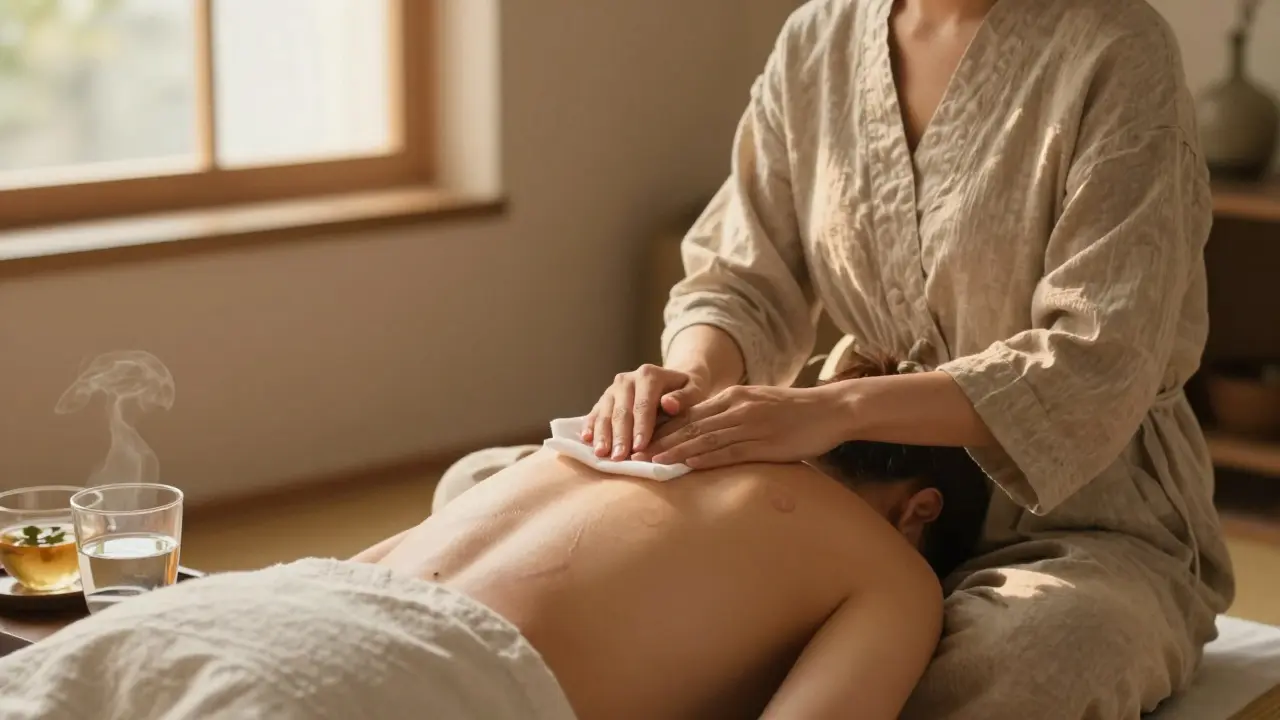
After cupping, your body is in a state of quiet recovery. You might feel relaxed, light, or even a little dizzy. That’s normal. But what you do-or don’t do-in the next few hours can make the difference between feeling amazing and ending up with soreness, fatigue, or worse. Too many people skip the aftercare and wonder why they feel worse instead of better. Let’s cut through the noise and tell you exactly what not to do after cupping.
Don’t Shower Immediately
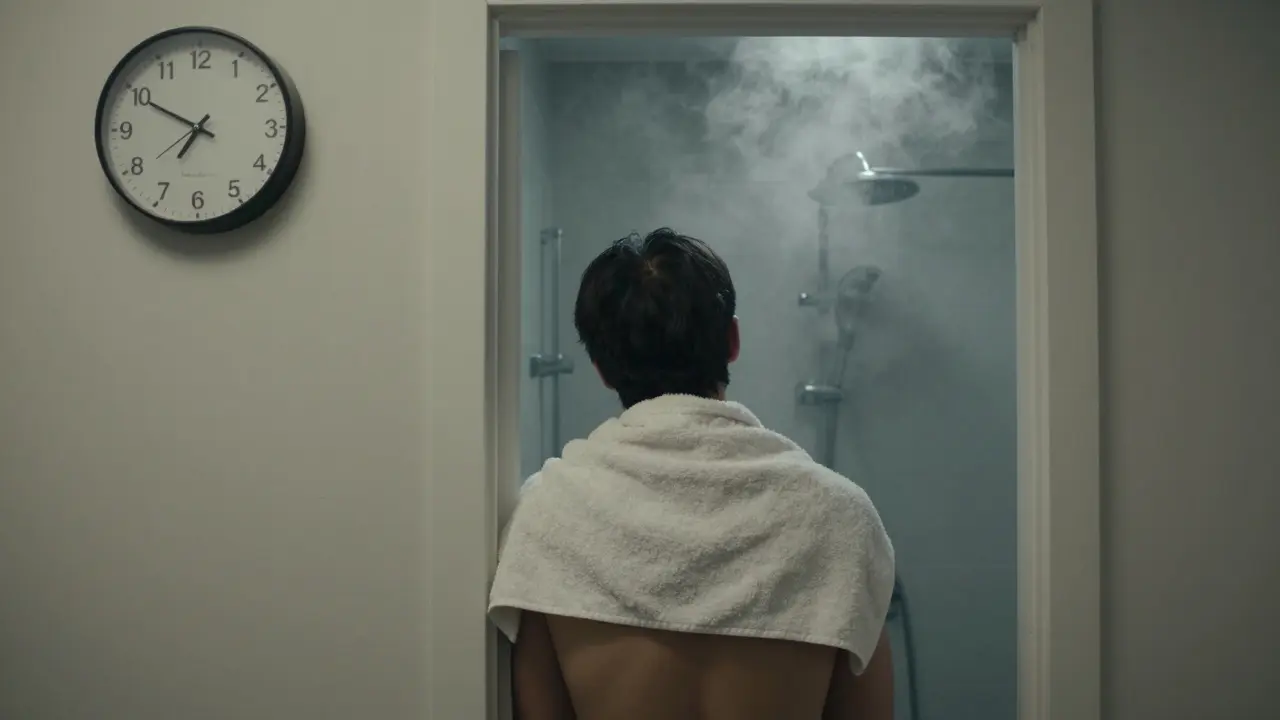
Waiting at least 4-6 hours before showering isn’t just a suggestion-it’s a rule. Cupping opens your skin’s pores and increases blood flow to the surface. Jumping into a hot shower right after pulls heat and moisture away too fast, trapping toxins and triggering muscle stiffness. Cold showers? Even worse. They cause your blood vessels to constrict, undoing the circulation work the cups just did. If you must clean up, use a damp cloth to gently wipe sweat off. Save the full shower for later.
Avoid Extreme Temperatures
Hot saunas, steam rooms, and ice baths are off-limits for at least 24 hours after cupping. Your body is already working hard to heal and detox. Adding extreme heat or cold overloads your system. Think of it like running a marathon and then immediately jumping into a snowbank. You’re not helping your recovery-you’re confusing it. Same goes for sitting in direct sunlight or going out in freezing wind without covering the cupped areas. Your skin is sensitive. Protect it like you would a fresh sunburn.
Don’t Exercise Hard
That urge to hit the gym after feeling so relaxed? Resist it. Intense workouts-weightlifting, HIIT, long runs-put stress on muscles that are still releasing tension and toxins. You might feel fine, but your circulation and lymphatic system are still processing what the cups pulled out. Light walking is fine. Gentle stretching? Yes. But don’t push your body into high-intensity mode for at least 24 hours. If you’re an athlete, even light training should wait. One client in Dubai, a triathlete, ignored this and did a 10K run the same day. He ended up with bruising that lasted three weeks instead of five days.
Avoid Alcohol and Caffeine
Alcohol dehydrates you and interferes with your liver’s ability to process toxins released during cupping. Caffeine? It’s a stimulant that spikes your nervous system just when your body needs to calm down. Both can make you feel jittery, nauseous, or more fatigued than before. Stick to water, herbal teas like chamomile or ginger, or coconut water. Hydration is your best friend after cupping. You’re not just sweating out toxins-you’re flushing them. Skip the wine, skip the espresso, and drink more water.
Don’t Skip the Warmth
Your body needs to stay warm after cupping. Cold air, air conditioning, and drafts can cause your muscles to tighten up again. That’s the opposite of what cupping is trying to fix. If you’re in Dubai and the AC is blasting in your car or office, cover the cupped areas with a light scarf or long-sleeved shirt. Don’t let your skin get chilled. Many people don’t realize that cupping works best when your body stays warm and relaxed. Cold = contraction. Warmth = release.
Avoid Heavy, Greasy, or Processed Foods
Your digestive system is part of your detox pathway. After cupping, your body is already working hard to clear out metabolic waste. Eating fried food, fast food, or sugary snacks adds more work. Your liver doesn’t need to process butter-laden burgers or artificial additives right now. Instead, go for light, clean meals: steamed veggies, bone broth, grilled fish, brown rice, or fruit. Think of it as giving your body a gentle reset. A friend in Deira started eating shawarma right after her session and felt bloated and sluggish for two days. She switched to a simple salad and water-and felt better by morning.
Don’t Ignore the Marks
The circular bruises you see aren’t injuries-they’re signs of stagnation being pulled out. But that doesn’t mean you should rub them, scratch them, or try to “speed up” fading with creams or oils. Let them fade naturally. Most fade in 3-7 days. If you’re tempted to cover them with makeup or tight clothing, don’t. Tight fabrics can irritate the skin and slow healing. Let the skin breathe. If you notice swelling, pain, or red streaks spreading, that’s not normal. That’s a sign of infection or over-treatment. See a professional.
Don’t Schedule Another Session Too Soon
Some clinics push weekly sessions. That’s not always right. Your body needs time to process what was released. For most people, waiting 5-7 days between sessions is ideal. If you’re dealing with chronic pain or deep muscle tension, your practitioner might recommend 10-14 days. Going too often can overload your system, lead to bruising that won’t fade, or even cause fatigue and dizziness. Think of cupping like a deep massage-it’s not a weekly manicure. It’s a reset button. Give your body time to respond.

Don’t Skip Rest
You just had a physical detox. Your body isn’t asking for more meetings, scrolling, or late-night Netflix. It’s asking for quiet. Rest doesn’t mean lying on the couch scrolling through your phone. It means dimming the lights, turning off notifications, and letting your nervous system settle. Even 20 minutes of quiet breathing can make a big difference. In traditional Chinese medicine, this is called “nourishing the qi.” In modern terms? It’s letting your parasympathetic nervous system take over. That’s when healing happens.
What You Should Do Instead
While you’re avoiding all this, here’s what to actually do:
- Drink plenty of water-aim for 2-3 liters over the next 24 hours.
- Keep cupped areas covered with loose, breathable clothing.
- Get extra sleep or take a short nap if you can.
- Apply gentle heat with a warm (not hot) towel if muscles feel tight.
- Listen to your body. If you feel tired, rest. If you feel energized, take a slow walk.
When to Call a Professional
Most side effects are mild and temporary. But if you experience any of these, seek help:
- Severe pain that doesn’t fade after 24 hours
- Red streaks radiating from the cupped area
- Fever, chills, or dizziness that lasts more than a day
- Open sores or blisters that form after the session
These aren’t normal. They could mean infection, over-treatment, or an allergic reaction to the cups or oils used. Don’t wait it out. See your practitioner or a doctor.
Final Thought: Cupping Is a Tool, Not a Cure
Cupping isn’t magic. It’s a physical therapy tool that helps move stagnation, reduce tension, and improve circulation. But it only works if you respect your body’s recovery window. Skip the shower, skip the gym, skip the alcohol, and give yourself space to heal. The results you get afterward-less pain, better sleep, more energy-depend more on what you do after than what happens during the session.
Do this right, and you’ll feel the difference. Do it wrong, and you’ll wonder why cupping didn’t work for you. It’s not the cups. It’s the aftercare.
Can I exercise the day after cupping?
Light activity like walking or gentle yoga is fine the next day. Avoid intense workouts like running, lifting weights, or HIIT for at least 24-48 hours. Your muscles are still releasing tension and toxins. Pushing too hard can cause soreness or delay healing.
Why do I feel dizzy after cupping?
Dizziness is common and usually caused by a sudden shift in circulation or low blood sugar. Cupping draws blood to the surface, which can temporarily lower pressure in your core. Drink water, sit down, and rest. If it lasts more than an hour or comes with nausea, talk to your practitioner.
How long do cupping marks last?
Typically, cupping marks fade in 3 to 7 days. Darker marks mean more stagnation was pulled out. They’re not bruises in the injury sense-they’re signs of toxins being released. Don’t pick or scrub them. Let them fade naturally.
Can I use lotion or oil on cupped areas?
Wait at least 24 hours before applying any lotions, oils, or creams. Your skin is porous and sensitive right after. Products can clog pores or cause irritation. If your practitioner recommends a specific oil, follow their instructions-but only after the waiting period.
Is it safe to get cupping if I’m on blood thinners?
It’s not recommended without approval from your doctor. Cupping increases blood flow to the skin, which can lead to excessive bruising or bleeding if you’re on anticoagulants like warfarin or aspirin. Always tell your practitioner about any medications you’re taking before your session.
Should I avoid caffeine before cupping too?
Yes. Caffeine tightens blood vessels and can reduce the effectiveness of cupping. Avoid coffee, energy drinks, or strong tea for at least 4 hours before your session. Being relaxed and hydrated helps the cups work better.
Can children or pregnant women get cupping?
Children under 12 should not get cupping without a pediatric specialist’s approval. Pregnant women can receive light cupping in certain areas (like the back or shoulders), but never on the abdomen or lower back. Always inform your practitioner if you’re pregnant or nursing.







December 2, 2025 AT 20:19
Let me just say this-IF you shower right after cupping, you’re basically asking your lymphatic system to commit suicide. I’ve seen people do it, and then they wonder why they feel like a deflated balloon. NO. Just. NO. Cold showers? Even worse. You’re not a robot; your body doesn’t need to be shocked into compliance. And don’t even get me started on people who slap on coconut oil like it’s a magic potion. It’s not. It’s pore-clogging nonsense. Wait 24 hours. Or don’t. But then don’t come crying to me when your skin looks like a crime scene.