
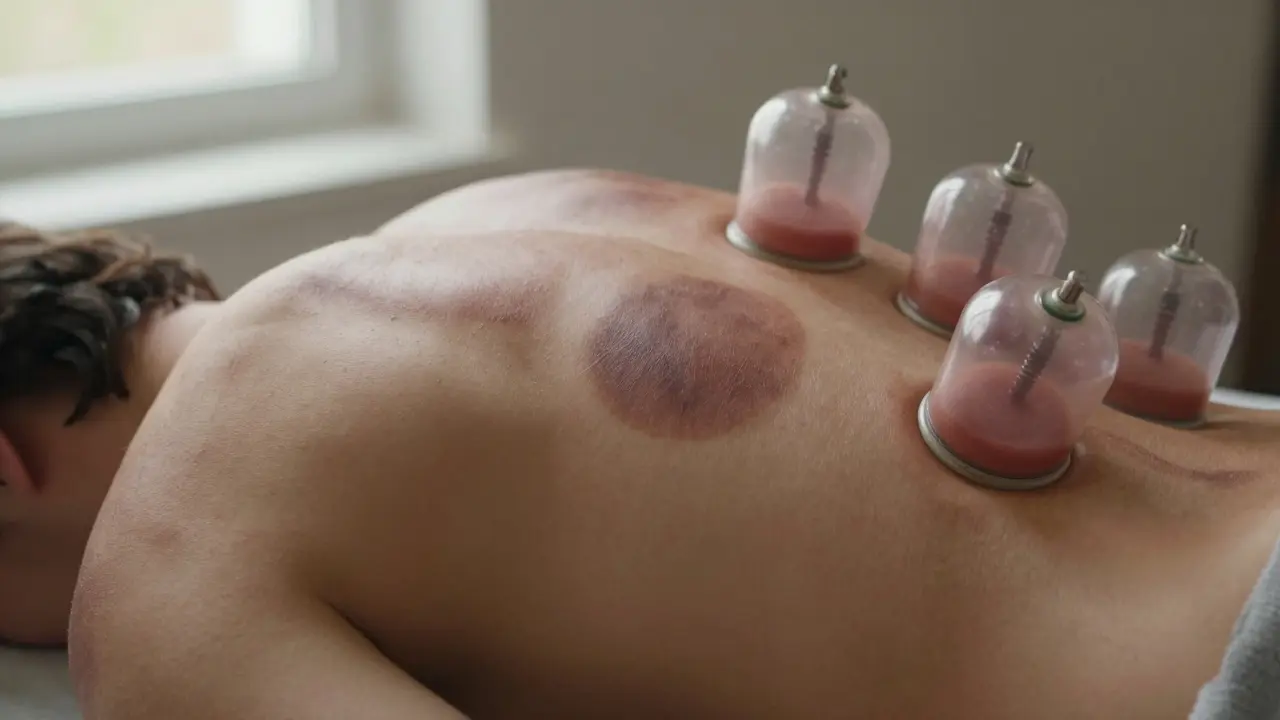
You’ve seen it on Instagram: athletes with circular bruises on their backs, smiling like they just won a gold medal. Cupping therapy looks like magic-dark circles, instant relief, zero pills. But here’s the thing you won’t hear in those glossy posts: cupping therapy isn’t harmless. It’s ancient, it’s popular, and yes, it feels good for some. But it also comes with real, documented downsides that most practitioners won’t tell you upfront.
Key Takeaways
- Cupping can cause lasting bruises, burns, or skin infections if done improperly
- It’s not regulated in most places-practitioners may have zero medical training
- People with bleeding disorders, pregnant women, or those on blood thinners should avoid it
- Many claim it helps pain, but high-quality studies show little to no benefit beyond placebo
- It can delay real medical treatment for serious conditions like nerve damage or infections
The Quick Answer
Cupping therapy has several disadvantages: it can cause bruising, burns, infections, and scarring. It’s not scientifically proven to treat medical conditions, and untrained practitioners in unregulated settings increase the risk. For people with certain health conditions, it can be dangerous. While some feel temporary relief, the benefits are mostly anecdotal-and the risks are real.
What Cupping Therapy Actually Is (And Why People Think It Works)
Cupping therapy involves placing special cups-usually glass or silicone-on your skin and creating suction. The idea? That pulling your skin upward increases blood flow, releases toxins, and relaxes tight muscles. You’ll often see it done on the back, shoulders, or legs. After a session, you’re left with circular marks that look like bruises. Many people mistake these for proof it’s working.
In traditional Chinese medicine, cupping is said to balance qi (energy flow). In modern wellness circles, it’s marketed as a detox, recovery tool, or pain reliever. Athletes like Michael Phelps and Gigi Hadid have been photographed with cupping marks, making it look cool and effective. But here’s the gap: what feels good isn’t always what helps.
Think of it like a deep tissue massage that leaves behind a visual souvenir. The suction pulls capillaries toward the surface, causing tiny blood vessels to burst. That’s the bruise. It’s not removing toxins-it’s just causing controlled trauma to the skin. And your body heals trauma by increasing blood flow. That’s why you might feel looser afterward. But that’s not treatment. That’s just inflammation responding to injury.
The Most Common Disadvantages of Cupping Therapy
1. Bruising That Lasts for Weeks
Those dark circles aren’t just cosmetic-they’re actual capillary damage. In fair skin, they can look like a crime scene. In darker skin, they may appear as dark patches that fade slowly. Most people expect them to disappear in a few days. But in reality, they can linger for two to three weeks. If you’re in a job where you’re visible-teaching, customer service, or even just going to the gym-you’ll get questions. And stares. And awkward comments.
2. Skin Burns and Blisters
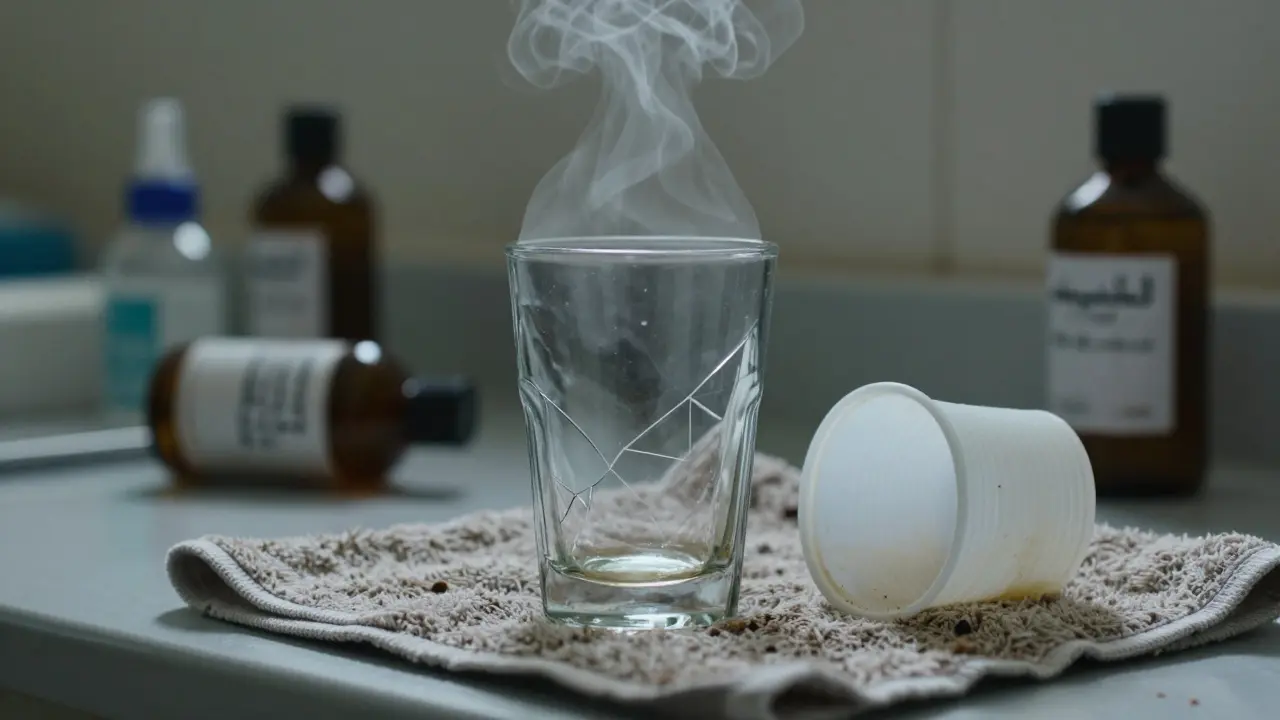
When cups are heated to create suction (the traditional fire method), things go wrong fast. If the flame lingers too long, the cup gets too hot. The skin underneath doesn’t have time to react. Result? First- or second-degree burns. I’ve seen cases in Dubai clinics where clients came in with blisters after a “relaxing” session. One woman had a blister the size of a quarter on her shoulder. She needed antibiotics.
Even silicone cups can cause burns if left on too long or if the suction is too strong. There’s no universal safety standard. One practitioner might leave cups on for 5 minutes. Another might leave them for 20. Neither is necessarily wrong-but one is way riskier.
3. Infections and Bloodborne Risks
Wet cupping-where the skin is pierced before suction-is especially dangerous. It involves making tiny cuts, then drawing blood out with the cups. Sounds like something from a horror movie, right? But it’s still practiced in some parts of the Middle East and Asia.
Here’s the problem: if the practitioner doesn’t sterilize tools or reuse cups, you’re at risk for hepatitis B, hepatitis C, or even HIV. There was a documented outbreak in Iran in 2018 linked to unsterilized cupping equipment. No one talked about it publicly. But clinics in Dubai and Abu Dhabi have been shut down for using the same cups on multiple clients without disinfection.
Even dry cupping isn’t safe if the skin is broken or if the cups aren’t cleaned properly. Fungal infections, staph, and MRSA have been reported after cupping sessions.
4. It’s Not Regulated-Anyone Can Do It
In the UAE, cupping isn’t a licensed medical procedure. You don’t need a medical degree, nursing license, or even a certificate to offer it. Many spas, wellness centers, and even beauty salons now offer cupping as an add-on. Some practitioners learned it from a YouTube video. Others learned from a cousin who learned from a friend in Turkey.
There’s no governing body checking their training, hygiene, or knowledge of contraindications. That means someone with no medical background might cup someone with high blood pressure, a pacemaker, or a blood clot-and not even know they’re putting them at risk.
5. It Can Mask or Delay Real Medical Problems
Let’s say you have chronic lower back pain. You try cupping. It feels better for a few days. You think, “It worked!” So you keep going. But what if that pain is from a herniated disc? Or spinal stenosis? Or even a tumor? Cupping doesn’t fix those. It just makes you feel temporarily better while the real issue gets worse.
A 2022 case study in the Journal of Emergency Medicine described a patient who delayed seeing a doctor for three months because she thought cupping was helping her abdominal pain. She turned out to have ovarian cancer. The cupping didn’t cause the cancer. But it made her ignore the warning signs.
6. No Proven Medical Benefit Beyond Placebo
Let’s cut through the hype. A 2021 Cochrane Review-a gold standard in medical research-analyzed 164 studies on cupping for pain, arthritis, and other conditions. Their conclusion? There’s low to very low-quality evidence that cupping provides any meaningful benefit over a placebo.
That means: if you feel better after cupping, it’s likely because you believed it would help. Your brain released endorphins. You felt cared for. You took time off. Those are real benefits. But they’re not caused by the cups. They’re caused by your expectation and the relaxation response.
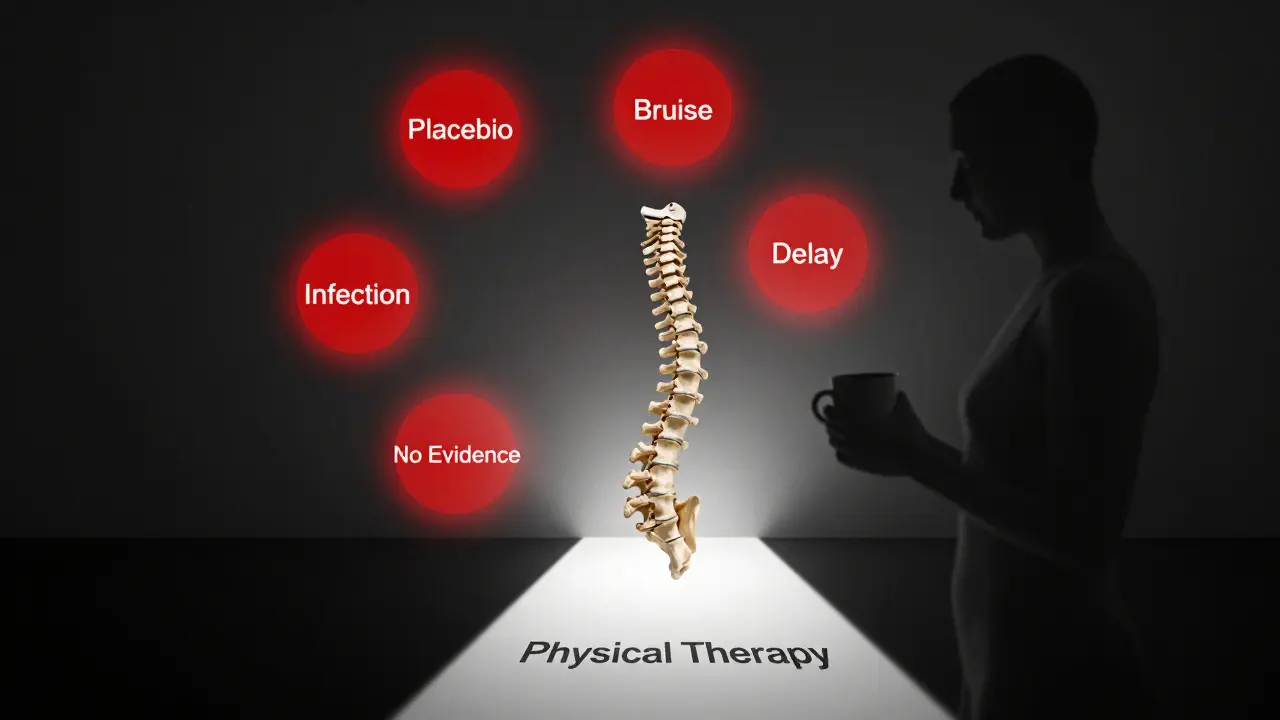
Compare that to physical therapy, which has high-quality evidence for treating back pain. Or acupuncture, which has moderate evidence for certain types of chronic pain. Cupping? It’s on the bottom of the pile.
Who Should Absolutely Avoid Cupping Therapy?
- People on blood thinners (warfarin, aspirin, Eliquis): Higher risk of excessive bruising and internal bleeding
- Pregnant women: Especially on the abdomen and lower back-can trigger contractions
- People with bleeding disorders (hemophilia, von Willebrand disease): Even light suction can cause dangerous bleeding
- Those with skin conditions (eczema, psoriasis, open wounds): Cupping can worsen inflammation or spread infection
- Cancer patients: Especially if they have low platelets or are undergoing chemo
- Children and elderly people: Thinner skin, slower healing, higher risk of complications
Cupping vs. Massage Therapy: What’s Actually Safer?
| Feature | Cupping Therapy | Massage Therapy |
|---|---|---|
| Scientific backing for pain relief | Very low quality evidence | Strong evidence for muscle tension and chronic pain |
| Risk of bruising | Very high-common and expected | Low-rare unless deep tissue is overdone |
| Risk of infection | Medium to high (especially with wet cupping) | Very low (if tools are cleaned) |
| Regulation in UAE | None-anyone can offer it | Regulated-practitioners need certification |
| Duration of side effects | Days to weeks | Hours to 1-2 days |
| Best for | People seeking ritual or placebo effect | People wanting real muscle recovery |
Frequently Asked Questions
Can cupping therapy cause permanent scarring?
Yes. Repeated cupping, especially with high suction or on sensitive skin, can lead to permanent discoloration or keloid scars. People with darker skin tones are more prone to hyperpigmentation after trauma. One study in the Journal of the European Academy of Dermatology documented scarring in 12% of regular cupping users after just six sessions.
Is cupping safe if I don’t have any health problems?
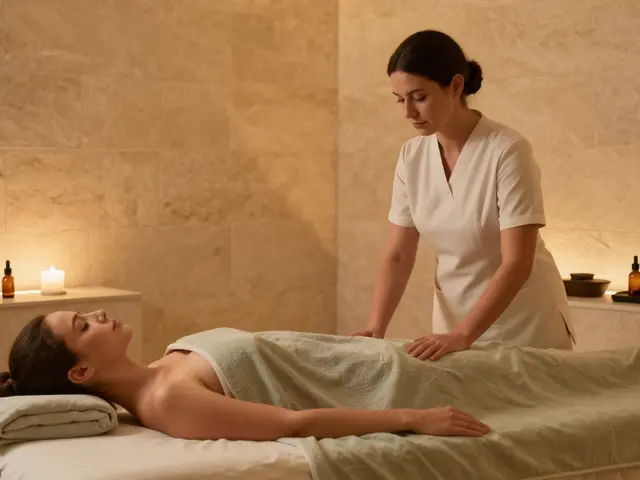
Even if you’re healthy, cupping carries risks. Bruising is guaranteed. Infection is possible. And if you’re seeing an untrained provider, you’re gambling with your skin and possibly your health. There’s no medical reason to do it. If you want relaxation, try a licensed massage therapist instead.
Does cupping really detox your body?
No. Your liver and kidneys detox your body. Cupping doesn’t remove toxins. The dark fluid in wet cupping is just blood and interstitial fluid. It’s not “sludge” or “poisons.” That’s marketing language used to sell the procedure. There’s zero scientific evidence that cupping removes toxins.
Why do some people swear by cupping if it doesn’t work?
Because the placebo effect is powerful. When you believe something will help, your brain releases pain-relieving chemicals. Add in the ritual, the attention, the quiet time, and the warmth-it’s a full sensory experience. That feels good. But feeling good isn’t the same as getting better. That’s why athletes use it: it makes them feel recovered, even if their muscles aren’t healing faster.
What should I do if I get an infection after cupping?
Go to a doctor immediately. Don’t wait. Signs of infection include redness spreading beyond the cup mark, warmth, pus, fever, or increasing pain. If you had wet cupping and the area was pierced, this is urgent. Infections from cupping can turn into abscesses or sepsis if ignored.
Final Thoughts
Cupping therapy isn’t evil. It’s not a scam. But it’s not medicine either. It’s a ritual with real physical risks and no proven medical payoff. If you want to feel relaxed, get a massage. If you want to recover from injury, see a physiotherapist. If you want to try something new, go for acupuncture-there’s at least some science behind it.
Don’t let Instagram make you think you need cupping. Your skin doesn’t need suction. Your body doesn’t need detoxing. And you don’t need to walk around with bruises that look like someone attacked you with a wine glass.
Be curious. Be cautious. And if someone tells you cupping is safe because “it’s natural,” remember: poison ivy is natural too.






January 18, 2026 AT 14:04
Cupping leaves bruises that look like someone attacked you with a wine glass? That’s the most accurate description I’ve ever read. No more excuses for my gym selfies.