
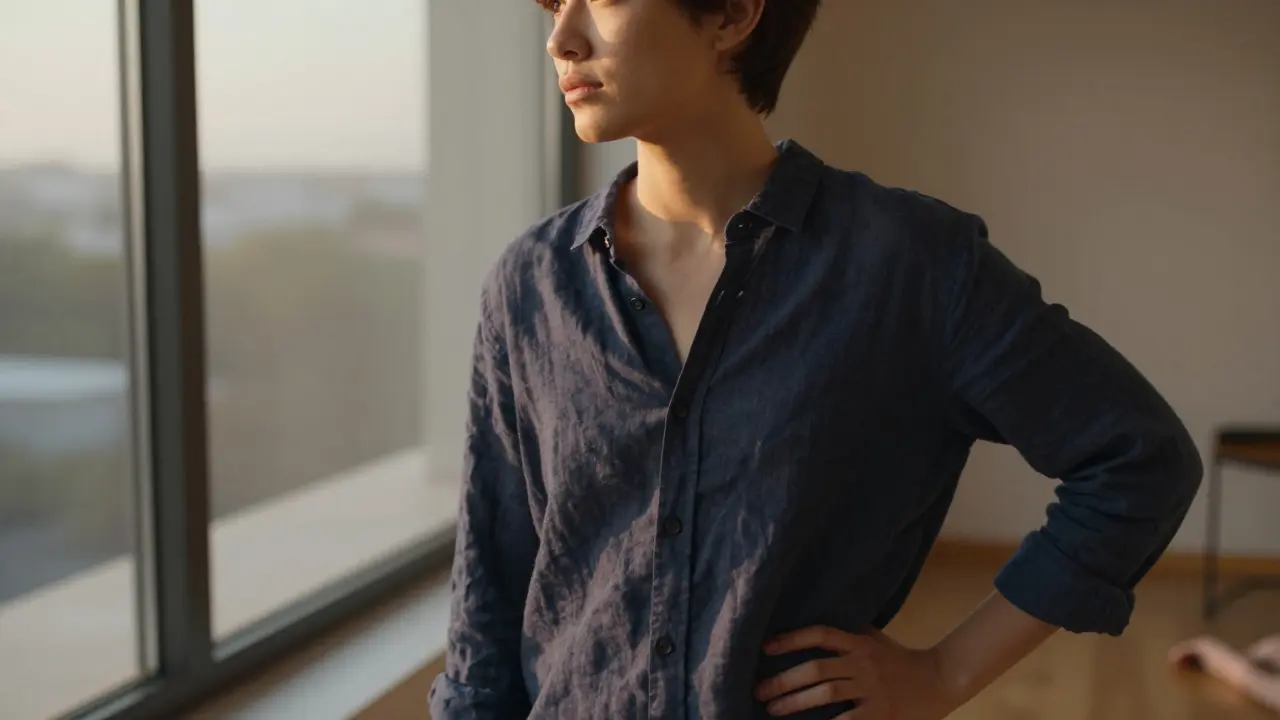
You’ve seen those photos-models standing effortlessly in designer clothes, looking like they were born under studio lights. You think, How do they make it look so easy? The truth? They didn’t. Not at first. Most models spent months-sometimes years-learning how to move, breathe, and hold a look that feels natural. And you can too. No expensive agency, no runway experience needed. Just a few real, practical tricks that turn awkward snapshots into standout images.
Stop Thinking, Start Feeling
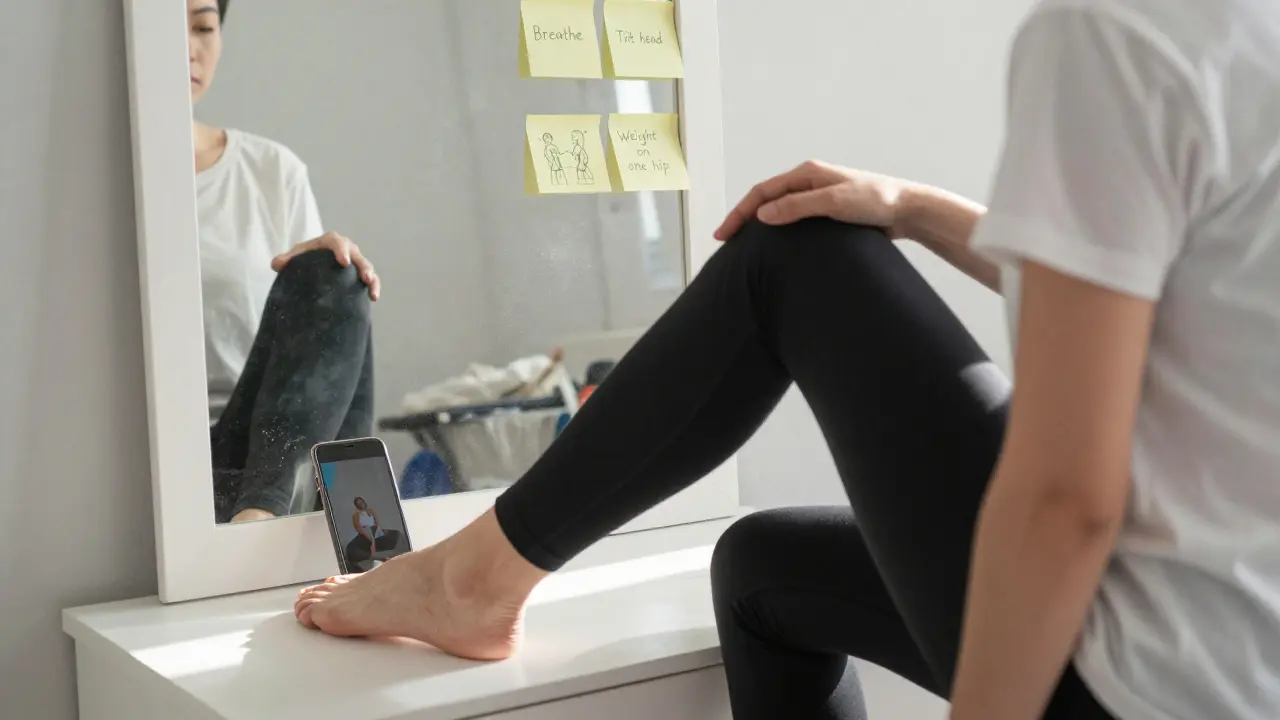
The biggest mistake beginners make? Trying to look like a model instead of being one. You’re not a statue. You’re not a mannequin. You’re a person with muscles, breath, and movement. The moment you stop forcing a pose and start feeling the energy of the shot, everything changes. Try this: Stand in front of a mirror. Don’t pose. Just breathe. Inhale slowly. Let your shoulders drop. Exhale. Now, without thinking, tilt your head just a little to the side. Smile-not the camera smile, the one you give your best friend when they say something funny. That’s it. That’s the look. Real. Unforced. Human. Photographers don’t want perfection. They want presence. They want someone who owns the space, even if they’re standing still.Body Language Is Your Secret Weapon
Your body says more than your face ever could. Here’s how to use it:- Weight on one hip-It creates a natural curve in your spine. No more stiff standing like a soldier.
- Turn your shoulders slightly-Even if you’re facing the camera, angle your torso 15-30 degrees. It slims your frame and adds depth.
- Keep your neck long-Imagine a string pulling the top of your head toward the ceiling. No chin jut, no hunched shoulders.
- Use your hands-Don’t let them hang like dead fish. Rest them on your hips, gently hold your arm, or let them brush your hair. Even touching your own collarbone works.
Lighting Is Everything (And It’s Not Rocket Science)
You don’t need a $10,000 lighting kit. Natural light is your best friend. The golden hours-just after sunrise or before sunset-are magic. Soft, warm, forgiving. That’s why so many model shots look like they’re glowing. If you’re shooting indoors, sit near a window. Not in front of it-beside it. Let the light kiss your face from the side. That creates shadows that define your cheekbones, your jawline, your collarbones. No harsh overhead lights. No fluorescent glare. Just gentle, directional light that sculpts your features. And if you’re shooting on your phone? Turn off the flash. Always. It flattens everything. Use natural light or a cheap ring light (under $30) placed slightly above eye level. It mimics studio lighting without the cost.Facial Expressions: Less Is More
You don’t need to smile wide. You don’t need to pout. You don’t need to look angry or sultry unless the shoot calls for it. Try this: Relax your face. Let your lips part slightly. Breathe out through your mouth. Let your eyebrows soften. That’s the neutral, confident look most high-end brands use. It’s calm. It’s powerful. It’s timeless. Think of it like this: Your face is a canvas. The photographer is the artist. Your job isn’t to perform-it’s to be still enough for them to paint.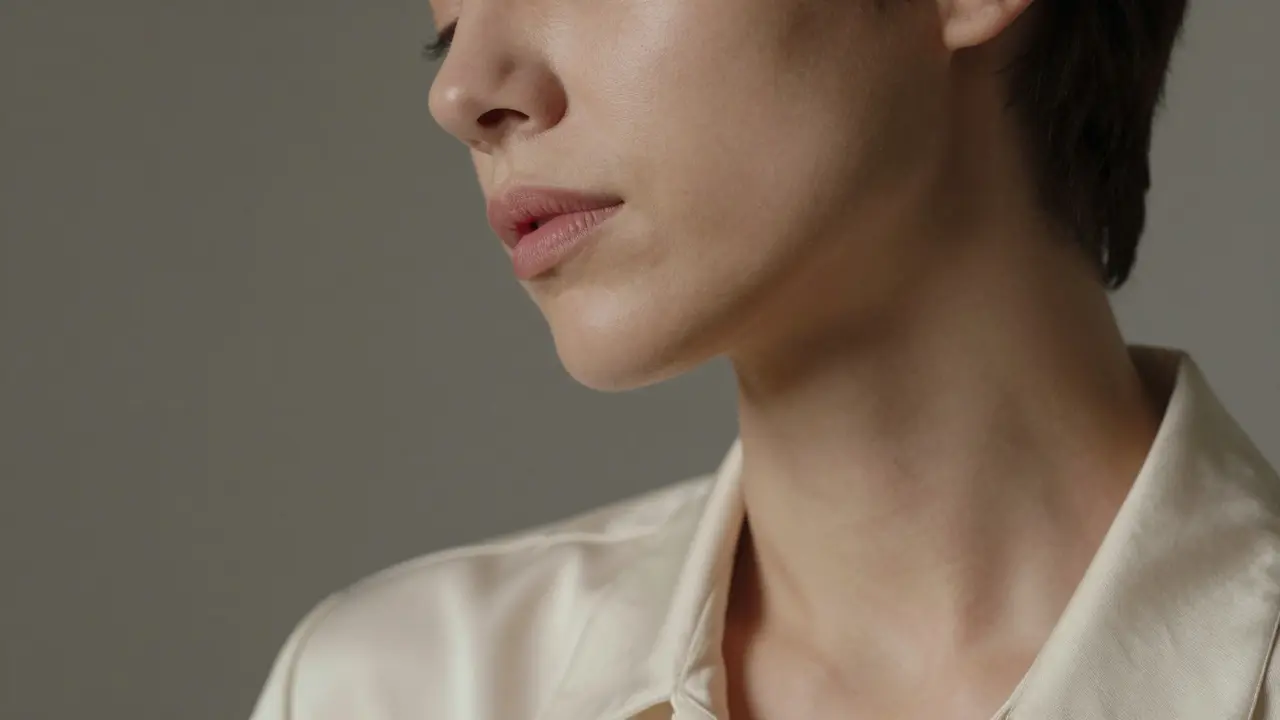
Practice Makes Permanent
You wouldn’t expect to play guitar after one lesson. Why expect to model after one photo session? Set up a daily 5-minute practice. Stand in front of a mirror or use your phone’s selfie camera. Try these 3 poses:- One hand on hip, other arm relaxed, head tilted.
- Looking over your shoulder, body turned away, chin slightly lifted.
- Sitting on a chair, one leg crossed, hands resting on your thighs.
What to Wear (And What to Avoid)
Clothes matter, but not in the way you think. It’s not about brands. It’s about fit and texture.- Go for simple-Solid colors. Clean lines. No busy patterns. Black, white, navy, cream-they all photograph well.
- Fit is king-Too tight? It distorts. Too loose? You disappear. Clothes should hug your shape without squeezing.
- Texture adds depth-Knits, silk, linen, leather. These catch light differently than cotton. They make your photos feel richer.
- Avoid logos and slogans-They distract. They date the photo. They make it look like an ad, not art.
Working With a Photographer
If you’re shooting with someone else, here’s what to do:- Ask them what vibe they’re going for-edgy? soft? editorial?-before you start.
- Don’t be afraid to say, “Can we try that again?”
- Watch how they move. If they’re crouching low, you might need to lower your chin. If they’re stepping back, you might need to open your stance.
- Trust them. But also trust yourself. If a pose feels wrong, say so.
Comparison: Model Photos vs. Regular Selfies
| Feature | Model Photos | Regular Selfies |
|---|---|---|
| Lighting | Directional, soft, natural or studio | Overhead, harsh, flash often used |
| Pose | Asymmetrical, weight shifted, natural curves | Symmetrical, stiff, arms out for framing |
| Expression | Neutral, subtle, contemplative | Big smile, teeth showing, eyes squinting |
| Background | Simple, blurred, intentional | Cluttered, distracting, personal space |
| Focus | On emotion, mood, silhouette | On the face, often zoomed in |
Frequently Asked Questions
Do I need to be tall or skinny to model in photos?
No. Modeling today isn’t about fitting a single mold. Brands want authenticity. A person with strong posture, confidence, and a unique look can look incredible in photos regardless of height or size. Think of it this way: It’s not about your body-it’s about how you carry yourself.
What if I feel awkward in front of the camera?
You’re not alone. Everyone feels that way at first. The trick? Practice in private. Take 10 selfies a day for a week. Don’t delete them. Look at them. You’ll start to notice what works. Over time, the camera stops feeling like a threat. It becomes a tool.
Can I use my phone to take good model photos?
Absolutely. Modern phones have incredible cameras. The key is lighting and composition. Use natural light, avoid the flash, and shoot from slightly above eye level. Keep the background simple. Edit lightly-just brightness and contrast. You don’t need a pro camera to look like a model.
How do I find photographers to work with?
Start local. Look for photography students, emerging artists, or creatives on Instagram using hashtags like #DubaiPhotographer or #ModelingPortfolio. Offer a TFP (Time for Print) arrangement-you give your time, they give you photos. It’s how most models start.
Should I edit my photos after the shoot?
A little, yes. Adjust brightness, contrast, and crop if needed. But don’t reshape your body, whiten your teeth, or smooth your skin into plastic. Authenticity sells. A slight blemish, a real shadow, a natural freckle-they make you memorable. People connect with real, not perfect.




December 3, 2025 AT 13:25
This is actually so refreshing to read. I used to hate taking photos because I felt so awkward, but I tried the breathing trick last weekend and honestly? My selfies went from cringe to kinda cute. No filter, no posing-just me breathing and tilting my head like you said. My friend even asked if I hired a photographer. I just smiled and said, 'Nah, I just stopped trying to be perfect.'
Thank you for this. I feel seen.