Cupping Recovery Tips: What Actually Works After a Session
When you get cupping therapy, a traditional technique that uses glass or silicone cups to create suction on the skin, often used for muscle relief and circulation. Also known as cupping, it's become popular in Dubai spas for its deep-tissue benefits—but what happens after matters just as much as the session itself. Many people feel immediate relief, but others experience soreness, bruising, or fatigue. That’s not a sign it didn’t work—it’s just your body adjusting. The key to real recovery isn’t rest alone, it’s smart, simple actions you take right after the cups come off.
Hydration, the process of replacing fluids lost during bodywork is the #1 thing you need. Cupping pulls fluid to the surface and can leave you slightly dehydrated. Drink at least two glasses of water within an hour after your session. Skip the coffee or alcohol—they pull water out of your cells. If you feel dizzy or tired later, it’s probably not the cupping—it’s dehydration. Cupping side effects, like temporary red marks or mild bruising are normal, but if you feel sharp pain or swelling, that’s not typical. Those marks fade in 3–7 days. Don’t scratch them. Don’t cover them with tight clothing. Let your skin breathe.
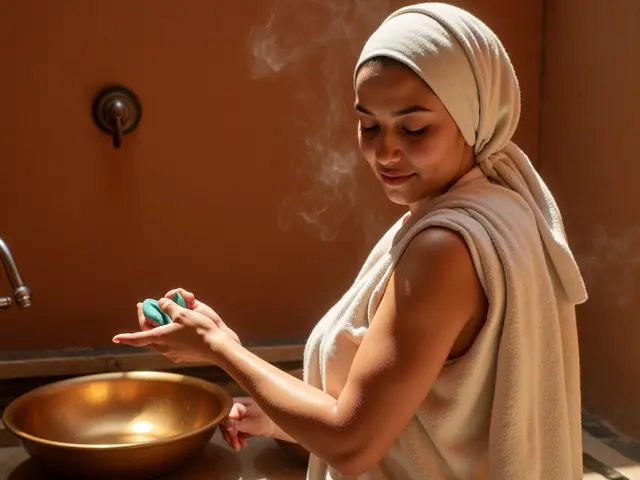
Move gently. Don’t go straight to the gym or do heavy lifting. Light walking, stretching, or a slow yoga flow helps circulation without stressing your muscles. Heat helps too—take a warm (not hot) shower. Avoid ice packs unless you’re dealing with acute injury. If you’re using cupping for chronic pain, consistency beats intensity. One session won’t fix years of tension. But doing it every 2–3 weeks, with good recovery habits, makes a real difference. People in Dubai often combine cupping with massage therapy, a hands-on treatment that manipulates soft tissue to reduce tension and improve mobility or hammam, a traditional steam bath that opens pores and aids detox. That’s fine—but space them out. Don’t do two intense bodywork sessions back-to-back. Your body needs time to process each one.
What you eat matters too. Skip processed snacks. Go for protein, leafy greens, and foods with natural anti-inflammatories—like ginger, turmeric, or berries. These help your body repair faster. Sleep is non-negotiable. If you feel unusually tired after cupping, don’t fight it. Your body is working hard. Take a nap. Skip the late-night scrolling. And if you’re new to this, track how you feel for 24 hours after each session. Note the marks, your energy, your sleep. You’ll start to see patterns. That’s how you learn what works for your body—not what a social media post says.
There’s no magic potion, no miracle cream, no secret supplement. Real cupping recovery tips are simple, boring, and effective: drink water, rest, move gently, eat clean, and listen to your body. The posts below show exactly what people in Dubai are doing after their sessions—what works, what doesn’t, and how to avoid common mistakes that leave you worse off than before. You’ll find real stories, real advice, and no fluff.
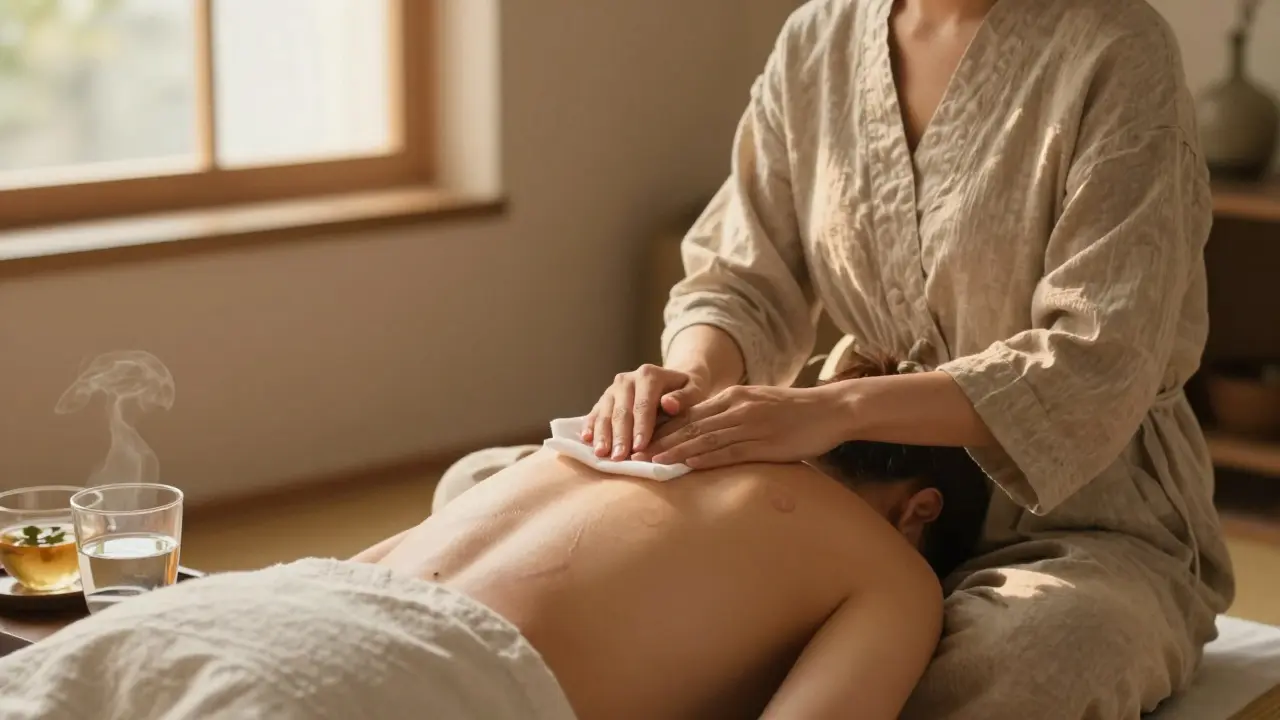
After cupping, your body needs time to heal. Learn what not to do-like showering too soon, exercising hard, or drinking alcohol-to avoid side effects and get the most out of your session.