
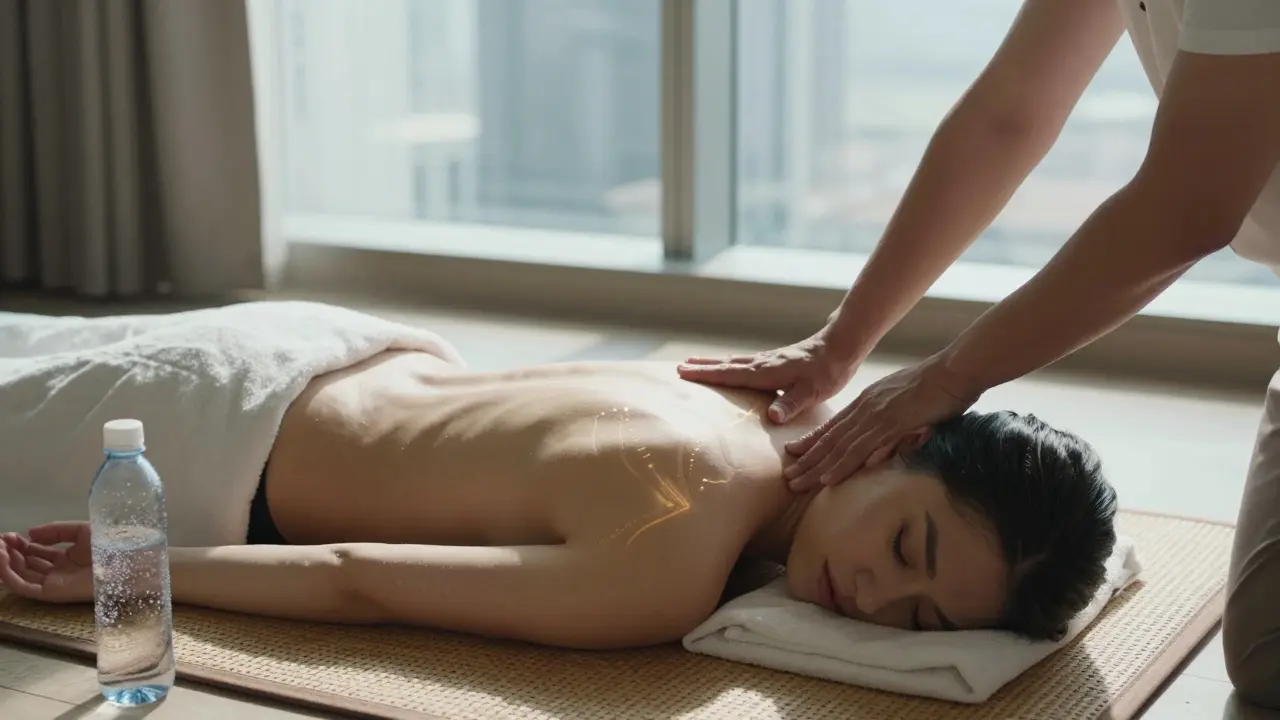
You just finished a Thai massage in Dubai - muscles melted, tension gone… and then, out of nowhere, you feel dizzy, nauseous, or even a little flu-like. You’re not alone. Many people in Dubai report feeling sick after a Thai massage, and it’s not because something went wrong. In fact, it’s often a sign that your body is responding exactly as it should.
Quick Takeaways
- Feeling sick after a Thai massage is common and usually temporary
- It’s often your body releasing toxins, adjusting to deep pressure, or reacting to energy flow
- Dehydration, tight muscles, or an overstimulated nervous system can make symptoms worse
- Drinking water, resting, and avoiding caffeine or alcohol helps
- If symptoms last more than 48 hours or include fever, see a doctor
Why Do You Feel Sick After a Thai Massage?
Thai massage isn’t just a relaxing rubdown. It’s a full-body intervention that combines deep stretching, acupressure, and energy line work - think of it as a physical reset button for your body. When your muscles are tight from sitting at a desk all day, commuting in Dubai’s heat, or sleeping awkwardly on a couch, they store tension, toxins, and even metabolic waste. A Thai massage forces those areas to release.
That release? It’s not always gentle. Your body suddenly has to process a flood of lactic acid, carbon dioxide, and other byproducts that were locked in your tissues. Your liver and kidneys are suddenly working overtime. Your nervous system, used to being in fight-or-flight mode, gets overwhelmed by the sudden shift into deep relaxation. That’s when nausea, headaches, or fatigue creep in.
Think of it like cleaning out a clogged drain. The water doesn’t just flow out cleanly - sometimes it gurgles, backs up, and makes a mess before it clears. Your body is doing the same thing.
What Happens During a Thai Massage?
Unlike Swedish or aromatherapy massages, Thai massage is done on a mat on the floor, fully clothed. The therapist uses their hands, elbows, knees, and feet to apply pressure along energy lines (called sen lines in Thai medicine). You’ll be stretched, twisted, and compressed in ways you didn’t expect - sometimes painfully so.
Here’s what’s going on under the hood:
- Deep tissue work: Muscles that haven’t moved in months are being pulled and pressed - releasing adhesions and knots.
- Joint mobilization: Your hips, spine, and shoulders are moved through full ranges of motion. If you’re stiff, this feels like a workout.
- Energy line stimulation: Thai massage follows ancient Thai meridian systems, similar to acupuncture channels. Stimulating these can trigger emotional or physical releases.
- Nervous system reset: The parasympathetic nervous system kicks in hard - which can drop your blood pressure suddenly, causing dizziness.
All of this is powerful. And power has side effects.
Common Symptoms After a Thai Massage in Dubai
If you feel any of these after your session, don’t panic - they’re normal:
- Mild nausea or vomiting
- Headache or dizziness
- Fatigue or sleepiness
- Muscle soreness (like after a tough workout)
- Emotional release (crying, laughing, feeling anxious)
- Increased urination or bowel movements
- Low-grade fever or chills
These symptoms usually peak within 2-6 hours and fade within 24-48 hours. If they last longer, it’s worth paying attention.
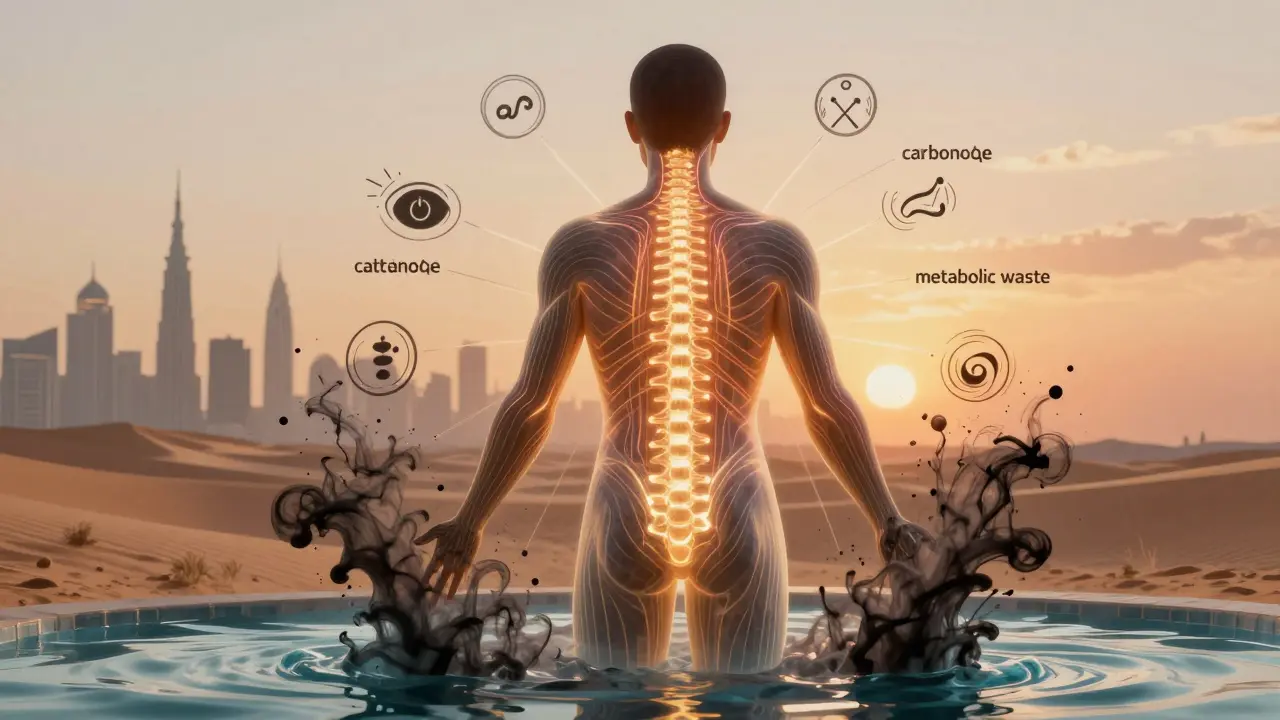
Why Is This More Common in Dubai?
Dubai’s environment makes post-massage reactions more likely:
- Dehydration: The desert heat and air-conditioned interiors constantly pull moisture from your body. Most people here are chronically dehydrated.
- Low physical activity: Many residents sit for hours in cars or offices, leading to extremely tight muscles that react violently to deep work.
- High stress levels: Fast-paced lifestyles, long commutes, and work pressures keep cortisol high - your body isn’t used to deep relaxation.
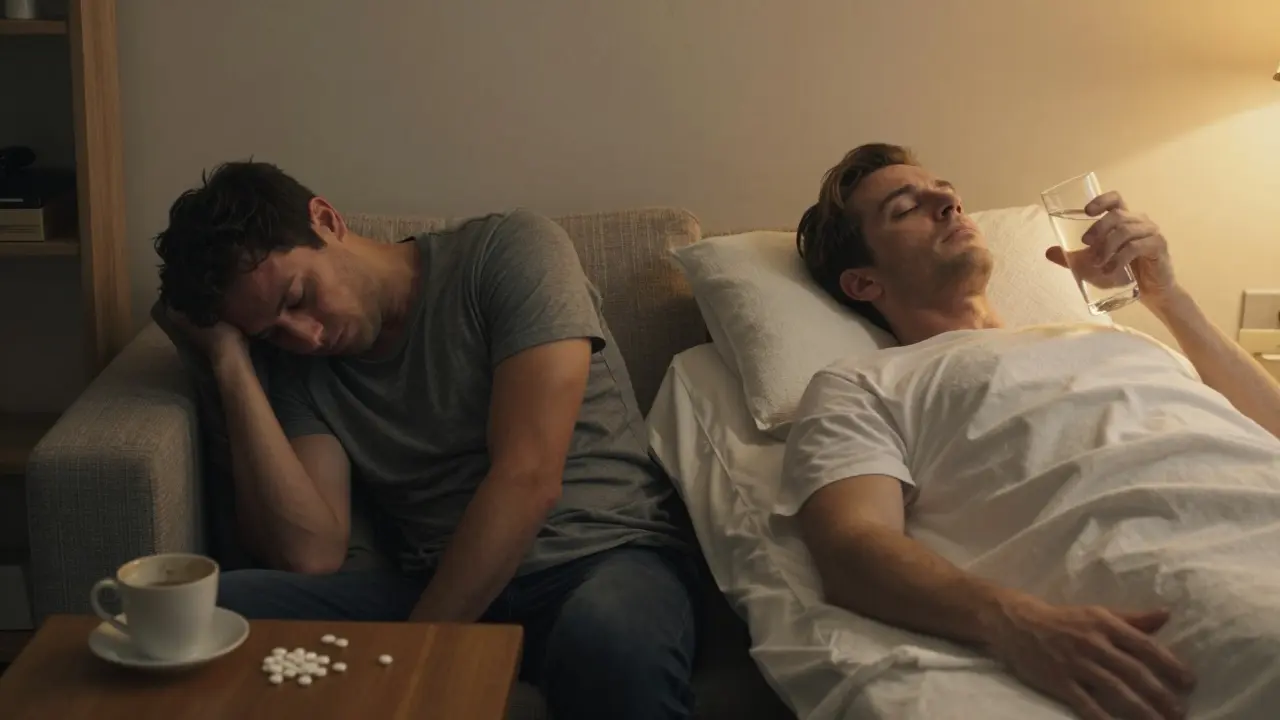
- Overuse of painkillers: Some people pop ibuprofen daily for back or neck pain. This masks symptoms, so when the massage hits, the body’s natural response is louder than usual.
Combine all that with a skilled therapist who doesn’t hold back - and you’ve got the perfect storm for a strong reaction.
How to Prevent or Reduce Post-Massage Sickness
Here’s what actually works - based on what thousands of clients in Dubai have tried:
- Hydrate before, during, and after: Drink at least 500ml of water 1-2 hours before your massage. Afterward, keep sipping water for the next 6-8 hours. Add a pinch of sea salt or electrolytes if you’re sweating a lot.
- Avoid caffeine and alcohol: These dehydrate you and interfere with your body’s natural detox process. Skip your post-massage coffee.
- Rest, don’t rush: Don’t jump into a car, head to the mall, or start working right after. Give yourself 30-60 minutes to chill. Lie down, listen to calming music, or just breathe.
- Take a warm (not hot) shower: Warm water helps flush out released toxins. Avoid cold showers - they can shock your system.
- Choose your therapist wisely: If you’re new to Thai massage, ask for a “gentle” or “introductory” session. Don’t assume “stronger” means “better.”
When to Worry: Red Flags After a Thai Massage
Most reactions are harmless. But if you experience any of these, seek medical help:
- Fever above 38°C (100.4°F)
- Severe, persistent vomiting or diarrhea
- Sharp, radiating pain in your back, neck, or limbs
- Difficulty breathing or chest tightness
- Numbness or tingling that doesn’t go away
- Dark urine or no urination for over 12 hours
These could signal rhabdomyolysis (muscle breakdown), kidney stress, or nerve damage - rare, but possible with aggressive techniques or underlying health conditions.
Thai Massage vs. Swedish Massage in Dubai
| Feature | Thai Massage | Swedish Massage |
|---|---|---|
| Setting | Floor mat, fully clothed | Table, unclothed (with draping) |
| Pressure | Deep, intense, sometimes uncomfortable | Light to medium, soothing |
| Technique | Stretching, acupressure, energy lines | Effleurage, kneading, tapping |
| Duration | 60-120 minutes | 60-90 minutes |
| Post-session effects | Common: nausea, fatigue, soreness | Common: relaxation, calm, slight drowsiness |
| Best for | Chronic stiffness, energy blockages, mobility issues | Stress relief, light tension, sleep improvement |
Frequently Asked Questions
Is it normal to feel sick after a Thai massage in Dubai?
Yes, it’s very common - especially if you’re dehydrated, sedentary, or new to deep bodywork. Your body is processing toxins and adjusting to deep physical stimulation. Most people feel better within 24 hours.
Can Thai massage cause kidney damage?
No, not when done properly. But if you’re severely dehydrated and your muscles break down under intense pressure (rhabdomyolysis), your kidneys can be overwhelmed by released proteins. That’s why hydration before and after is critical. If you’re on kidney medication, talk to your doctor first.
Should I skip Thai massage if I’m pregnant?
Avoid Thai massage during pregnancy unless you’re with a therapist who specializes in prenatal bodywork. The deep stretches and pressure points can trigger contractions or dizziness. Stick to prenatal Swedish or aromatherapy massages.
Why do I feel emotional after a Thai massage?
Thai massage works on energy lines that are linked to emotional memory. Releasing physical tension can unlock buried stress or trauma. Crying, laughing, or feeling suddenly anxious is not unusual - it’s part of the healing process.
How often should I get a Thai massage in Dubai?
If you’re active and hydrated, once every 2-4 weeks is ideal. If you’re new to it or feel sick after sessions, start with once a month. Let your body adjust. Don’t push for intensity - consistency matters more than frequency.
What to Do Next
If you’re still feeling off 48 hours after your massage, take it as a sign to slow down. Your body is telling you it needs more rest, more water, or less intensity next time. Don’t blame the therapist - blame the dehydration, the stress, or the tightness you’ve been ignoring.
Next time you book a Thai massage in Dubai, come prepared: drink water, skip caffeine, and plan a quiet evening after. You’ll not only avoid the nausea - you’ll feel better than ever.





March 25, 2026 AT 08:59
Thai massage isn't magic. It's deep tissue work with extra stretching. If you're dehydrated and sedentary like most people in Dubai, your body isn't ready for that kind of shock. Water before, water after. Simple.
Stop romanticizing it as 'energy lines' and just call it physical stress.