
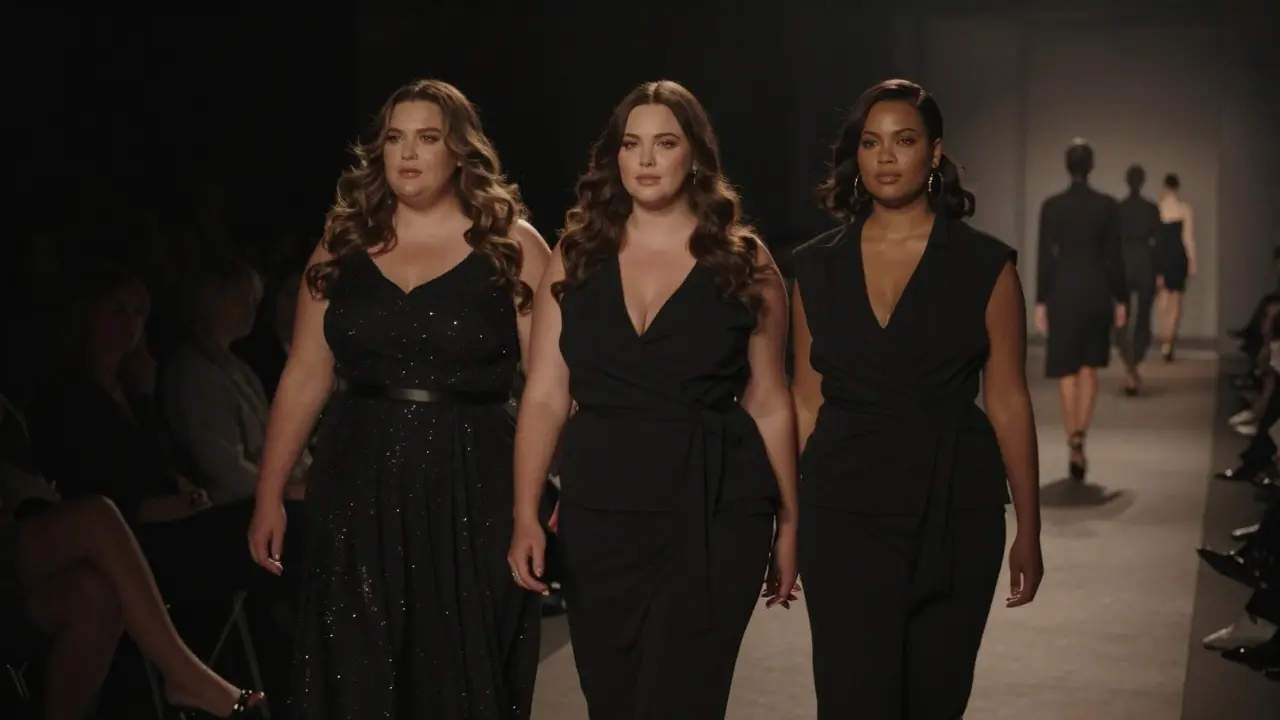
You remember them. The women who broke through in the early 2010s-curvy, confident, standing tall on runways, gracing magazine covers, smiling in ads for major brands. Ashley Graham. Tess Holliday. Robyn Lawley. They weren’t just models. They were movements. And then? They vanished. Not all at once. Not with a bang. But slowly, quietly, like a tide pulling back. Where did they go? And why does it feel like the fashion world forgot them?
The Rise: When Curves Finally Got the Spotlight
Before 2010, if you were a size 14 or above, you rarely saw yourself in fashion. Runways were narrow. Magazines were slim. Even the mannequins in stores were smaller than most real women. Then came the shift. Social media gave voice to women who refused to be invisible. Campaigns like Dove’s Real Beauty and Savage X Fenty’s inclusive shows didn’t just sell products-they sold belonging. Brands started noticing. Target, Lane Bryant, Aerie, and even high-end names like Chromat and Eloquii began hiring plus-size models not as tokens, but as faces of their collections.
It wasn’t perfect. There were still quotas. One or two models per show. Still labeled as ‘plus’ instead of just ‘models.’ But for the first time, women who looked like their mothers, sisters, and themselves were being celebrated. And it worked. Sales went up. Engagement spiked. The market proved: inclusivity isn’t a trend. It’s a business decision.
The Fade: What Changed After the Hype?
By 2020, the momentum felt unstoppable. But then something shifted. Big brands started pulling back. The same magazines that once put plus-size models on their covers began featuring thinner models again. Runways returned to their old silhouettes. Even some of the most visible plus-size models-those who once had contracts with top designers-started appearing less often.
Why? It wasn’t one single reason. It was a mix.
- Performative activism faded. Brands jumped on the body positivity bandwagon because it looked good. When sales didn’t skyrocket overnight, they moved on.
- Pressure from investors. Publicly traded companies faced pressure to return to ‘traditional’ aesthetics that they believed appealed to the ‘core customer.’
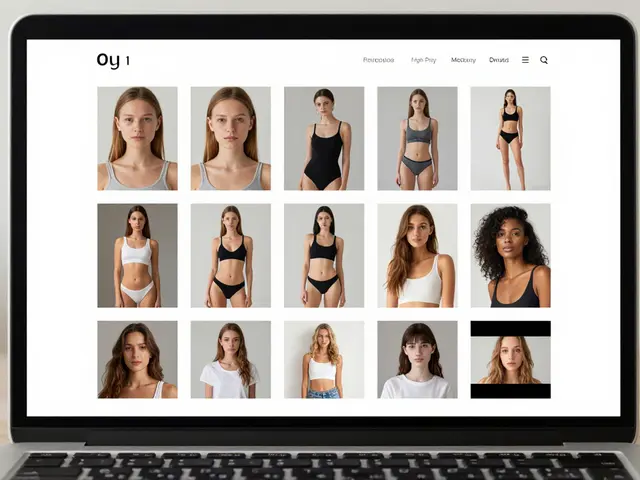
- Algorithmic bias. Social media platforms still favor thin, youthful, Eurocentric looks in their recommendation engines. Even when plus-size models post the same content, they get less reach.
- Tokenism replaced inclusion. Instead of building diverse teams, brands hired one plus-size model per campaign and called it diversity.
And here’s the quiet truth: many of these models were never given long-term contracts. They were hired for a season, a campaign, a viral moment. Then they were let go. No warning. No explanation. Just silence.
Where Are They Now?
They didn’t disappear. They just moved.
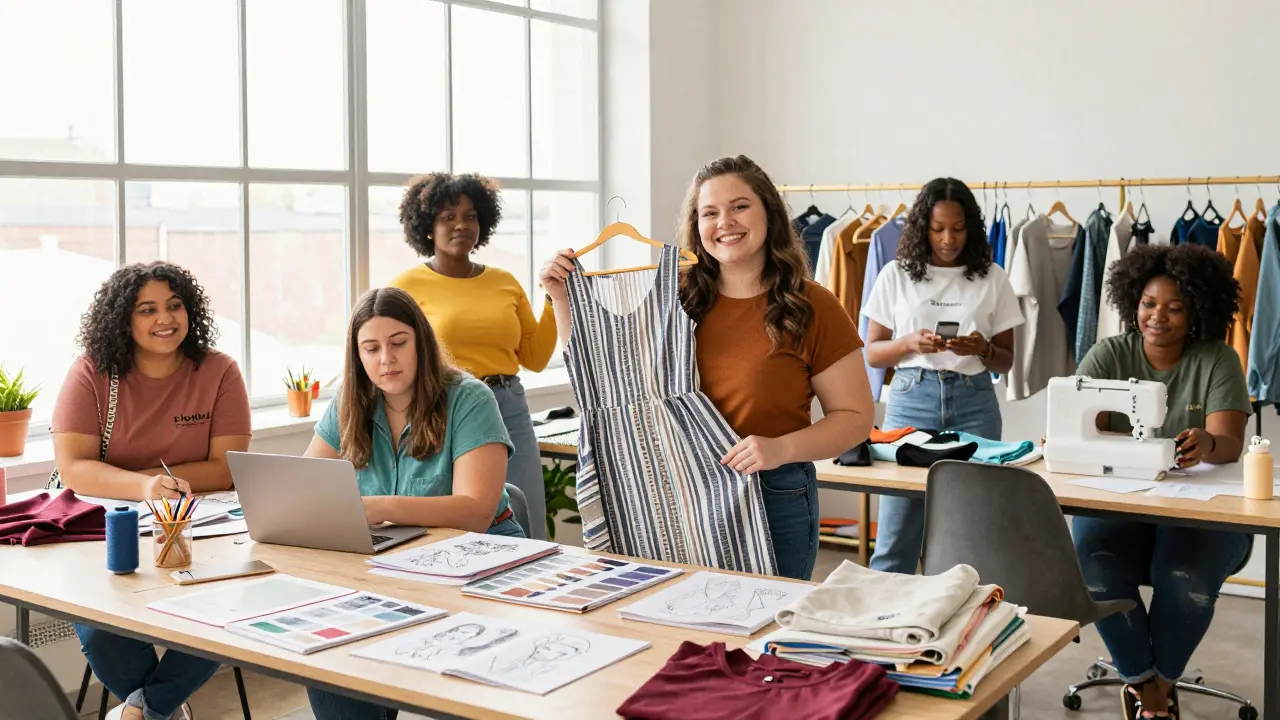
Ashley Graham still walks runways-but she’s also a producer, a TV host, and the founder of a successful shapewear line. Tess Holliday runs a thriving online community and advocates for mental health in fashion. Robyn Lawley shifted to editorial work and teaching. Many others started their own brands: swimwear lines, lingerie collections, styling services. They didn’t wait for permission. They built their own tables.
But here’s what’s missing: the mainstream visibility. You won’t see them on the cover of Vogue or in a Gucci ad. You won’t find them in the front row at Paris Fashion Week unless they’re invited as guests, not models. The industry still treats size diversity like a one-time experiment-not a permanent upgrade.
The Real Cost of the Fade
This isn’t just about fashion. It’s about identity.
When young girls see a size 12 model on a billboard, they think: Maybe I can be seen too. When they see that same model vanish from ads six months later, they think: Maybe I was never meant to be seen.
Studies from the National Eating Disorders Association show that exposure to diverse body types reduces body dissatisfaction and disordered eating in teens. When plus-size models disappear, it’s not just a loss for the industry-it’s a loss for mental health.
And it’s not just women. Non-binary and trans plus-size models-already marginalized-have seen even fewer opportunities since the backslide. The industry’s regression hits the most vulnerable hardest.
What’s Still Going Right?
Don’t get it twisted. Progress didn’t die. It just went underground.
Independent designers are still hiring curvy models. Brands like Universal Standard, Good American, and Eileen Fisher have made size inclusivity core to their identity-not a marketing tactic. Instagram and TikTok are full of plus-size creators who’ve built million-person followings without a magazine cover. One TikTok creator, @curvyandconfident, got 47 million views on a video showing her trying on a dress from a major retailer that didn’t carry her size. The brand responded by expanding its range.
And the customers? They’re not backing down. In 2025, 68% of women in the U.S. and U.A.E. said they’d stop shopping at brands that don’t offer extended sizes. That’s not a niche market. That’s the majority.
What You Can Do
If you’re wondering how to bring these models back into the spotlight-it starts with you.
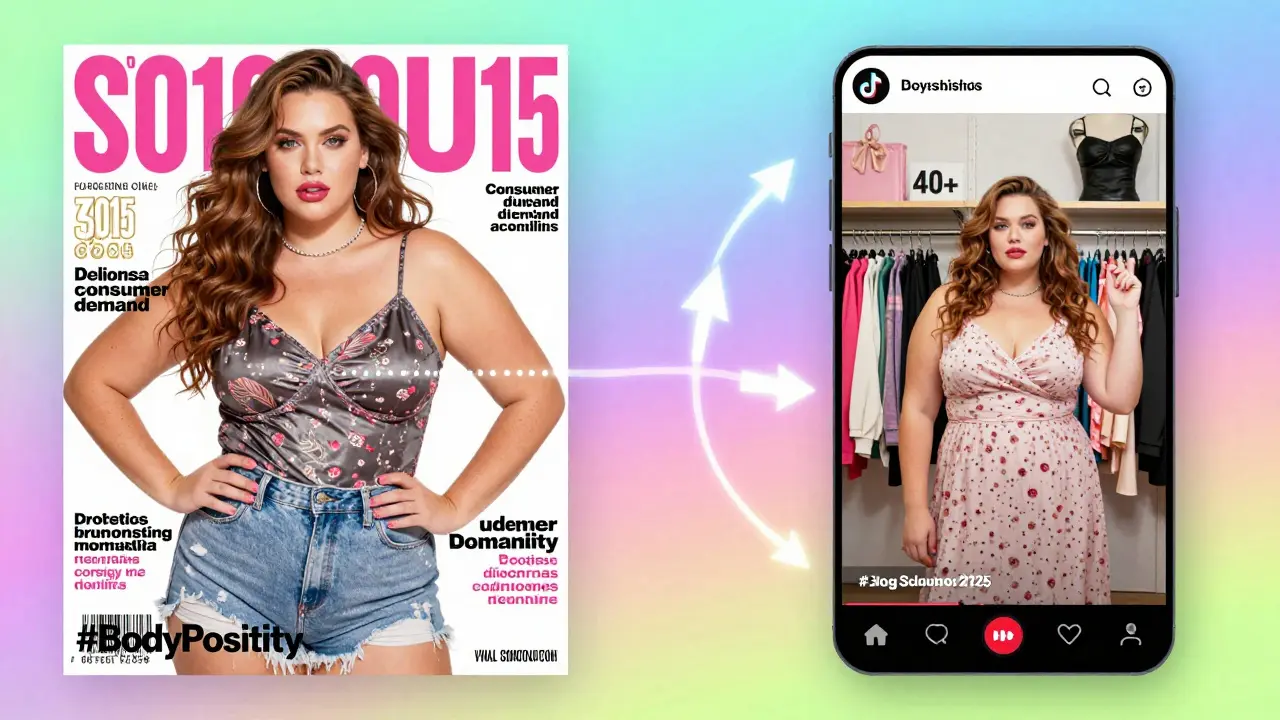
- Buy from inclusive brands. Support companies that size up to 40+. Your dollar is your vote.
- Call out empty gestures. If a brand uses one plus-size model in an otherwise thin campaign, say so. Tag them. Post about it.
- Follow and amplify. Search #PlusSizeModel, #SizeInclusiveFashion, #BodyPositivity. Share their work. Comment. Like. Algorithms listen to engagement.
- Ask for more. Email brands. Ask: ‘Do you offer sizes beyond 18?’ If they say no, tell them you’ll shop elsewhere.
Change doesn’t come from runway shows. It comes from your shopping cart, your comments, your posts.
Comparison: Plus-Size Representation Then vs. Now
| Aspect | 2015 | 2025 |
|---|---|---|
| Runway appearances (top 10 fashion weeks) | 3-5% of models | 4-7% of models |
| Magazine covers (Vogue, Elle, Harper’s Bazaar) | 1-2 per year | 0-1 per year |
| Major retail size range (max size offered) | Size 16-18 | Size 24-30 (at inclusive brands) |
| Brand campaigns featuring plus-size models | 10-15% of brands | 35% of brands (but often one-off) |
| Plus-size models with own brands | Under 5 | Over 40 |
What Happened to the Plus-Size Models? The Truth
The plus-size models didn’t vanish because the world stopped wanting them. They vanished because the industry stopped believing in them.
They were never asked to stay. They were asked to show up-for a season, for a sale, for a headline. And when the spotlight dimmed, they didn’t get to stay in the room.
But here’s what’s still true: women of every size are still wearing clothes. Still buying. Still demanding to be seen. And the models? They’re not waiting for a call from a designer. They’re designing their own future.
Maybe the real question isn’t where did they go? But are you ready to look for them?
Why aren’t plus-size models on runways anymore?
Many brands scaled back after the initial wave of publicity because they treated inclusivity as a trend, not a long-term strategy. Investors pressured them to return to ‘traditional’ aesthetics, and social media algorithms still favor thinner bodies. Plus-size models still walk runways-but far less often, and rarely as the face of major campaigns.
Are plus-size models still working in fashion?
Yes-but mostly outside the traditional system. Many have launched their own brands, become influencers, or work with independent designers. Some still book editorial shoots or niche campaigns, but mainstream runway and magazine opportunities have dropped significantly since 2020.
Is body positivity dead in fashion?
Not dead-just pushed underground. The language of ‘body positivity’ got co-opted by brands for profit, so many consumers now distrust it. But the movement evolved. Today, it’s less about slogans and more about action: inclusive sizing, real representation, and ownership. The real activists are the ones building businesses, not just posing for ads.
Why do brands still avoid larger sizes?
Outdated assumptions. Many brands still believe larger sizes won’t sell, or that production costs are too high. But data shows otherwise: inclusive brands report 30-50% higher customer retention. The real barrier isn’t cost-it’s fear of change and resistance from leadership.
How can I support plus-size models today?
Buy from brands that offer extended sizes. Follow and engage with plus-size creators on social media. Call out brands that use tokenism. Ask retailers why they don’t carry sizes above 18. Your choices shape the industry more than any runway show ever could.




January 22, 2026 AT 03:31
It’s not just about visibility-it’s about dignity. These women weren’t hired to be a checkbox. They were human beings who carried the weight of an entire movement on their shoulders, and when the trend faded, nobody bothered to ask if they were still standing. The industry didn’t fail them because they weren’t marketable-it failed them because it never saw them as worthy of permanence.
I think about how many young girls watched those runway shows and thought, ‘Maybe I belong here.’ And now? They’re scrolling through feeds full of the same thin bodies, wondering if their worth was just a marketing ploy. That’s not just bad business. That’s emotional theft.
And yet, the models? They didn’t break. They built. They started brands, taught classes, wrote books, showed up for each other. The system forgot them. But they didn’t forget themselves.
Maybe the real question isn’t where they went. It’s why we thought we could use them and then throw them away like last season’s fabric swatch.