Body-to-body Massage Safety: What You Need to Know
Explore how safe body-to-body massage is, learn licensing, hygiene, consent, pricing, and tips to protect yourself in Dubai.

When talking about body massage risks, the possible injuries, infections, and legal problems that can happen during a massage. Also called massage hazards, this topic ties directly to massage therapy, a hands‑on treatment aimed at relaxing muscles and improving circulation and to contraindications, conditions that make a massage unsafe. Understanding these connections helps you choose a safe, enjoyable session.
First off, most people think a massage only feels good, but body massage risks also include accidental injuries. A therapist that presses too hard can cause muscle strain, bruising, or even nerve irritation. This is why the risk of injury encompasses excessive pressure, improper body mechanics, and lack of client feedback. If you feel sharp pain, it’s a clear sign to speak up. Simple communication can turn a risky moment into a safe adjustment.
Next, certain health issues act as red flags. Pregnancy, heart disease, recent surgeries, and skin infections are typical contraindications, situations where massage could worsen the condition. For example, deep tissue work on a pregnant belly may trigger uterine contractions, while a massage over a recent scar could break down tissue. Knowing these contraindications requires a quick health check before the session starts.
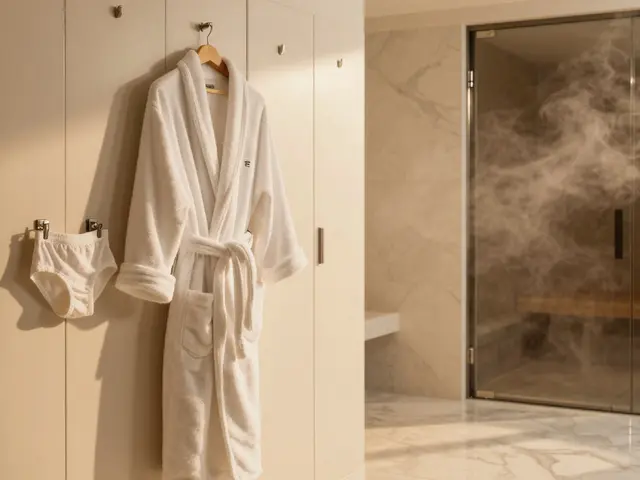
Hygiene is another big piece of the puzzle. Unsanitary linens or unclean equipment can spread bacterial or fungal infections. This risk relates to the concept of spa hygiene, which covers clean sheets, properly sterilized tools, and therapist hand washing. A reputable spa will show you fresh towels and may even let you check cleaning logs. If the environment feels damp or smells off, trust your instincts and look elsewhere.
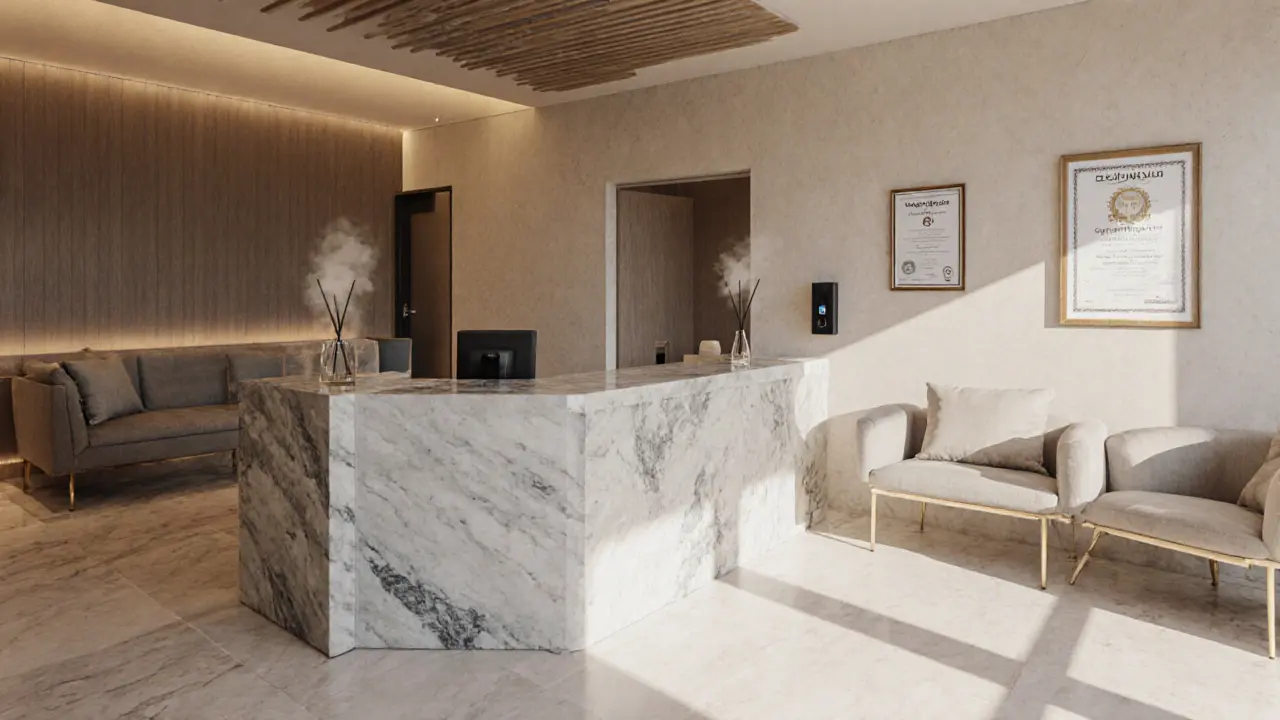
Legal and licensing issues also affect safety. In Dubai, only licensed therapists can offer professional massage services, and the venue must meet health department standards. When a spa operates without a license, it often skips essential safety checks, raising the chance of injury or infection. So, checking a therapist’s credentials influences the overall risk level.
How can you protect yourself? Start by asking the therapist about their training, certifications, and insurance. Verify that the spa displays its license prominently. Ask about the pressure level they plan to use and whether they’ll adjust it based on your comfort. If you have a medical condition, bring a note from your doctor outlining any restrictions. These simple steps enable you to lower the odds of a negative experience.
Prevention tips round out the safety toolbox. Hydrate before and after your massage, as water helps flush out any released toxins. Arrive a few minutes early to fill out a health questionnaire. Communicate openly during the session—if something hurts, say so right away. After the massage, give your body time to rest; a sudden workout can undo the benefits and increase soreness.
Below you’ll find a curated list of articles that dive deeper into each of these areas—pricing guides, spa etiquette, specific injury case studies, and more. Whether you’re a first‑timer or a regular client, the posts will give you practical insight to enjoy a safe, relaxing massage experience.
Explore how safe body-to-body massage is, learn licensing, hygiene, consent, pricing, and tips to protect yourself in Dubai.