
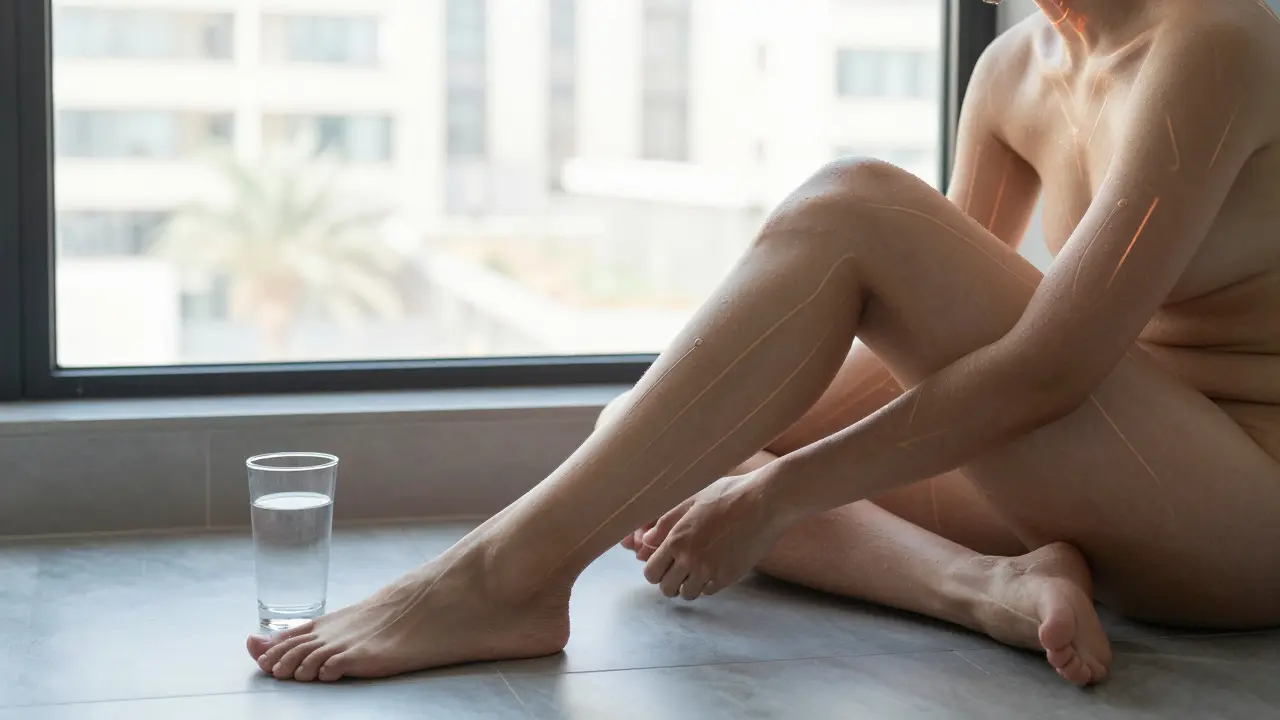
You’ve just had your first lymphatic drainage massage. You feel relaxed, maybe a little light-headed, and your skin looks a bit smoother. But now you’re wondering: is it actually working?
It’s a smart question. Lymphatic drainage isn’t like a muscle massage where you feel immediate soreness or release. The lymph system is invisible. It doesn’t scream for attention. So how do you know it’s doing its job?
What Lymphatic Drainage Actually Does
The lymphatic system is your body’s cleanup crew. It moves fluid, waste, toxins, and excess proteins out of your tissues and back into your bloodstream. Unlike your blood, which has a pump (your heart), lymph has no engine. It relies on movement - breathing, walking, and yes, gentle massage - to keep flowing.
Lymphatic drainage massage uses light, rhythmic pressure to guide this fluid along its natural pathways. It’s not about deep tissue work. It’s about coaxing. Think of it like nudging a stalled river with the tip of your finger - just enough to get it moving again.
Signs Lymphatic Drainage Is Working
Here’s what to look for in the hours and days after your session:
- You feel lighter - especially in your face, ankles, or hands. If you’ve been carrying puffiness from a long flight, late nights, or hormonal shifts, you’ll notice your rings fit better or your jeans aren’t digging in.
- Your skin looks clearer - less bloated, less dull. Many people report a natural glow within 24 hours, not from makeup, but from reduced fluid retention and better toxin removal.
- You’re urinating more - not just a little, but noticeably. Your urine might be lighter in color, clearer. This is your body flushing out the fluid the massage moved.
- Your digestion improves - bloating eases, gas decreases, bowel movements become more regular. The lymphatic system runs alongside your gut. When it’s stuck, digestion suffers.
- You sleep deeper - even if you didn’t feel tired before. Lymphatic drainage calms your nervous system. It’s like hitting a reset button on your body’s stress response.
- Chronic swelling reduces - if you’ve had post-surgery swelling, edema from injury, or even long-term fluid retention, you’ll see a slow but steady drop in size over 3-5 sessions.
These aren’t magic tricks. They’re biological responses. When lymph flows, waste leaves. When waste leaves, inflammation drops. When inflammation drops, your body feels better.
What Doesn’t Mean It’s Working
Don’t confuse temporary sensations with real results.
Feeling tired after a session? That’s normal - your body is working hard to process what was moved. But if you feel dizzy, nauseous, or overly drained, you may have had too much pressure or too long a session. Lymphatic massage should never leave you exhausted.
Redness or bruising? That’s not lymphatic drainage. That’s a sign the therapist used too much force. Lymphatic work is feather-light - like brushing a butterfly off your skin. If it hurts, it’s not lymphatic drainage.
And don’t expect instant detox results. No one poops out toxins after one session. That’s marketing nonsense. Real change takes time. Three to five sessions spaced a week apart are usually needed to see consistent improvements.
How It Feels in Dubai’s Climate
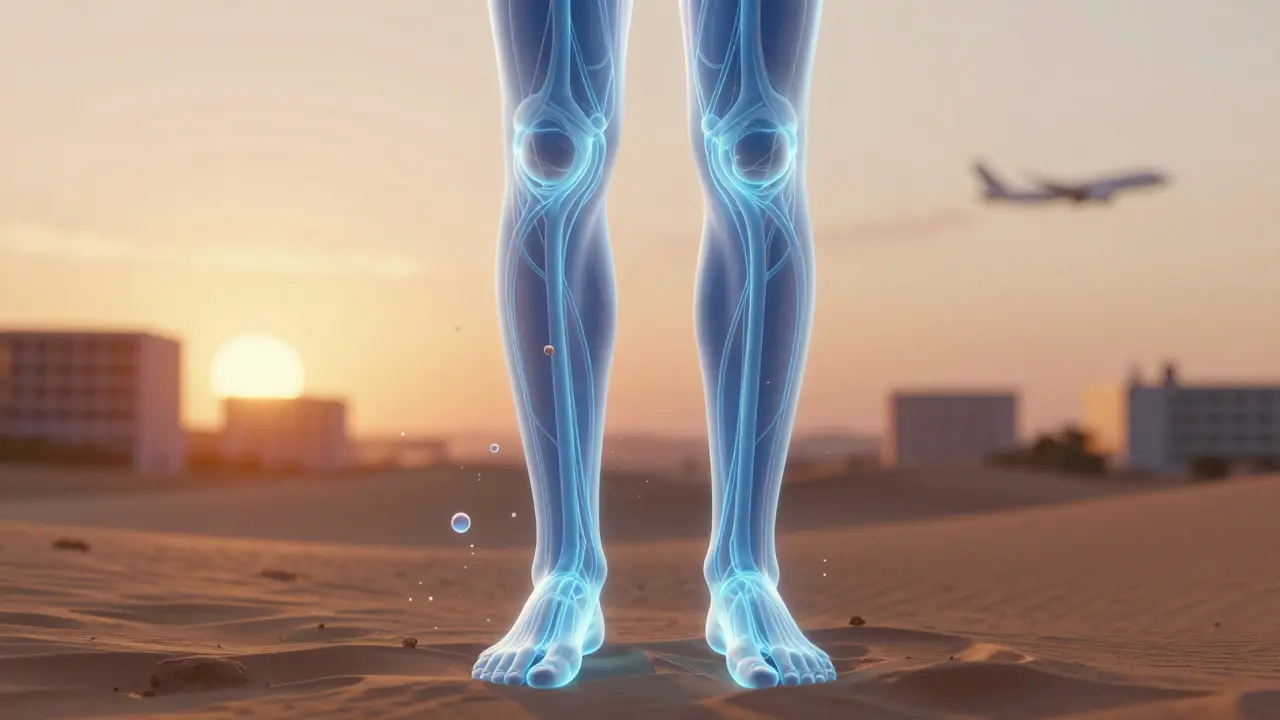
In Dubai, heat and humidity can slow down lymphatic flow. Your body holds onto fluid more easily when it’s hot. Air-conditioned offices, long flights, and salty diets add to the burden.
That’s why many residents here - especially those who travel frequently or sit at desks all day - notice dramatic changes after just a few sessions. Swollen ankles after a flight? Gone. Puffy eyes in the morning? Less noticeable. Skin that looked dull from dehydration? Suddenly looks plump and radiant.
One client, a project manager who flies to London every other week, told me: “I used to arrive home looking like I’d been hit by a truck. After three sessions, I walk off the plane and feel like I’ve already rested.”
How Often Should You Do It?
For maintenance: Once a month. Especially if you travel, sit all day, or deal with hormonal cycles.
For recovery: Twice a week for 2-4 weeks after surgery, injury, or illness.
For chronic swelling or recurring puffiness: Once a week for 4-6 weeks, then taper off.
Consistency matters more than intensity. A 30-minute session every week does more than a 90-minute session once a month.
What to Do After Your Session
What you do after the massage is just as important as the massage itself.
- Drink water - at least 1.5 liters in the next 6 hours. Your lymph needs fluid to flush out what it’s moved.
- Walk for 10-15 minutes - even a slow stroll helps your muscles pump lymph naturally.
- Avoid alcohol and salty snacks - they cause fluid retention and undo your progress.
- Don’t rush to the gym - intense exercise can overwhelm your system. Save it for the next day.
Comparison: Lymphatic Drainage vs. Deep Tissue Massage
| Feature | Lymphatic Drainage | Deep Tissue Massage |
|---|---|---|
| Pressure | Feather-light - like silk on skin | Firm to deep - can be uncomfortable |
| Goal | Move fluid, reduce swelling, support immunity | Release muscle knots, improve mobility |
| Speed of Movement | Slow, rhythmic, gliding strokes | Slow, focused, sometimes jerky |
| Best For | Puffiness, post-surgery, bloating, fatigue | Chronic tension, sports injuries, tight shoulders |
| After Effects | Lighter, clearer skin, more energy | Soreness, stiffness, possible bruising |
When to Skip Lymphatic Drainage
It’s not for everyone. Avoid it if you have:
- Active infection or fever
- Heart failure or uncontrolled high blood pressure
- Recent blood clots or deep vein thrombosis
- Untreated cancer (unless cleared by your oncologist)
- Severe kidney disease
If you’re unsure, check with your doctor. A good therapist will ask about your health history before starting.
FAQ: Your Questions About Lymphatic Drainage Answered
How long does it take to see results from lymphatic drainage?
Some people feel lighter after one session, especially if they’re dealing with temporary puffiness from travel or meals. But for lasting changes - like reduced chronic swelling or improved skin texture - most people need 3 to 5 sessions spaced over 2-4 weeks. Think of it like watering a plant: one drink won’t make it bloom, but consistent care will.
Can I do lymphatic drainage at home?
Yes - but only with the right technique. You can use a soft brush or your fingertips to gently stroke toward your collarbone and armpits. Start from your feet and work upward. Do it for 5-10 minutes daily, especially in the morning. But don’t replace professional sessions with DIY. A trained therapist knows the exact pathways and can target problem areas you can’t reach on your own.
Does lymphatic drainage help with weight loss?
Not directly. It doesn’t burn fat. But it can help you lose water weight - which might show up as 1-3 pounds on the scale after a few sessions. That’s not fat loss, but it can make you look slimmer and feel more comfortable in your clothes. If you’re combining it with diet and movement, it can support your overall progress by reducing inflammation and bloating.
Why do I feel more tired after a session?
Your body is processing a lot of waste that’s been moved into your bloodstream. It’s like cleaning out a garage - the dust flies everywhere before it’s all swept up. This fatigue usually lasts 12-24 hours. Drink water, rest, and avoid caffeine or alcohol. You’ll feel clearer afterward.
Is lymphatic drainage safe after cosmetic surgery?
Yes - and it’s often recommended. After procedures like liposuction, tummy tucks, or facelifts, lymphatic drainage helps reduce swelling, bruising, and scar tissue. Most surgeons in Dubai suggest starting 3-5 days after surgery, once initial healing is underway. Always get clearance from your surgeon first.
Final Thought: Trust Your Body’s Signals
You don’t need a machine to tell you if lymphatic drainage is working. Your body gives you clues - lighter skin, clearer eyes, better sleep, less bloating. If you notice those things, you’re on the right track.
It’s not about feeling a dramatic rush. It’s about quiet, steady improvement. Like the tide slowly pulling back sand from your feet. You won’t see it happen in real time. But look down a few days later - and the footprint is gone.






January 10, 2026 AT 10:17
Okay but let’s be real - if your lymphatic system needed a massage to function, we’d all be dead by 30. Evolution didn’t design us to need strangers gently stroking our skin to avoid turning into water balloons. The body’s got 40+ years of built-in redundancy. This is just fancy placebo with a $120 price tag.