You’ve been told you have the look. A stranger on Instagram DM’d you. A casting agent reached out from Dubai. They want you to model. They say it’s a big opportunity. But before you sign anything-stop. Not every modeling contract is a ticket to the runway. Some are traps. And too many young women walk right into them, thinking it’s their big break-only to lose money, time, and self-respect.
What You’re Really Signing Up For
Modeling contracts aren’t like renting an apartment or signing up for a gym. They’re legal documents with fine print that can bind you for years. They control where you work, how much you get paid, who owns your images, and even what you can wear off-duty. And if you don’t know what to look for, you’re handing over power to someone who doesn’t have your best interests at heart.
Most female models-especially newcomers-aren’t lawyers. They’re 17, 19, 22. They’re excited. They want to be seen. That’s exactly what bad agencies count on.
The Top 7 Red Flags in Modeling Contracts
- You’re asked to pay upfront fees-for portfolio photos, “registration,” “training,” or “catalog fees.” Legit agencies make money when you make money. They take a commission (usually 15-20%) from your earnings. If they ask you to pay first, walk away. That’s not an agency. That’s a scam.
- Contract length is 5+ years-Five years is a lifetime when you’re 18. Most standard contracts are 1-3 years. Anything longer needs serious justification-and even then, you should have an exit clause. If they say, “It’s industry standard,” they’re lying.
- Exclusive rights to your image forever-Some contracts claim they own the rights to your photos “in perpetuity, worldwide, for any purpose.” That means they can sell your face to a mattress company, a porn site, or a charity ad without your permission. You should only grant rights for specific campaigns, with clear expiration dates.
- No clear payment terms-If the contract says “payment will be determined at time of booking,” that’s a red flag. You need to know your rate per hour, per day, or per shoot. No rate? No contract. Period.
- They require you to use their preferred photographers or studios-This is called “forced spending.” You’ll be told, “We have a deal with this studio,” and you’ll end up paying $800 for photos that cost $200 elsewhere. Legit agencies don’t force you to spend money with their partners. They give you options.
- No clause for termination-Can you get out if they stop booking you? Can you leave if they don’t pay you? If the contract doesn’t say how to cancel, you’re stuck. Always demand a termination clause with 30-60 days’ notice.
- They won’t let you consult a lawyer-If they say, “It’s just a formality,” or “We don’t allow lawyers,” that’s a huge warning sign. Real agencies have nothing to hide. If they pressure you to sign quickly, they’re hiding something.
Why This Happens-And Who’s Behind It
In Dubai, the modeling scene is booming. Luxury brands, fashion weeks, social media campaigns-they all need faces. But that demand has also drawn in predators. Some agencies are fronts for human trafficking rings. Others are just greedy middlemen who see new models as cash cows.
They lure you with promises: “You’ll be on billboards in Dubai Mall.” “You’ll fly to Milan.” “You’ll work with top photographers.” Then they hit you with fees. They say, “This is standard.” It’s not. It’s exploitation.
Real agencies don’t need to sell you on the dream. They already have clients. They have bookings. They don’t need your $500 for “portfolio enhancement.” They’re waiting for you to book a job so they can take their cut.
What a Real Contract Looks Like
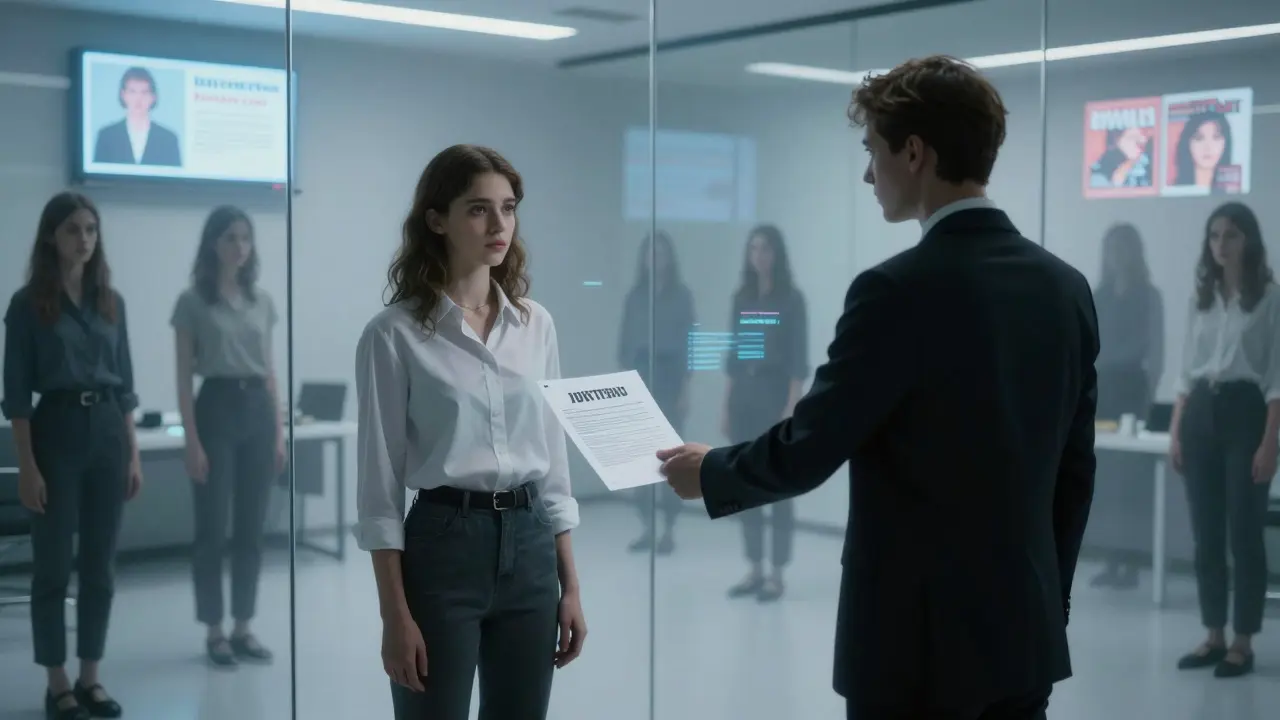
Here’s what you should see in a legitimate contract:
- Clear commission rate (15-20% max)
- Term length: 1-3 years
- Geographic scope: “Middle East only” or “Global” - not “anywhere on Earth forever”
- Image usage rights: Limited to specific campaigns, with expiration dates
- Payment terms: Hourly/daily rates listed, payment window (e.g., “paid within 14 days of shoot”)
- Termination clause: Either party can end with 30 days’ written notice
- Right to review and approve all photos before use
- No mandatory spending on third-party services
And here’s the most important part: you should get a copy of the signed contract. If they say, “We’ll email it,” and never do-that’s not professionalism. That’s evasion.
How to Protect Yourself Before You Sign
- Google the agency name + “scam”. Look for real reviews-not fake testimonials on their website. Check Instagram comments. Look for women who say, “I paid $1,200 and never got a single booking.”
- Check if they’re registered. In the UAE, agencies must be licensed by the Department of Economic Development (DED). Ask for their trade license number. Verify it at ded.gov.ae.
- Ask for client references. Not models who posted glowing Instagram stories. Ask for the names of brands they’ve worked with. Then Google those brands. Did those brands actually hire them? Or are they just names on a list?
- Get a second opinion. Take the contract to a lawyer-even a 30-minute consultation costs $100. It’s cheaper than losing $2,000 and your peace of mind.
- Never sign a blank contract. If any fields are left empty-dates, rates, terms-don’t sign. That’s how they change the rules later.
What to Do If You’ve Already Signed
If you’ve paid money or signed a bad contract, don’t panic. But don’t wait either.
- Stop all payments immediately.
- Send a certified letter (email isn’t enough) demanding a copy of the contract and termination.
- Report the agency to the Ministry of Human Resources and Emiratisation. They handle labor exploitation cases-even for models.
- File a complaint with Dubai Police’s Cybercrime Unit if they’re using your images without permission.
You’re not alone. Thousands of women have been through this. The system isn’t perfect. But you can fight back.
Who to Trust in Dubai’s Modeling Scene
There are real, ethical agencies in Dubai. They don’t need to sell you a dream. They have clients. They have jobs. They’re transparent. Look for agencies that:
- Represent established brands like L’Oréal Middle East, Zara, or Emirates Airlines
- Have physical offices-not just Instagram DMs
- Post real job listings on their websites
- Have been around for 5+ years
- Have clear, public contact info and legal registration
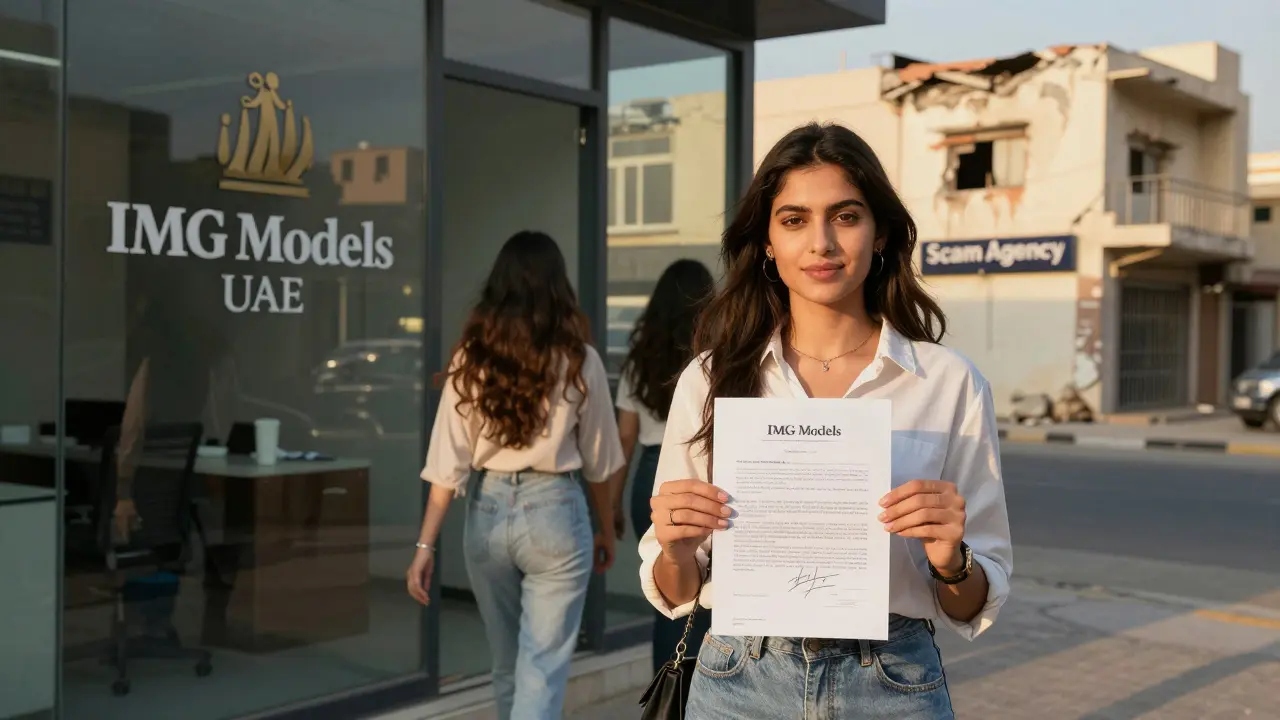
Some names you can research: Model Management Dubai, IMG Models UAE, Elite Model Management Dubai. These aren’t perfect, but they have track records. Always verify.
Final Thought: Your Body Is Not a Product
Modeling can be empowering. It can be exciting. It can pay well. But only if you’re in control.
Never let anyone tell you that signing a bad contract is “part of the industry.” It’s not. It’s abuse dressed up as opportunity.
You don’t need to beg for work. You don’t need to pay to be seen. You’re not a commodity. You’re a person with rights. And if someone treats you like a product, they don’t deserve you.
Should I pay for my modeling portfolio?
No. Legitimate modeling agencies do not charge you to build your portfolio. They earn money by taking a commission from your earnings after you book a job. If an agency asks you to pay for photos, editing, or “catalog fees,” it’s a scam. Real agencies have connections with photographers and will arrange paid shoots as part of your development-never as a fee you pay upfront.
Can a modeling agency legally hold my photos forever?
No. Even if the contract says “in perpetuity,” that clause is often unenforceable under UAE consumer and privacy laws. You should only grant rights for specific campaigns and time periods. Always negotiate a limit-like “one year for editorial use only.” If they refuse, walk away. Your image is your property.
How do I verify if a modeling agency is licensed in Dubai?
Visit the Department of Economic Development (DED) website at ded.gov.ae and search for the agency’s name under “Trade License Search.” A valid license number must be displayed. If they can’t provide it, or if the license is expired or inactive, they’re not operating legally. Never work with unlicensed agencies.
What if the agency says I’m “too old” or “too short” after I sign?
That’s a classic tactic to avoid paying you. Legitimate agencies don’t change their mind after you’ve paid fees or signed contracts. If they claim you’re “no longer marketable,” demand a written explanation and review your contract. Most contracts include a minimum booking guarantee or performance clause. If they’re not booking you, you may have grounds to terminate.
Is it normal for modeling contracts to have non-compete clauses?
Non-compete clauses are common but should be reasonable. A clause that blocks you from working with any other agency for 2 years is excessive. A clause that prevents you from signing with a direct competitor during your contract term is normal. Always ask for clarification-and never sign a clause that stops you from working entirely. In the UAE, overly broad non-competes are often unenforceable in court.
Can I get out of a contract if I’m being exploited?
Yes. If you’re being pressured, harassed, asked to do inappropriate things, or forced to pay more fees, you have legal rights. Report the agency to the Ministry of Human Resources and Emiratisation (MOHRE). They can investigate labor violations. You can also file a complaint with Dubai Police’s Cybercrime Unit if your images are being misused. You don’t have to stay in an abusive contract.