You’ve seen the runway. The lights. The music. The model strutting in a dress that costs more than your rent. And then you wonder: do models ever get to keep their clothes? It’s a question that pops up after every fashion show, every Instagram post of a model in a jaw-dropping outfit, every time you think, ‘I’d kill for that jacket.’ The answer isn’t as simple as yes or no. But here’s the truth: sometimes they do. And when they don’t? It’s not because they’re not allowed-it’s because the system doesn’t work that way.
Quick Takeaways
- Models rarely keep clothes from runway shows-those are samples for buyers.
- Editorial shoots often let models keep one or two pieces, especially if they’re non-luxury brands.
- High-end designers rarely give away garments; they’re too expensive or too rare.
- Some models trade clothes for favors, or resell them online after the fact.
- It’s not about greed-it’s about logistics, value, and industry norms.
Do Models Keep Their Clothes? The Short Answer
Most of the time, no. But there are exceptions-and they’re not random. It depends on the brand, the shoot, the model’s status, and whether the clothing is even meant to be sold. Runway pieces? Almost never. Magazine editorials? Sometimes. Campaigns? Rarely. And if you’re wondering why? Let’s break it down.
Why Runway Clothes Almost Never Go to the Models
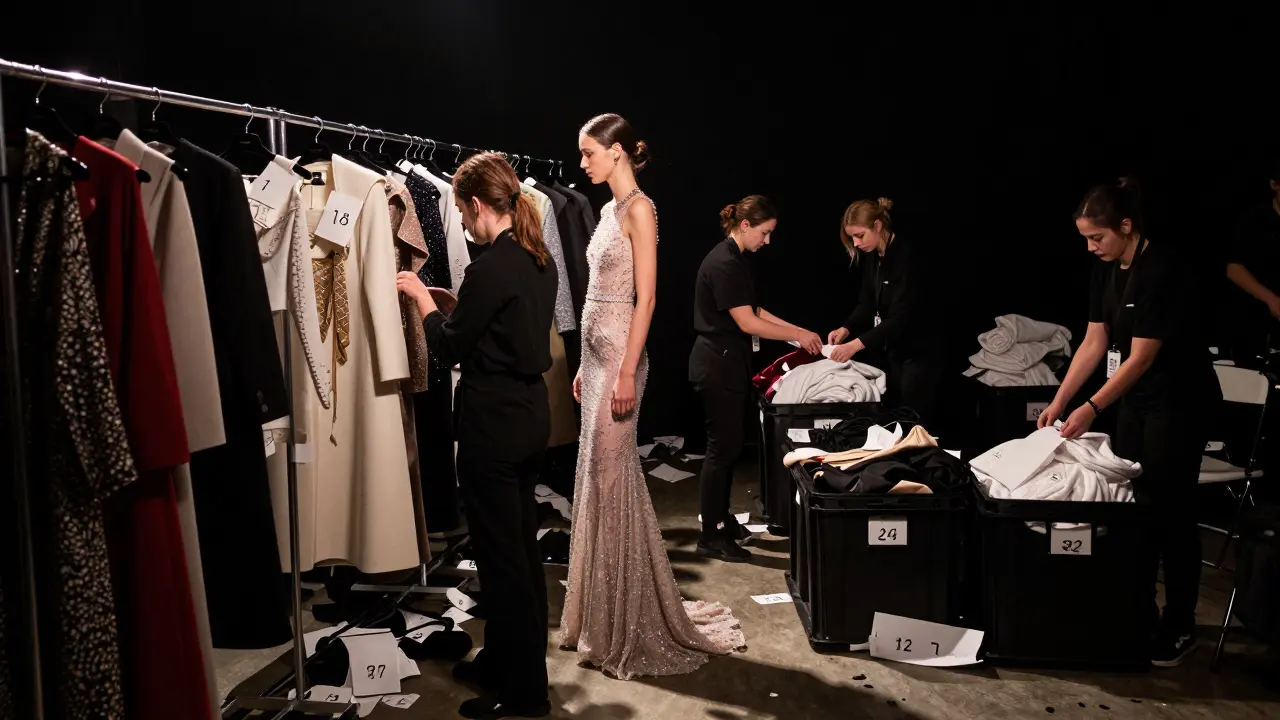
Think of a runway outfit as a prototype. These aren’t final products. They’re samples. Designers use them to show buyers from stores like Saks, Nordstrom, or Net-a-Porter what they’ll be ordering for the upcoming season. Each piece is numbered, tracked, and returned. Some are altered after the show. Others get repurposed for lookbooks or future campaigns. If a model walked off with a $20,000 gown from Chanel, the brand wouldn’t just lose inventory-they’d lose control over how their product is presented.
And it’s not just about money. It’s about image. Brands control their narrative. If a model posts a photo of herself in a new collection before the official launch? That’s a PR nightmare. So they keep tight control. Models know this. They’re professionals. They don’t expect to walk off with a couture piece.
What About Editorial Shoots?
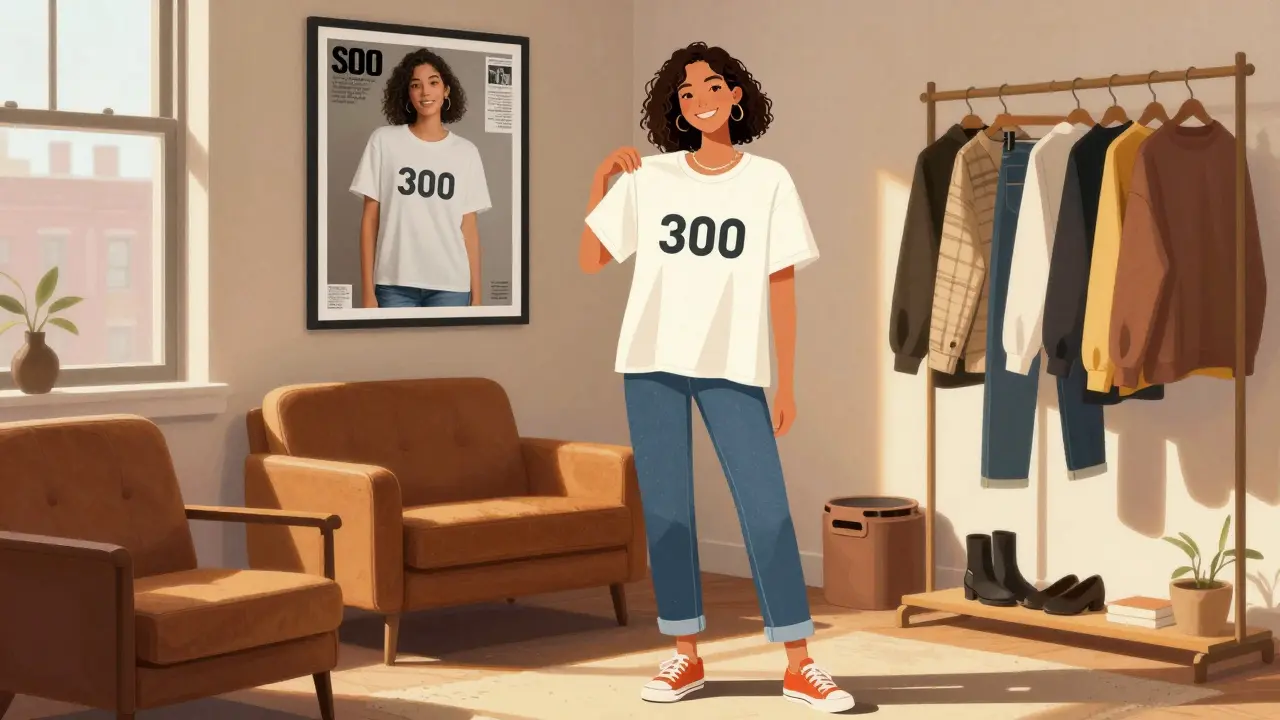
Here’s where things get interesting. Editorial shoots-like those in Vogue, Harper’s Bazaar, or Elle-are different. These are storytelling pieces. The goal isn’t to sell a specific item; it’s to create a mood, a moment, an aesthetic. Sometimes, the stylist or brand will let the model keep one or two pieces as a thank-you. Especially if it’s a lesser-known label or if the outfit is something the model would actually wear.
I’ve heard from stylists who say: if a model looks amazing in a $300 top from a small designer they love, and the piece isn’t going to be sold in stores for months, they’ll say, ‘Keep it.’ It’s a gesture. A reward. A way to build loyalty. But it’s not guaranteed. And it’s not the norm.
High-End vs. Fast Fashion: The Big Divide
There’s a huge difference between what happens with a Balenciaga gown and what happens with a Zara jumpsuit.
With luxury houses, the clothes are hand-sewn, limited edition, and sometimes one-of-a-kind. They’re not meant to be worn again. They’re art. Selling or giving them away would devalue the brand’s exclusivity.
But with fast fashion? Totally different. When a model films a TikTok campaign for H&M or Shein, the clothes are mass-produced. The brand doesn’t care if the model keeps the outfit. In fact, they encourage it. The model wearing the same top they just modeled? That’s free advertising. Some fast fashion brands even send models a care package after the shoot: a few pieces to keep, plus a gift card. It’s smart marketing.
How Do Models Actually Get to Keep Clothes?
There are a few real ways models end up with clothing they love:
- Post-show sales - After a fashion week, brands often sell unsold samples at deep discounts to employees, press, or even models. It’s called a ‘sample sale,’ and it’s one of the few legal ways models get their hands on runway pieces.
- Stylist favors - A stylist might hold back a piece they know a model would wear. They’ll say, ‘Take it. I’ve got extras.’ No paperwork. Just trust.
- Trade for exposure - A new model might be offered a piece in exchange for posting about it on Instagram. It’s not payment-it’s promotion. And sometimes, the brand just lets them keep it.
- Resale after the fact - Some models buy clothes they love from sample sales, then resell them on Depop or Vestiaire Collective. It’s not stealing-it’s savvy.
What Happens to the Clothes If Models Don’t Keep Them?
They don’t just disappear. Here’s the lifecycle:
- Sample pieces go back to the design studio for adjustments.
- Some go into archives-designers keep them as reference for future collections.
- Others are reused in future campaigns, lookbooks, or even museum exhibits.
- A few end up in charity auctions or donated to fashion schools for student projects.
There’s even a growing trend of designers renting out runway pieces for red carpet events. So that gown Kim Kardashian wore? It probably came from the same sample that walked the runway six months earlier.
Do Top Models Get Special Treatment?
Yes-but not because they’re famous. It’s because they’re useful.
Supermodels like Gigi Hadid or Adut Akech don’t get handed designer wardrobes just because they’re famous. But if they’ve worked with a brand for years, if they’re trusted, if they’ve helped launch a collection? Then yes, they might be offered a piece as a gift. It’s a thank-you, not a perk.
And sometimes, it’s not even about the clothes. A model might get a discount code, early access to new drops, or even a custom piece made for them. That’s the real luxury.
What Do Models Actually Wear Off-Duty?
Here’s the irony: most models don’t wear the clothes they model. They’re too tight, too tall, too loud. A model who walks in a 12-inch heel and a 30-inch waist won’t wear that same outfit to brunch. They wear jeans. T-shirts. Sneakers. They’re human.
Many models say their favorite pieces are the ones they bought themselves. A thrifted leather jacket. A pair of vintage Levi’s. A simple white tee. Real style isn’t about what’s on the runway. It’s about what feels like you.
FAQ: Your Questions About Models and Clothes Answered
Do models get paid extra if they keep clothes?
No. If a model keeps clothing, it’s usually a gift or part of a trade-not payment. Some brands might offer a stipend for wardrobe, but that’s rare and usually covered in the contract upfront.
Can models sell the clothes they’re given?
Yes, if they’re given permission. Most brands allow it, especially if it’s a low-cost item or part of a promotional campaign. But if it’s high-end, they’ll often require a signed waiver or ask for proof of resale. Some designers even track resale activity.
Why don’t models just ask for clothes?
Because it’s not how the industry works. Asking can come off as unprofessional. Models know the rules: if they’re meant to keep something, they’ll be told. If they’re not, asking won’t change it-and might hurt their reputation.
Are there any brands that give models clothes regularly?
Fast fashion brands like Zara, H&M, and ASOS are the most likely to let models keep pieces. They produce clothes in bulk and benefit from the free promotion. Some sustainable brands also give clothes to models as part of their ethical mission-no waste, no excess.
Do male models get to keep clothes too?
Yes. The rules are the same. Male models rarely keep runway pieces, but they often get to keep items from campaigns, especially if they’re from brands that value authenticity over exclusivity.
Final Thought: It’s Not About the Clothes
At the end of the day, the clothes aren’t the point. The point is the story. The vision. The way a designer turns fabric into emotion. Models aren’t walking mannequins-they’re collaborators. And if they walk away with a piece they love? That’s a bonus. But most of them? They’re just happy to be part of something beautiful. The real luxury isn’t in the fabric. It’s in the experience.