
You’ve probably seen both on a spa menu: a body scrub and a massage. One promises glowing skin, the other promises deep relaxation. But which one is truly better? The answer isn’t simple-because they’re not meant to do the same thing. Trying to pick one over the other is like asking if a shower is better than a nap. They both feel amazing, but they serve different needs.
Quick Takeaways
- A body scrub exfoliates dead skin, improves texture, and boosts circulation-great for skin health.
- A massage releases muscle tension, reduces stress hormones, and helps with pain relief-great for your nervous system.
- Neither is "better"-they’re complementary. Many people do both in the same session.
- If your skin feels rough or dull, start with a scrub. If you’re achy or stressed out, go for the massage.
- Combining both gives you the full package: soft skin and calm nerves.
Direct Answer
No, a body scrub isn’t better than a massage-and vice versa. They work on different parts of you. A body scrub treats your skin. A massage treats your muscles and mind. If you want smooth skin, choose the scrub. If you want to unwind from stress or soreness, choose the massage. Want both? Do them together.
What Is a Body Scrub, Really?
A body scrub is a treatment that uses granules-like sugar, salt, coffee grounds, or ground nut shells-mixed with oils or creams to slough off dead skin cells. It’s not just about feeling smooth. It’s about renewal. Your skin sheds about 30,000 to 40,000 cells every day. Over time, those old cells pile up, making your skin look dull, feel rough, and even clog pores.
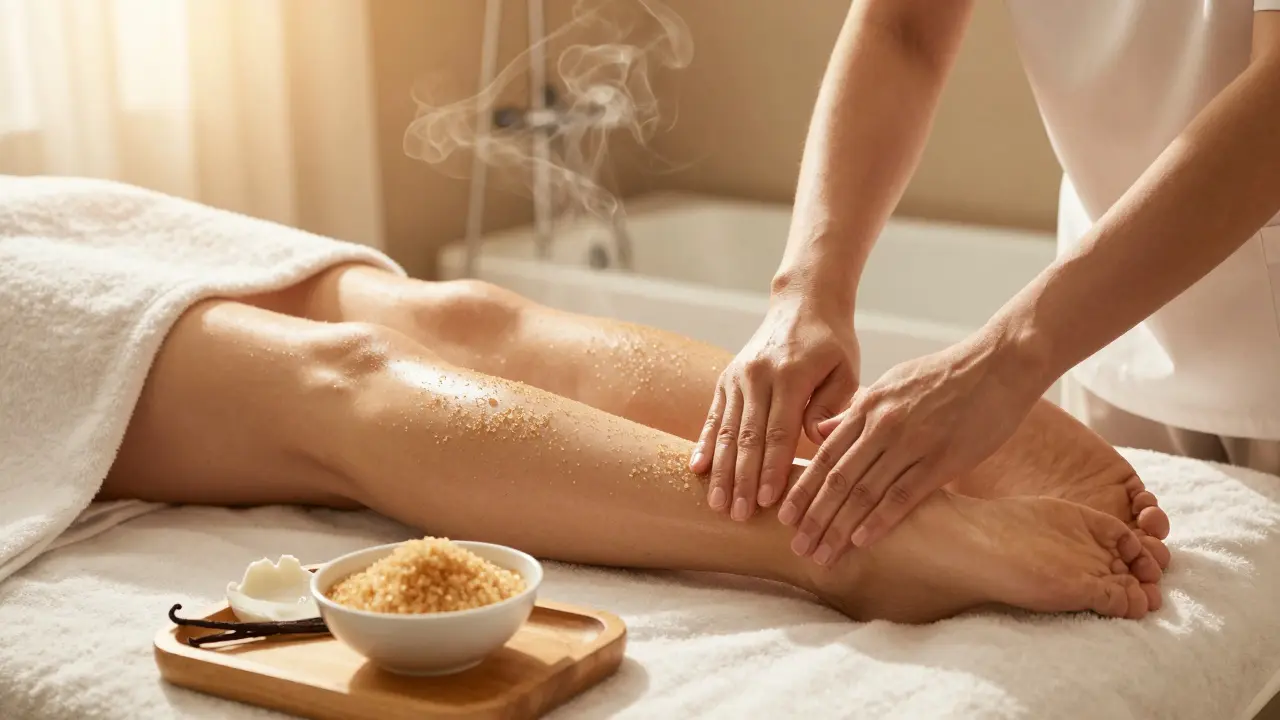
When you get a professional body scrub, the therapist applies the mixture in circular motions, usually starting from your feet and working upward. The pressure is firm but not painful. The scrubbing action stimulates blood flow, which helps deliver oxygen and nutrients to the skin’s surface. Afterward, you’re rinsed off, and your skin is often moisturized with a rich oil or lotion.
Think of it like cleaning a dusty window. You’re not just wiping the surface-you’re removing the buildup so light can shine through again. That’s why your skin looks brighter and feels softer after a scrub. It’s not magic. It’s biology.
What Does a Massage Actually Do?
A massage is a hands-on therapy designed to release tension in your muscles and connective tissues. Whether it’s Swedish, deep tissue, or hot stone, the goal is the same: to calm your nervous system and loosen tight spots.
When you’re stressed, your body releases cortisol. That hormone keeps your muscles tense, even when you’re not doing anything physical. A massage lowers cortisol levels and increases serotonin and dopamine-the chemicals that make you feel calm and happy. Studies from the Journal of Clinical Psychiatry show that just one 60-minute massage can reduce stress hormone levels by up to 31%.
It also helps with pain. If you sit at a desk all day, your shoulders might feel like concrete. If you run or lift weights, your quads and hamstrings might ache. A massage breaks up knots, improves flexibility, and speeds up recovery. It’s not just a luxury-it’s a recovery tool.
Benefits of a Body Scrub
- Smother skin: Removes rough patches on elbows, knees, and heels-areas that often get ignored in daily showers.
- Better absorption: After scrubbing, your skin can absorb moisturizers and serums up to 20% more effectively, according to dermatologists.
- Reduces ingrown hairs: Especially helpful for people who shave or wax regularly. Scrubbing clears the path for hair to grow out smoothly.
- Boosts circulation: The physical motion of scrubbing increases blood flow, giving your skin a natural glow.
- Detoxifies: While your skin doesn’t "detox" like your liver, removing dead cells and impurities helps pores breathe better.
Real talk: I used to have dry, flaky skin on my legs after shaving. No lotion helped. Then I tried a salt scrub twice a week. Within three weeks, my skin looked and felt completely different. No more patches. No more embarrassment in shorts.
Benefits of a Massage
- Reduces chronic pain: People with lower back pain, migraines, or arthritis report significant relief after regular sessions.
- Improves sleep: A 2022 study in Complementary Therapies in Clinical Practice found that massage improved sleep quality in 80% of participants.
- Lowers blood pressure: Just one session can reduce systolic pressure by 5-10 mmHg.
- Boosts immunity: Research from Cedars-Sinai Medical Center showed massage increases white blood cell count, helping your body fight illness.
- Relieves anxiety: The rhythmic pressure activates your parasympathetic nervous system-the "rest and digest" mode.
One client told me she started getting weekly massages after her divorce. "It was the only thing that made me feel safe in my own body again," she said. That’s the real power of touch.
Types of Body Scrubs Available
Not all scrubs are the same. The base ingredient changes everything.
- Sugar scrubs: Gentle, ideal for sensitive skin. Sugar granules dissolve slightly as you scrub, so they’re less abrasive.
- Salt scrubs: More intense. Great for oily skin or thick calluses. Sea salt has minerals that can soothe inflammation.
- Coffee scrubs: Caffeine tightens skin and reduces puffiness. Popular for cellulite-prone areas.
- Ground nut or seed scrubs: Like almond or oatmeal. Soothing for eczema or irritated skin.
- Enzyme scrubs: Use fruit enzymes (like papaya or pineapple) instead of physical grains. Best for sensitive or acne-prone skin.
Most spas offer a choice. If you’re unsure, ask for a sugar scrub first-it’s the most universally tolerated.
Types of Massages Available
Just like scrubs, massages vary in pressure and technique.
- Swedish massage: Light to medium pressure. Long strokes, kneading, circular movements. Perfect for relaxation.
- Deep tissue: Focused pressure on deeper muscle layers. Good for chronic tightness or injury recovery.
- Hot stone: Smooth heated stones are placed on key points and used to massage. Deeply soothing.
- Thai massage: Combines pressure points and stretches. Done on a mat, fully clothed.
- Myofascial release: Targets the connective tissue around muscles. Helps with mobility and pain.
If you’ve never had a massage before, start with Swedish. It’s the gateway drug to relaxation.
What to Expect During a Body Scrub Session
You’ll usually lie on a massage table or in a shower stall. The therapist applies the scrub in slow, circular motions, covering your arms, legs, back, and sometimes chest. It’s not a quick rub-down-it takes 15 to 20 minutes. You might feel a little tingly or warm, especially if the scrub has peppermint or ginger. That’s normal.
After scrubbing, you’ll rinse off under warm water. Then, you’re wrapped in a towel and given a moisturizer-often with a light fragrance. You’ll feel instantly smoother, but the glow kicks in later, after your skin rehydrates.
What to Expect During a Massage Session
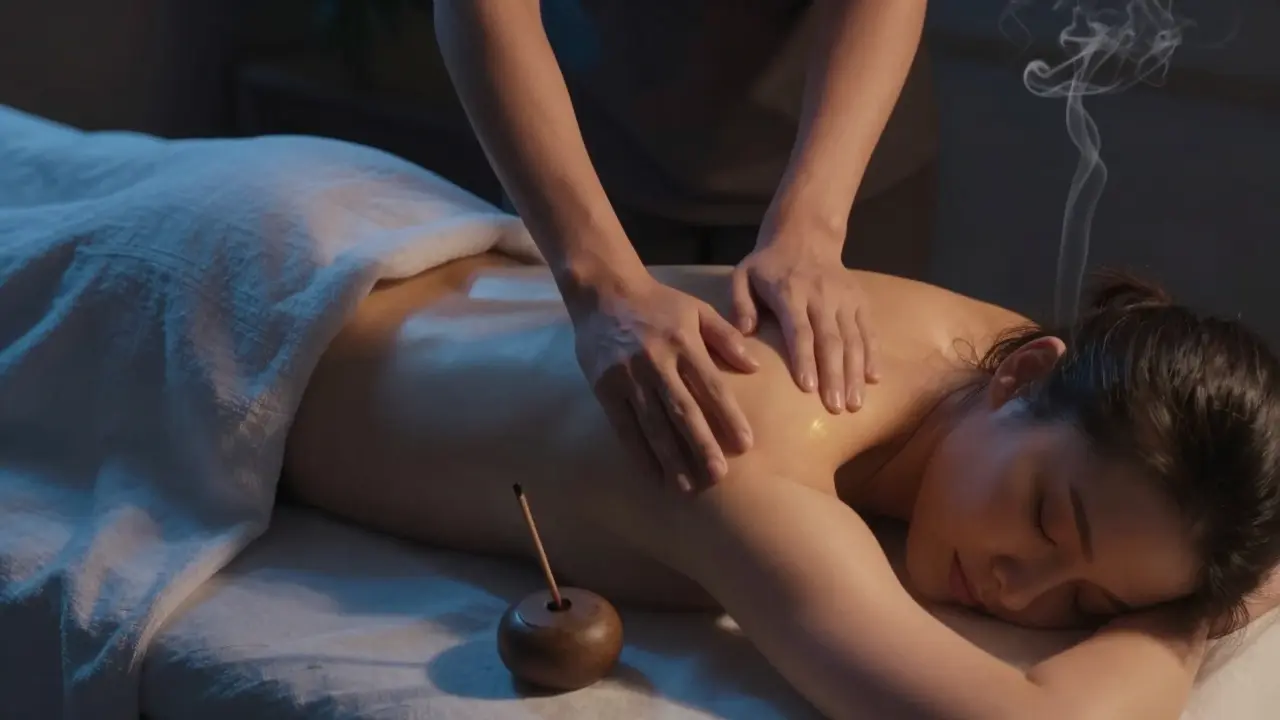
You’ll lie on a table, covered with a sheet. The therapist leaves the room while you undress to your comfort level. Most people keep underwear on. The massage begins with light strokes to warm up your muscles, then moves into deeper work.
You might feel some discomfort during deep tissue work, but it shouldn’t hurt. If it does, speak up. Good therapists adjust pressure on the spot. Afterward, you’ll feel loose, heavy, and calm. Some people feel a little lightheaded-drink water and take it slow getting up.
Body Scrub vs Massage: The Comparison
| Feature | Body Scrub | Massage |
|---|---|---|
| Primary Target | Outer layer of skin | Muscles and nervous system |
| Duration | 15-25 minutes | 30-90 minutes |
| Best For | Dull, rough, dry skin | Stress, muscle pain, tension |
| Immediate Effect | Softer, smoother skin | Relaxed muscles, calmer mind |
| Long-Term Benefit | Improved skin texture, fewer ingrown hairs | Lower stress hormones, better sleep, reduced pain |
| Frequency Recommended | Once or twice a week | Once a month for maintenance |
| Aftercare | Moisturize daily | Drink water, avoid strenuous activity |
Can You Do Both Together?
Yes-and you should. Many high-end spas offer a "scrub and soak" or "scrub and massage" package. Here’s why it works: the scrub opens up your skin’s surface, making it more receptive to the oils used in the massage. The massage then helps your body fully relax, letting the benefits of the scrub sink in deeper.
Imagine your skin as a sponge. A scrub cleans it out. A massage hydrates and relaxes it. Do one without the other, and you’re only getting half the story.
When to Choose One Over the Other
Choose a body scrub if:
- Your skin feels rough or flaky
- You’re planning to wear a swimsuit or dress
- You shave or wax regularly
- You want that instant glow
Choose a massage if:
- You’re carrying stress in your shoulders or neck
- You’ve been sitting or standing all day
- You’re recovering from a workout or injury
- You need to sleep better or calm your mind
If you’re unsure? Go with what your body is screaming for. If your skin is itching and your muscles are tight? Book both.
FAQ: Your Questions About Body Scrubs and Massages Answered
Can I do a body scrub at home?
Absolutely. You can make a simple scrub with brown sugar and coconut oil. Just mix 1 cup of sugar with ½ cup of oil, and scrub gently in the shower. Don’t do it more than twice a week-over-exfoliating can damage your skin barrier. Skip scrubs if you have open cuts, sunburn, or active eczema.
Does a body scrub remove tan?
It can lighten a fake tan slightly, especially if it’s old or uneven. But it won’t remove a real sun tan. If you’ve just gotten a spray tan, wait at least 48 hours before scrubbing. Otherwise, you’ll wipe it off too soon.
How often should I get a massage?
For general stress relief, once a month is ideal. If you’re dealing with chronic pain or high stress, once a week for 4-6 weeks, then taper to every two weeks. Athletes often get massages twice a week during training season. Listen to your body-if you feel tighter or more tense, it’s time.
Is a body scrub safe during pregnancy?
Yes, but with caution. Avoid scrubs with strong essential oils like peppermint, rosemary, or clary sage. Stick to sugar-based scrubs with simple ingredients like olive oil or shea butter. Always check with your OB-GYN first, especially in the first trimester.
Can a massage help with cellulite?
It can temporarily improve the appearance by increasing circulation and reducing fluid retention, but it won’t eliminate cellulite. For lasting results, combine massage with strength training and healthy eating. Some people pair it with a coffee scrub for extra firming effects.
Final Thought
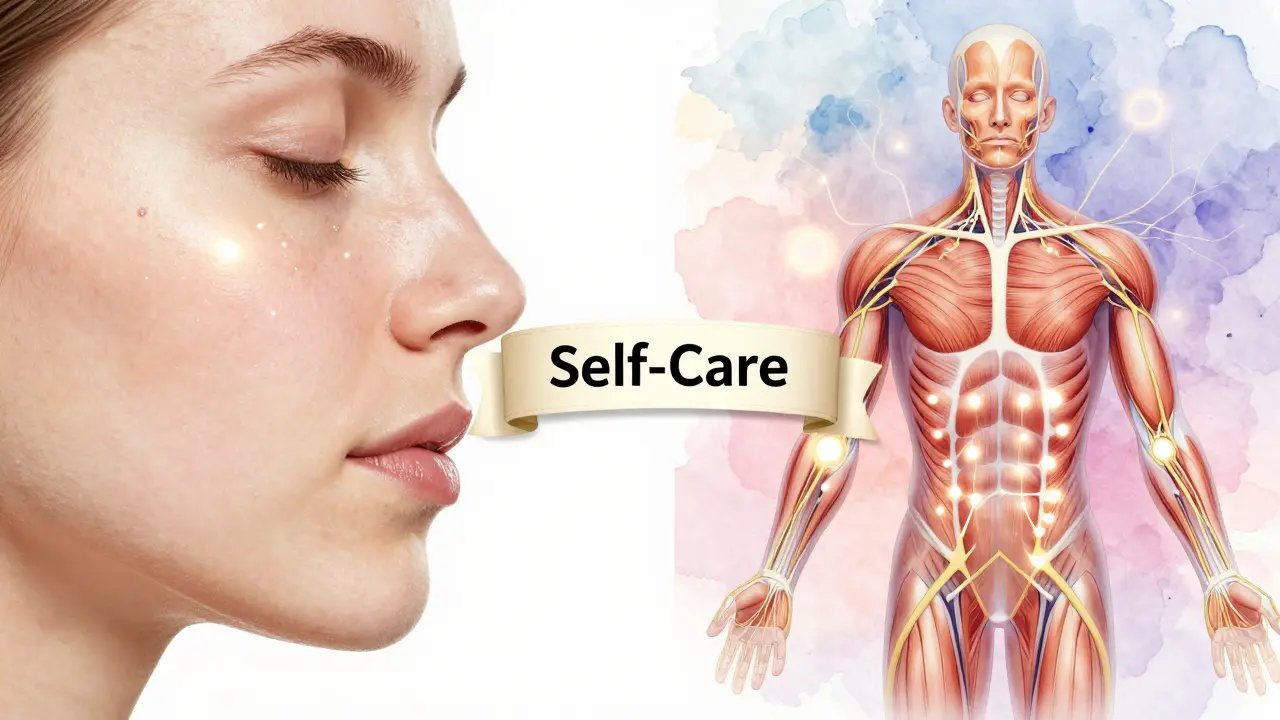
There’s no winner here. A body scrub doesn’t beat a massage. They’re not rivals-they’re teammates. One cleans the outside. The other heals the inside. If you only ever do one, you’re missing half the picture. Try them together once. Feel the difference in your skin. Feel the difference in your breath. That’s not just pampering. That’s self-care done right.





January 16, 2026 AT 17:40
It's funny how we treat our skin and our muscles like they're separate systems. But they're not. Your skin feels the stress your muscles hold. A scrub feels like a reset. A massage feels like a release. Doing both? That's not luxury. That's listening.