
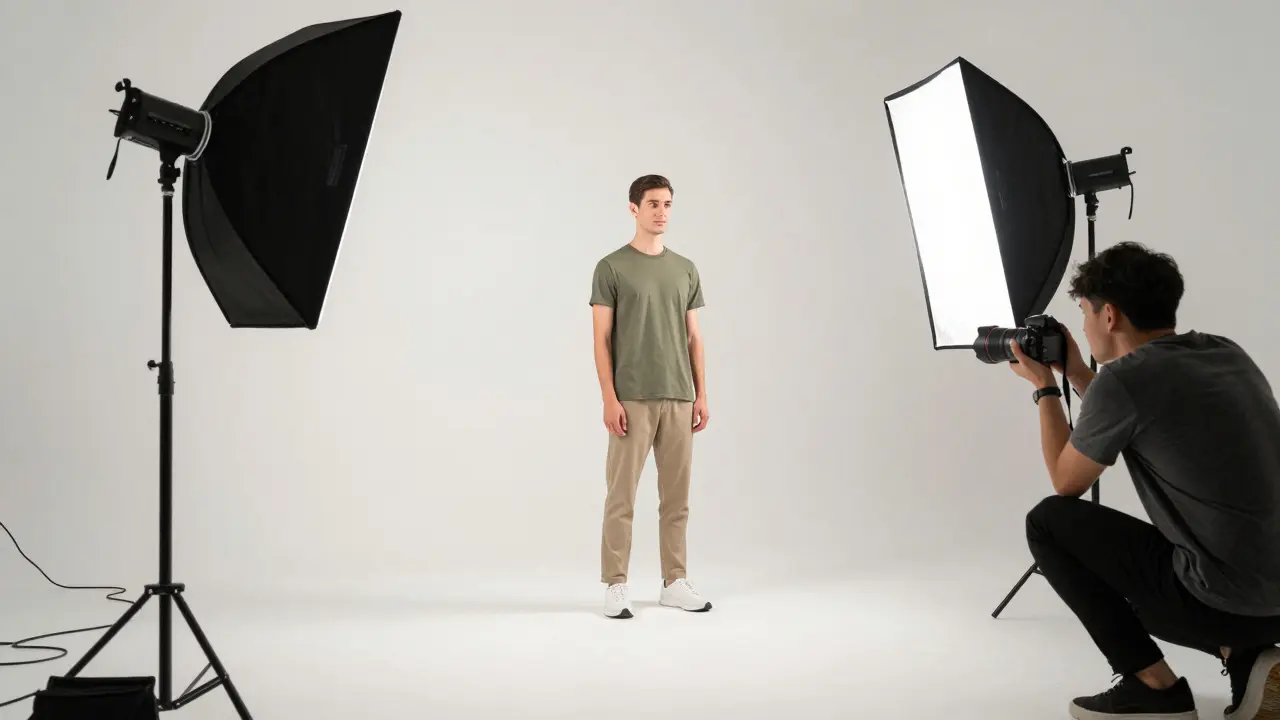
You see them everywhere-glossy billboards in Downtown Dubai, scrolling past on your Instagram feed, or filling magazine racks in luxury hotels. But have you ever stopped to think about what actually goes into creating those perfect images? Behind every stunning shot lies a model photoshoot, a structured event that blends artistry, commerce, and strategy. If you are stepping into the spotlight for the first time, understanding this process is key to protecting yourself and getting the best results.
A lot of people confuse taking pictures with having a professional session done right. There is a massive difference between snapping selfies in your living room and orchestrating a shoot designed to sell a product or build a career. In this guide, we break down exactly what happens during these sessions, why brands pay top dollar for them, and how you can prepare regardless of whether you are an aspiring model or a brand owner looking to invest in visual content.
The Core Definition and Purpose
So, what is the actual definition of this industry staple? Simply put, it is a scheduled session where a model poses for a camera under the direction of a creative team. It is not just about standing still; it is a performance. You might hear industry veterans refer to this as a "booking" or a "session." The primary goal usually falls into two camps: building a personal portfolio for representation, or creating assets for marketing campaigns.
Model Photoshoot is a professional photography session involving a model posing for promotional or artistic purposes. Commonly used in fashion advertising, beauty campaigns, and social media content creation, it requires coordination between photographers, stylists, and clients.Why does this matter to you? If you are pursuing a career in modeling, these images are your resume. Without high-quality digital proofs, agencies won't know what you look like in professional light. For brands, these images drive sales. Think about the last time you bought something because the photo looked good on your phone-that was likely the result of a calculated shoot in a studio or location setting.
Common Types of Shoots You Will Encounter
Not all shoots are created equal. Walking into a meeting, you need to know what type of project you are agreeing to. In Dubai, you might encounter everything from high-end commercial work for luxury automotive brands to artistic editorial projects for lifestyle magazines. Each has different lighting setups, mood requirements, and deliverables.
- Commercial Shoots: These are focused on selling products. The lighting is soft, the background clean, and the focus is entirely on the item being held or worn. You act as the canvas for the product.
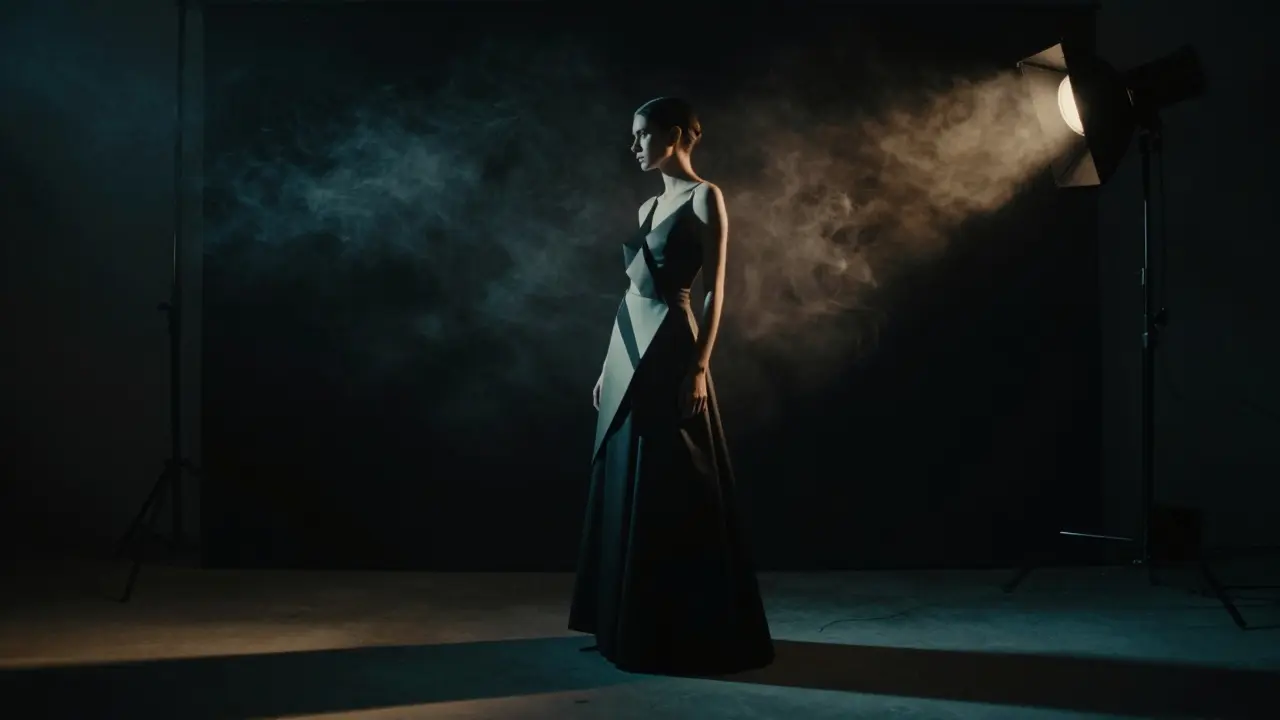
- Editorial Shoots: Found in magazines or online features, these tell a story. The lighting might be dramatic, shadows are used intentionally, and the poses are more dynamic. It is about art rather than direct sales.
- Portfolio Shoots: Also known as "book shoots," these help models get signed. They are often done on a trade-for-print basis (TFP), meaning no money changes hands, but everyone gets content.
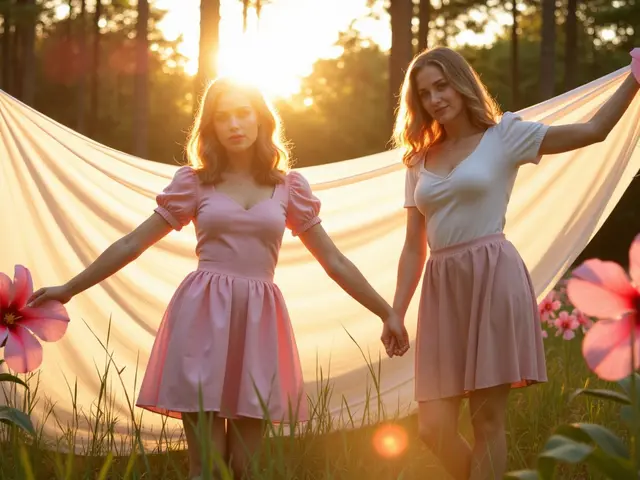
- Lifestyle Shoots: Very popular for social media influencers. These aim to look candid and natural, often shot outdoors in locations like the Jumeirah Beach or business districts in Marina.
Understanding the distinction helps you prepare mentally. A commercial shoot demands precision; an editorial shoot demands creativity. Misunderstanding the brief can ruin a day's work.
Preparing for the Session
Success starts long before you arrive at the studio. Preparation is the secret weapon that separates amateurs from professionals. You need to manage three critical areas: your physical presentation, your wardrobe choices, and your mental readiness.
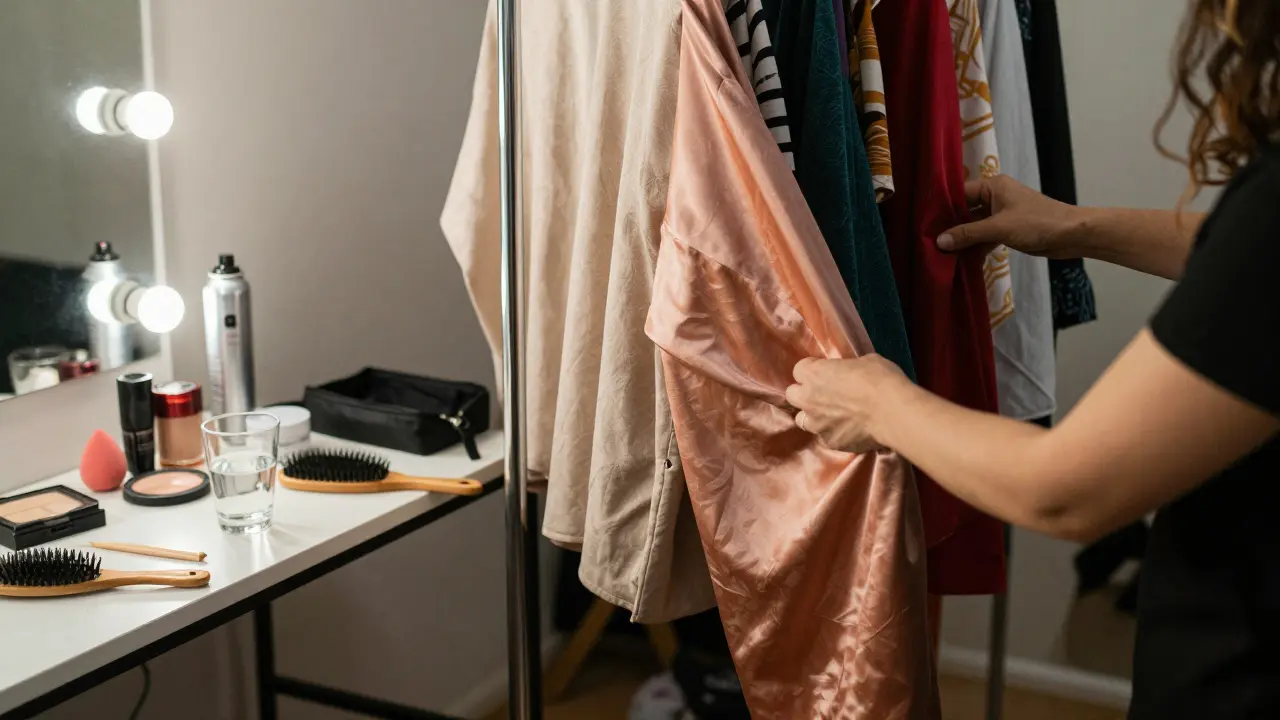
Wardrobe plays a crucial role in the aesthetic outcome. Models often bring multiple outfits that reflect different moods, ensuring color palettes match the intended style guide. Neutral tones often photograph better for test shots, while bold colors pop in commercial settings.Skin care is non-negotiable. Hydrated skin reflects light beautifully. If you plan to go heavy on makeup, remember that the HD cameras we use today capture every pore. It is often better to arrive fresh-faced and let the makeup artist (MUA) handle the finish. Speaking of artists, knowing who else is on set helps reduce anxiety. You will likely work alongside a hair stylist and potentially a retoucher later in the post-production phase.
How to Find the Right Creative Team
Finding a reputable photographer or agency is the next hurdle. In a competitive market, scams exist. Always check for proof of previous work. You should see a portfolio that shows consistency. If you are looking in Dubai, checking reviews on platforms dedicated to local services can give you a heads-up on professionalism.
Photographer directs the creative vision. A skilled photographer understands lighting ratios, composition, and how to direct subjects effectively. They collaborate closely with the model to extract natural expressions rather than stiff poses.Avoid paying large deposits upfront without a contract. Legitimate professionals provide clear terms regarding usage rights. Are they allowed to use your image for their own portfolio? Can they sell the photos to third parties? These details belong in your agreement before you step onto the set. A verbal agreement rarely holds up if disputes arise.
What Happens During the Actual Shoot?
Once you walk into the studio, the environment is controlled. You will likely encounter various equipment that defines the look. Lighting is the most critical technical element. Large softboxes create gentle shadows suitable for beauty work, while hard lights might be used for edgy fashion statements.
Studio Lighting controls the mood. Standard gear includes strobes, continuous LED panels, modifiers like umbrellas, and reflectors. Proper lighting can change a model's shape perception and hide imperfections without digital editing.The photographer will guide your movement. They might ask you to "give me a smile with your eyes" or "turn your shoulder slightly." It sounds simple, but small adjustments make a huge difference. Don't be afraid to ask for a break if you need to reset. Even professional supermodels take moments to rest and hydrate between blocks of shooting.
Pricing and Budget Considerations
Money talk can be awkward, but it must happen early. Costs vary wildly depending on the scope. A basic headshot session might cost a few hundred dirhams, while a full campaign involving a crew, hair, makeup, and a retoucher can run into tens of thousands. Always clarify if the price includes usage fees. Some photographers charge less for the day rate but much more for the rights to use the image in a national ad campaign.
If you are a client hiring a model, rates depend on exclusivity and the medium. A billboard shoot commands a higher fee than a website banner. Transparency prevents resentment later. Write everything down. Ambiguity leads to unpaid bills or stolen images.
Safety Tips and Red Flags
This point cannot be stressed enough. Whether you are a model or the client, safety comes first. Always meet in a public studio or bring a chaperone if you are unfamiliar with the photographer. Do not accept private meetings at someone's home unless it is a well-known studio facility.
Contract protects both parties. Legal documents should specify payment terms, cancellation policies, and image usage rights. Having a written agreement ensures there are no misunderstandings about deliverables or compensation.If you feel uncomfortable at any point, stop the shoot immediately. Professional photographers understand boundaries. Never sign away rights to photos you do not want them to own permanently. In many jurisdictions, you retain copyright unless explicitly transferred via written contract. Knowing this law empowers you.
| Type | Primary Goal | Typical Duration | Cost Range |
|---|---|---|---|
| Portfolio | Build Resume | 1-2 Hours | Free to Low |
| Commercial | Sell Products | 4-8 Hours | High |
| Editorial | Magazine Feature | Full Day | Medium to High |
| Test/TFP | Creative Practice | 2-4 Hours | Trade Based |
Frequently Asked Questions
Do I need a modeling agency to book a shoot?
No, independent models book shoots directly with photographers or brands constantly. Agencies help negotiate contracts, but you can start building experience on your own through collaborative projects.
How many photos do I get from one session?
It varies, but typically you receive between 20 to 50 edited images per hour of shooting. Always discuss the delivery number beforehand so you know what to expect.
Can I edit the photos myself afterwards?
Usually, yes, if it is for personal use. However, if the images are part of a paid commission, the contract dictates who owns the final retouched file. Ask for the raw files if you intend to edit them.
Is nudity allowed during a commercial shoot?
Strictly speaking, commercial work involves clothing to represent the product. Nudity is rare and usually reserved for high-fashion editorial contexts, requiring explicit consent and legal protection.
What should I wear for my first audition?
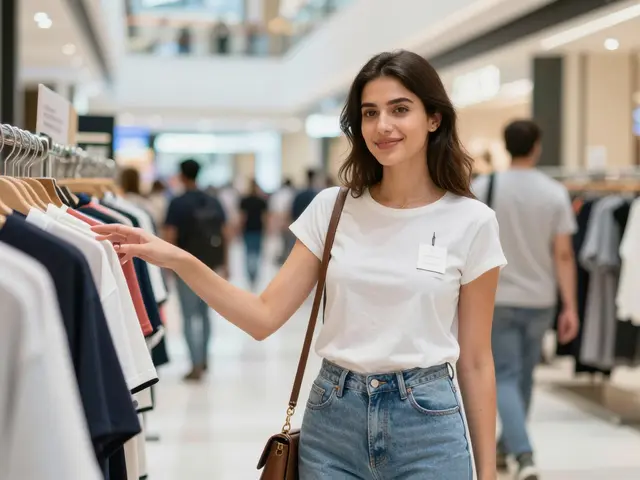
Simple basics like a white tank top and jeans work best. Solid colors allow casting directors to focus on your proportions and bone structure without distraction from patterns or logos.
Wrapping Up Your Career Path
Navigating this industry requires patience and knowledge. By understanding the mechanics behind the lens, you gain leverage. You know what to ask for, what to expect, and how to protect your image rights. Whether you are building a portfolio in Deira or launching a fashion line in DIFC, the principles remain the same.
Treat every model photoshoot as a partnership. When everyone works together toward a clear vision, the results shine through. Keep your standards high, verify credentials, and focus on the long-term value these images bring to your career. With the right approach, you turn a camera session into a career milestone.


March 29, 2026 AT 18:04
The average person simply cannot comprehend the depth required for high fashion work 🙄. Real modeling demands an elite understanding of lighting physics and aesthetic composition. Most online guides miss the subtle nuances of luxury branding entirely. One must appreciate that commercial viability requires a certain level of pedigree to execute properly ✨. It is disheartening to see such trivialized information circulating without credit. We need more sophistication in our discourse surrounding visual arts 😌.