
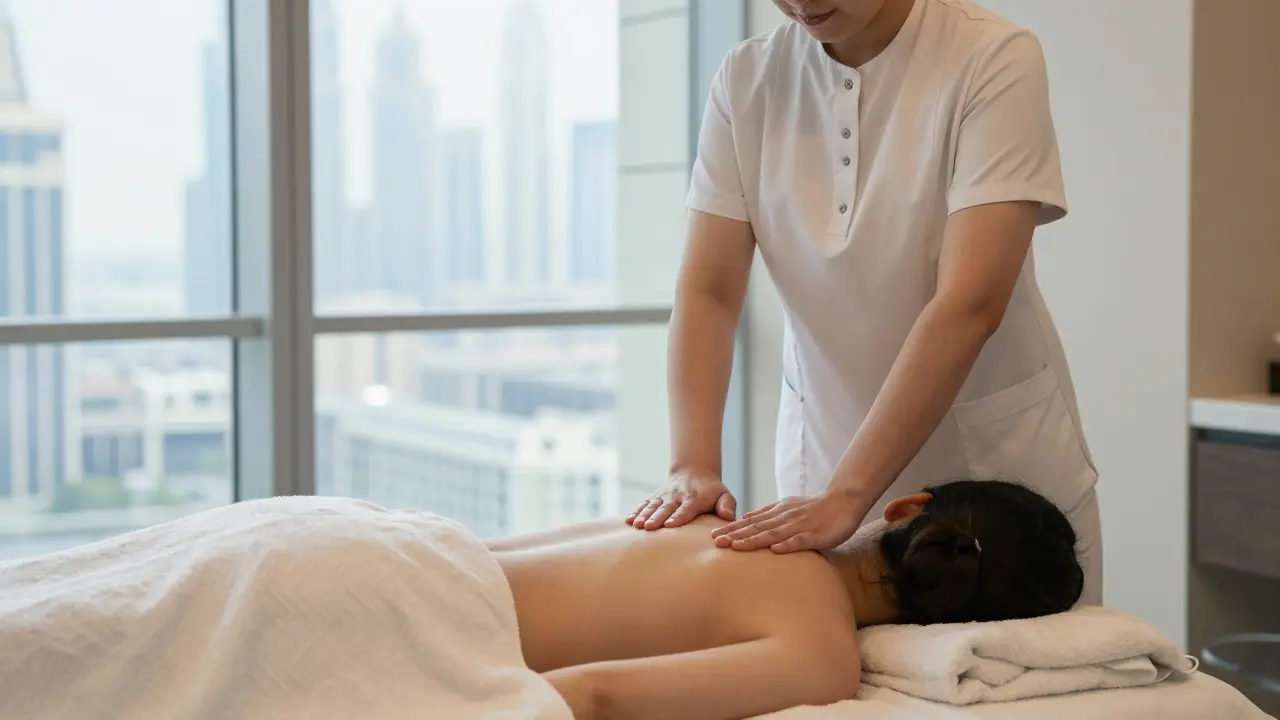
When considering a massage in Dubai, understanding Massage Therapy in Dubai is a regulated practice governed by the Dubai Health Authority (DHA) to ensure client safety and cultural appropriateness. is crucial. This isn't just about relaxation-it's about respecting local laws and professional standards. Many travelers and locals assume massage is purely physical, but in Dubai, boundaries exist for good reason. Let's cut through the confusion and clarify what's allowed-and what's absolutely off-limits.
Key Takeaways
- Genital areas, breasts (except for specific medical treatments), and private zones are strictly off-limits during professional massages in Dubai.
- Dubai Health Authority (DHA) requires licensed therapists to maintain proper draping and avoid any intimate contact.
- Cultural norms in the UAE emphasize modesty, so even therapeutic massages avoid sensitive areas unless medically necessary.
- Always verify a therapist's DHA license before booking-unlicensed providers risk breaking UAE laws.
- If a therapist crosses boundaries, report them immediately to the spa or DHA hotline.
What Areas Are Off Limits During a Massage in Dubai?
Picture this: you're lying on a massage table, relaxed, when suddenly the therapist shifts toward your lower back. Wait-do they have permission to touch there? In Dubai, the answer is clear. Professional massage therapists never touch genital areas, breasts (unless part of a medically supervised treatment like post-mastectomy care), or any private zone unrelated to the therapy. Why? Because UAE laws and DHA regulations treat these areas as strictly off-limits. Even if you request it, a licensed therapist will refuse. This isn't about shyness; it's about legality and safety. In Dubai, violating these boundaries could lead to criminal charges under UAE Penal Code Article 356, which prohibits "indecent acts."
Why These Boundaries Exist in Dubai
Think of Dubai as a city that blends modernity with deep-rooted cultural values. Public modesty is non-negotiable here. While spas might feel luxurious, they operate under strict rules mirroring UAE society's norms. For example, public displays of affection are illegal, and even in private settings like spas, therapists must maintain professional distance. The DHA enforces this through mandatory training: every licensed therapist learns about cultural sensitivity, client consent protocols, and legal consequences of boundary violations. This isn't arbitrary-it's about protecting both clients and therapists. Remember, massage isn't a "free-for-all" in Dubai; it's a regulated health service with clear ethical guidelines.
What to Expect During a Professional Massage Session
Ever wonder how therapists keep things professional? It's all about draping. Before your session starts, the therapist will leave the room so you can undress and cover yourself with towels. Only the area being massaged-like your back or legs-will be uncovered. If you're getting a full-body massage, they'll work on one section at a time. For instance, if they're massaging your shoulders, your torso and legs stay covered. This isn't just tradition; it's a DHA requirement. Also, therapists will always ask before adjusting your position. No sneaky moves. If they touch an area you didn't agree to, that's a red flag. Your comfort is the priority, and you have the right to stop the session anytime.
How to Choose a Reputable Massage Provider in Dubai
Not all spas in Dubai are created equal. To avoid trouble, always check for Dubai Health Authority (DHA) licensing first. Legitimate spas display their DHA license number prominently-usually on their website or at reception. You can verify it online via the DHA portal. Also, look for reviews mentioning "professional," "respectful," or "clear boundaries." Avoid places with vague descriptions like "sensual" or "intimate" in their ads. Real spas focus on therapeutic benefits, not vague promises. For example, The Ritz-Carlton Spa Dubai is DHA-certified and follows strict protocols for client safety. Their therapists undergo annual DHA training, so you know exactly what to expect.
Safety Tips for Clients
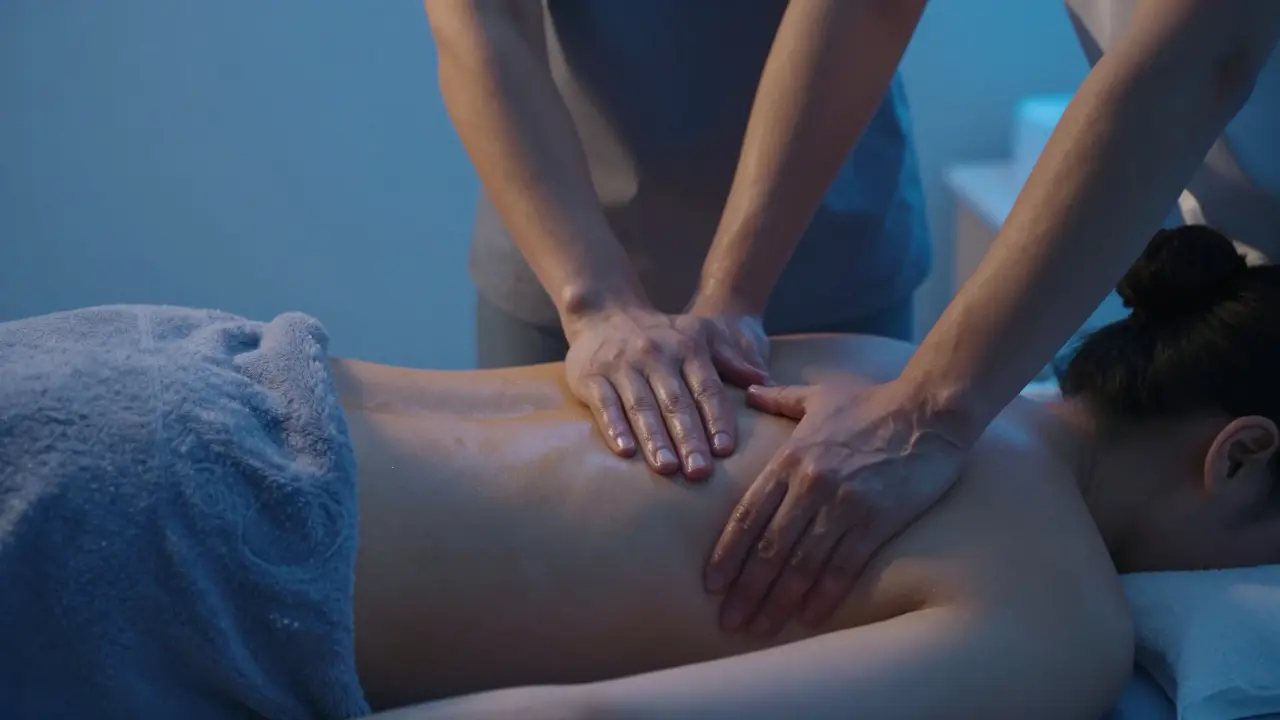
Here's a simple rule: if something feels off, trust your gut. Before your session, ask the therapist: "What areas will you be working on?" A professional will list them clearly-like "upper back," "calves," or "shoulders." If they hesitate or say "everything," that's a warning sign. Also, never agree to undress completely unless the spa explicitly states it's required (which it rarely is). Most sessions use towels for modesty. If the therapist touches an area you didn't consent to, say "stop" immediately. Then, report them: call the DHA hotline at 800 346 or ask the spa manager for a complaint form. Remember, you're in control. No therapist in Dubai can pressure you into anything.
Common Misconceptions About Massage Boundaries
Let's debunk some myths. First, "all massages in Dubai are sexualized"-false. Licensed spas focus on health and wellness, not intimacy. Second, "if you pay extra, they'll do whatever you want"-also false. UAE law bans any sexual contact during massages, regardless of payment. Third, "therapists can touch breasts for deep tissue work"-nope. Breast tissue is off-limits unless it's a specialized medical treatment, which isn't offered in standard spas. Even then, it would require a doctor's referral and a female therapist. Finally, "if you're in a private room, boundaries don't matter"-wrong. Privacy doesn't override DHA rules. A therapist breaking these rules could lose their license or face jail time. Stay informed: what's "off-limits" isn't a secret-it's written in UAE law.
FAQ: Your Questions About Massage Boundaries in Dubai
Are there any exceptions to the off-limits rules in Dubai?
No exceptions exist for standard spa massages. Even for therapeutic reasons, licensed therapists avoid genital and breast areas. Medical treatments involving these zones (like post-surgery recovery) require a doctor's referral and are handled in clinical settings-not regular spas. Always ask if a service is medically supervised before agreeing.
How can I verify a massage therapist's license in Dubai?
Check the spa's DHA license number online via the Dubai Health Authority website. Legitimate spas display this number clearly. You can also ask to see the therapist's personal DHA certification-it should include their photo and expiration date. If they can't provide it, walk out.
What happens if I request a massage that includes off-limits areas?
A licensed therapist will refuse politely. They're trained to say "no" to maintain professionalism and legal compliance. If they agree, that's a major red flag-they're likely unlicensed or operating illegally. Report them immediately to the DHA. Remember: your safety matters more than "getting your way."
Can I get a massage during Ramadan in Dubai?
Yes, but timing matters. Most spas operate normally during Ramadan, though some may adjust hours. However, boundaries remain unchanged-therapists still avoid off-limits areas. If you're fasting, inform your therapist; they can adjust pressure or duration to avoid discomfort. Always book in advance, as demand increases during this holy month.
Are male therapists allowed to massage female clients in Dubai?
Yes, but only in specific cases. Most reputable spas assign therapists based on client preference. If you're female, you can request a female therapist for full-body sessions. However, male therapists can work on female clients for non-sensitive areas like the back or legs, with proper draping. Always confirm the therapist's gender beforehand to avoid surprises. DHA rules require clear communication about this.





February 5, 2026 AT 08:03
So important to know the rules before booking! 😊