
Key Points
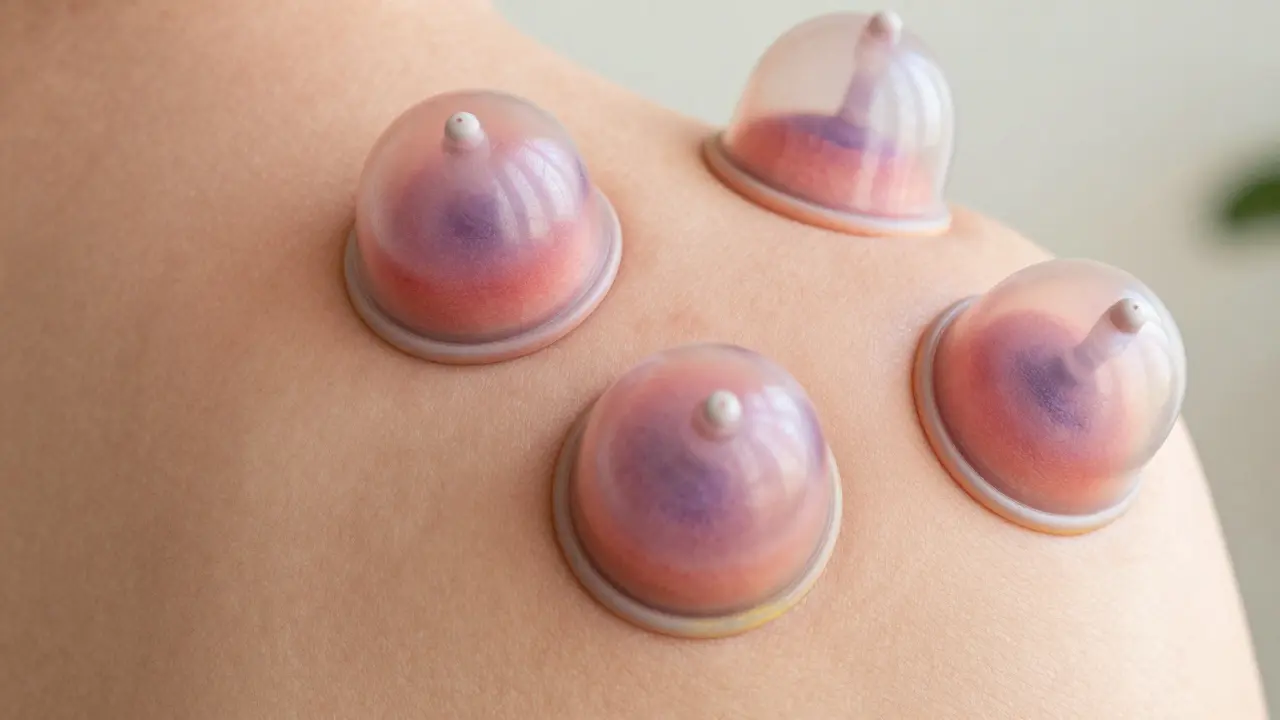
- Cupping therapy can cause circular bruises that last for days or weeks.
- Improper technique may lead to burns, skin infections, or dizziness.
- Not suitable for people with bleeding disorders, skin cancer, or severe eczema.
- Wet cupping carries higher infection risks than dry cupping.
- Always check practitioner credentials and hygiene standards before booking.
Direct Answer
Yes, there are downsides to cupping. While many people enjoy the relief it brings, the most common issue is the distinct circular bruising that marks your skin. Beyond the marks, you might experience temporary dizziness, nausea, or skin irritation. In rare cases, poor hygiene can lead to infections or burns from the heat used in fire cupping. It is not a one-size-fits-all treatment, and certain health conditions make it unsafe for you.
Comprehensive Guide to Cupping Therapy Downsides
You have likely seen those circular marks on athletes' backs during the Olympics. It looks intense, right? That is Cupping Therapy, an ancient practice gaining massive popularity today. People flock to spas and clinics for pain relief, stress reduction, and better blood flow. But before you book your first session, you need to know what you are getting into. It is not just relaxation; it is a medical procedure that pulls your skin and tissue upward.
We often hear about the benefits, but the risks are rarely discussed in the marketing materials. You deserve to know the truth. Is it safe? Can it hurt you? What happens if the therapist makes a mistake? In this guide, we break down every potential downside so you can make an informed decision about your body.
Definition and Context
So, what exactly is happening during a session? Cupping Therapy is a form of alternative medicine where suction is created on the skin. Practitioners place glass, bamboo, or silicone cups on specific areas of your body. They use heat or a pump to create a vacuum. This suction pulls the skin and muscle tissue into the cup.
The goal is to increase blood flow to that area. It is based on the principles of Traditional Chinese Medicine, which believes it moves "qi" or energy. However, modern science views it as a deep tissue massage that stimulates the lymphatic system. While the theory varies, the physical effect on your skin is the same: suction creates pressure.
Common Side Effects and Risks
Let's talk about the visible stuff first. The circular marks are not bruises in the traditional sense, but they look exactly like them. They are caused by broken capillaries under the skin. For some, these marks fade in a few days. For others, they linger for weeks. If you have an important event coming up, this is a major downside to consider. You cannot hide these marks easily.
Beyond the marks, you might feel dizzy or lightheaded during the session. This is common if you have not eaten recently or if the suction is too strong. Some people report nausea or vomiting immediately after the treatment. It is a shock to the system. Your body is reacting to the sudden change in pressure and blood flow.
Then there is the risk of skin irritation. If you leave the cups on too long, you can get blisters. Imagine having suction cups stuck to your back for 20 minutes. If the therapist does not monitor the time, your skin can react badly. In severe cases, this leads to scarring. You want relief, not permanent damage.
Infection is another serious concern. This is particularly true for wet cupping. If the tools are not sterilized properly, bacteria can enter your bloodstream. We are talking about hepatitis or other blood-borne illnesses. It sounds scary, but it happens when hygiene standards are ignored. Always ask if they use single-use needles and sterilized cups.
Types of Cupping and Their Specific Risks
Not all cupping is the same. The risks change depending on the method used. Understanding the difference helps you assess your comfort level.
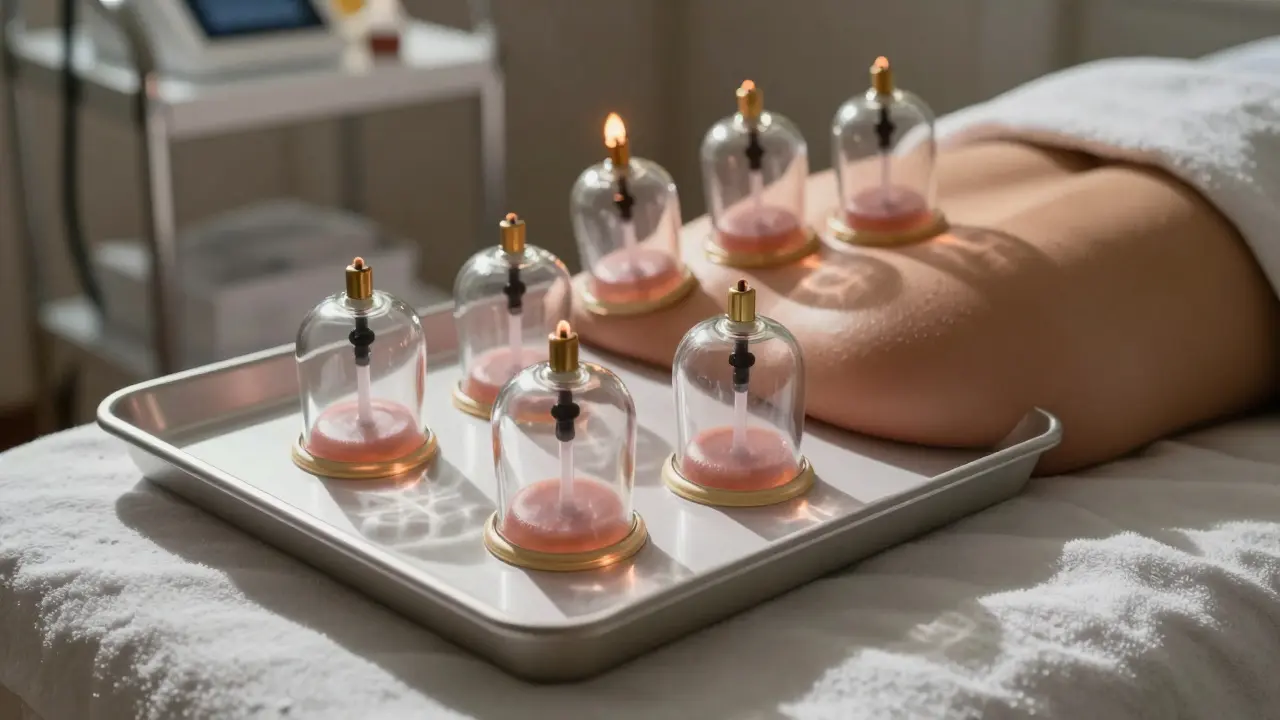
- Dry Cupping: This is the standard method. Cups are placed on the skin without breaking it. The risk here is mostly bruising and burns if fire is used to create suction.
- Wet Cupping: Also known as Hijama. The practitioner makes small cuts on your skin before applying the cups. This draws out a small amount of blood. The downside here is the risk of infection and slower healing time.
- Fire Cupping: Heat is used to create the vacuum. If the flame touches your skin, you get a burn. It requires a skilled practitioner to handle safely.
- Silicone Cupping: These are often used for self-care. They are safer but can still cause bruising if pulled too hard.
Who Should Avoid Cupping?
You might be excited to try it, but some people should stay away. If you have a bleeding disorder like hemophilia, cupping can be dangerous. The suction can cause bleeding that does not stop. Similarly, if you are taking blood thinners, the bruising will be much worse than normal.
Do not get cupping if you have active skin infections, open wounds, or severe eczema. The suction can spread the infection or tear the fragile skin. Pregnant women should avoid cupping on the abdomen or lower back. It can stimulate contractions, which is definitely not what you want during pregnancy.
If you have a pacemaker or other implanted electronic device, you need to be careful. The magnetic or electrical interference from some modern cupping devices could affect the device. Always consult your doctor before trying alternative therapies if you have chronic health issues.
How to Find Safe Services in Dubai
Living in Dubai, you have plenty of options. From high-end spas in DIFC to wellness centers in Jumeirah, the choices are endless. But quantity does not mean quality. When looking for a therapist, check their credentials. Are they certified? Do they have a license from the Dubai Health Authority?
Visit the clinic before booking. Look at the hygiene. Are the cups sealed? Do they open new packages in front of you? If the cups look cloudy or dirty, walk away. A professional will explain the process and ask about your medical history. They should not hesitate to answer questions about safety.
Check reviews online. Look for comments about side effects. If multiple people mention burns or infections, that is a red flag. You want a place that prioritizes your safety over a quick profit.
What to Expect During a Session
When you lie down, the therapist will clean the area. They might apply oil to help the cups glide. Then comes the suction. You will feel a pulling sensation. It should not be painful, but it can feel tight. If it hurts, tell them immediately. They can adjust the pressure.
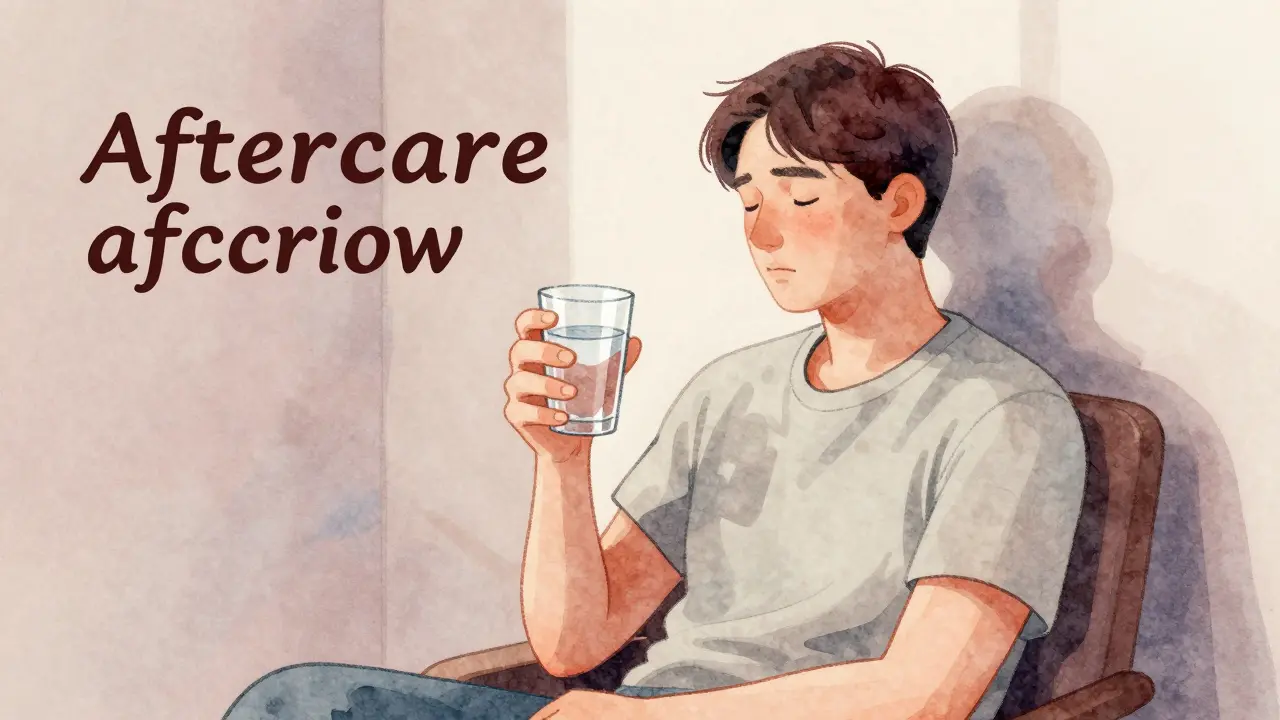
After the cups are removed, you will see the marks. The therapist might massage the area to reduce discomfort. You might feel tired afterward. It is common to need rest for a few hours. Drink plenty of water to help your body flush out toxins.
Pricing and Booking
Costs vary widely. In Dubai, a single session might range from 200 to 500 AED. Wet cupping often costs more due to the additional procedure. Some clinics offer packages for multiple sessions. Be wary of deals that seem too good to be true. Cheap treatments often cut corners on hygiene.
Booking is usually easy. Most clinics have online systems. When booking, mention any health conditions. This ensures they can prepare the right equipment and safety measures for you.
Safety Tips for Your Session
Protect yourself by following these simple rules. First, eat a light meal before your appointment. An empty stomach increases the risk of dizziness. Second, hydrate well. Your body needs water to recover from the suction. Third, wear loose clothing. You do not want tight fabric pressing on your fresh marks.
After the session, avoid intense exercise. Give your muscles time to heal. Do not take a hot shower immediately, as it can increase blood flow too much and worsen the bruising. Listen to your body. If you feel unwell, rest.
| Feature | Cupping Therapy | Massage Therapy |
|---|---|---|
| Primary Action | Suction on skin | Pressure and manipulation |
| Visible Marks | Yes, circular bruises | No marks |
| Healing Time | 3 to 10 days | Immediate relief |
| Infection Risk | Higher (especially wet cupping) | Very Low |
| Best For | Deep tissue stagnation | Relaxation and tension |
FAQ: Your Questions About Cupping Answered
Does cupping therapy hurt?
It should not be painful. You will feel a strong pulling sensation that can be uncomfortable. If it hurts, tell your therapist to reduce the suction. Pain is not necessary for the treatment to work.
How long do cupping marks last?
Marks usually fade within a few days. However, depending on your skin sensitivity and suction strength, they can last up to two weeks. They are essentially bruises, so they change color as they heal.
Is cupping safe for everyone?
No. People with bleeding disorders, skin cancer, or those on blood thinners should avoid it. Pregnant women should also avoid it on certain body parts. Always consult a doctor first.
Can cupping cause burns?
Yes, especially with fire cupping. If the practitioner is inexperienced, the flame or hot cup can burn the skin. Ensure they use modern pumps or have extensive training with fire methods.
What should I do if I get an infection?
Seek medical attention immediately. Do not ignore redness, pus, or fever after a session. These are signs of infection that need professional treatment to prevent complications.
Call to Action
Ready to try it? Make sure you choose a certified professional who prioritizes safety. Your health is worth more than a quick fix. If you are in Dubai, look for licensed clinics with good hygiene records. Take your time to research. If you decide to go ahead, listen to your body and communicate openly with your therapist. Relief is possible, but safety comes first.







March 26, 2026 AT 01:40
The part about bruises staying for weeks is important to know. I had a friend who got it and looked like she was in a fight. Safety should always come first before pain relief. It is good to see people talking about the risks more. I hope everyone stays safe out there. We should listen to the medical advice given here.