
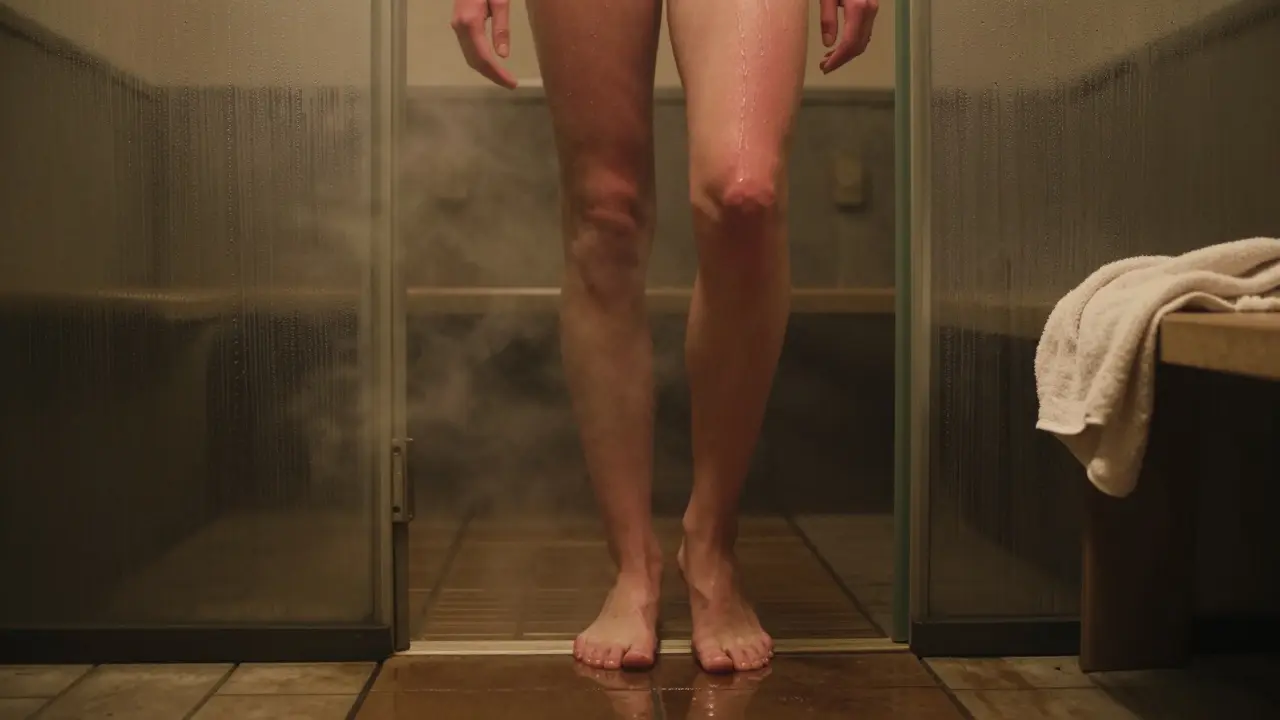
You’ve seen the ads: glowing skin, melted stress, detoxified body. Steam rooms promise relaxation like magic. But what if the steam is doing more harm than good? You might not realize it until your head spins, your skin burns, or you feel dizzy stepping out. This isn’t scare tactics-it’s reality. Millions use steam rooms without a second thought, but not everyone walks away unscathed. Let’s cut through the hype and talk about the real downsides-no sugarcoating.
Dehydration Is Faster Than You Think
You sit in a steam room, sweat pours down your back, and you feel like you’re flushing out toxins. But here’s the truth: you’re mostly losing water, not fat or poisons. A 15-minute session can make you lose up to a pound of water weight. That’s not fat loss-it’s dehydration. And it hits fast. You might not feel thirsty until it’s too late. People with kidney issues, diabetes, or those on diuretics are especially at risk. One woman in her 50s told me she passed out after her third session. She thought she was just "relaxing too hard." Turns out, her body couldn’t keep up with the fluid loss. Drink water before, during, and after. Not a glass. Two or three. And don’t rely on thirst as your signal.
It Can Worsen Certain Health Conditions
If you have low blood pressure, a steam room can make you feel lightheaded or even cause fainting. The heat dilates your blood vessels, which drops your blood pressure even further. People with heart disease, especially those with unstable angina or recent heart attacks, are told by doctors to avoid steam rooms entirely. The American Heart Association warns that extreme heat stresses the cardiovascular system. It forces your heart to work harder to cool you down. For someone with a weak heart, that’s dangerous. Same goes for asthma. The thick, moist air might feel soothing-but for some, it triggers bronchial spasms. One study in the Journal of Asthma found that 18% of asthma patients had worsened symptoms after steam exposure. If you have any chronic condition, talk to your doctor before stepping in.
Skin Irritation and Infections Are Common
Steam rooms are warm, wet, and dark. That’s the perfect breeding ground for bacteria and fungi. Ringworm, athlete’s foot, and even staph infections have been tracked back to shared steam rooms. You’re not just sweating-you’re sitting in a humid environment where germs thrive. If you sit on a bench without a towel, you’re inviting skin contact with whoever used it before you. I’ve seen cases where people developed red, itchy rashes that lasted weeks. And if you have eczema or psoriasis, the moisture might feel good at first-but trapped sweat can clog pores and trigger flare-ups. Always sit on a clean towel. Shower before and after. And never share towels or robes.
Overheating Isn’t Just Uncomfortable-It’s Dangerous
Steam rooms hit 110-120°F with nearly 100% humidity. That’s hotter than most saunas. Your body can’t cool itself effectively in that environment. Overheating, or hyperthermia, can sneak up on you. Symptoms? Dizziness, nausea, confusion, rapid heartbeat. In extreme cases, it leads to heat stroke. One man in his 60s spent 25 minutes in a steam room after a workout. He didn’t feel dizzy until he stood up-and then collapsed. He was hospitalized. Most people think they can "tough it out." But your body doesn’t care about your willpower. Set a timer. Fifteen minutes is plenty. If you feel any of those symptoms, get out. Now. No excuses.

It Can Dry Out Your Eyes and Respiratory Tract
Steam sounds like it should hydrate your lungs, right? Not always. The high humidity can actually make your eyes feel gritty and dry, especially if you wear contacts. The moisture in the air doesn’t replace the natural tear film-it can wash it away. Same with your throat and nasal passages. Some people report a burning sensation after repeated use. That’s not normal. It’s your mucous membranes getting irritated by constant exposure to hot, mineral-heavy steam. If you’ve got sinus issues, allergies, or even just sensitive eyes, you might be better off skipping it.
Not a Magic Detox Tool
You’ve heard the claims: "Steam rooms flush out toxins." Let’s be clear: your liver and kidneys handle detox. Sweat is 99% water and salt. The tiny amount of heavy metals or toxins you might sweat out? Negligible. Studies from the Journal of Environmental and Public Health show sweat contains less than 1% of the toxins your body eliminates. Relying on steam rooms to "cleanse" you is like using a sponge to empty a swimming pool. It’s not just ineffective-it distracts you from real health habits: eating well, sleeping enough, drinking water. Don’t pay for a steam session thinking you’re detoxing. You’re just sweating.
It’s Not Safe for Everyone-Especially Certain Groups
Who should avoid steam rooms entirely? Pregnant women, especially in the first trimester. The rise in core body temperature can affect fetal development. Children under 12? Their bodies can’t regulate heat as well. Elderly people? They’re more prone to dehydration and blood pressure drops. People on medications like beta-blockers, antihistamines, or diuretics? These drugs interfere with your body’s cooling system. If you’re on any prescription, ask your doctor. Don’t assume it’s safe just because "everyone else is doing it."

Steam Room vs. Sauna: Which Is Riskier?
| Feature | Steam Room | Sauna |
|---|---|---|
| Temperature | 110-120°F | 150-195°F |
| Humidity | 100% | 10-20% |
| Primary Risk | Dehydration, skin infections | Overheating, burns |
| Best For | Respiratory relief, skin hydration | Muscle relaxation, deep heat |
| Worst For | People with asthma, sensitive skin | People with heart conditions, low blood pressure |
Steam rooms feel gentler because the air is wetter. But that moisture traps heat against your skin. Saunas are hotter, but the dry air lets your body cool more easily. Neither is "safer"-they just stress your body in different ways. Choose based on your health, not just what feels nicer.
How to Use a Steam Room Safely (If You Still Want To)
If you’ve decided to use one anyway, here’s how to reduce the risks:
- Limit sessions to 10-15 minutes max.
- Drink 16 oz of water before and another 16 oz after.
- Always sit on a clean towel-never directly on the bench.
- Listen to your body. If you feel dizzy, nauseous, or short of breath, leave immediately.
- Avoid alcohol or caffeine before entering. They dehydrate you faster.
- Don’t use it right after a workout. Your body is already under stress.
- Wait at least 10 minutes before jumping into cold water. Sudden temperature shifts can shock your system.
Frequently Asked Questions
Can steam rooms help with weight loss?
No. Any weight you lose in a steam room is water weight, and it comes right back when you drink. You won’t burn meaningful calories-maybe 100-200 in 15 minutes, which is less than a brisk walk. Don’t use steam rooms as a weight-loss tool. It’s misleading and unhealthy.
Is it safe to use a steam room every day?
For healthy adults, occasional daily use might be fine-but it’s not recommended. Your body needs time to recover. Daily exposure increases the risk of dehydration, skin irritation, and overheating. Stick to 2-3 times a week max. If you feel drained afterward, cut back.
Can steam rooms cause respiratory problems?
Yes, for some. While steam can loosen mucus in people with congestion, it can also trigger asthma attacks or worsen bronchitis in others. The moist air can carry mold spores or bacteria if the room isn’t cleaned properly. If you have lung issues, test it cautiously and always have your inhaler nearby.
Should I shower before or after a steam room?
Always shower before. It removes lotions, oils, and dirt that can clog pores and contaminate the steam room. Shower after to rinse off sweat and bacteria. Use mild soap and pat dry-don’t rub your skin raw. This simple step cuts infection risk by over 60%.
Are home steam rooms safer than gym or spa ones?
Not necessarily. Home units are often poorly ventilated and rarely cleaned. Commercial steam rooms are required to meet sanitation standards. A home unit you never scrub? That’s a germ magnet. If you have one, clean it weekly with vinegar and water. And never use it alone if you’re at risk for dizziness or fainting.
Final Thought: Is It Worth It?
Steam rooms aren’t evil. For some, they’re a rare moment of calm. But they’re not a miracle cure. The risks are real-and often ignored. If you’re healthy, hydrated, and careful, occasional use is probably fine. But if you’re using it to "detox," lose weight, or fix chronic pain, you’re chasing a myth. Your body already has perfect systems for healing. Don’t let steam fool you into thinking you need more. Sometimes, the best thing you can do is sit still, breathe, and skip the heat altogether.







January 7, 2026 AT 07:27
I swear this is all part of the spa-industrial complex to make you spend more money 😤💧 They’re secretly pumping in fluoride and glyphosate through the steam… you think your skin is glowing? Nah. You’re just absorbing corporate toxins. And don’t get me started on the ‘clean towels’-they reuse them after a quick rinse with tap water. 👁️🗨️ #SteamRoomConspiracy