
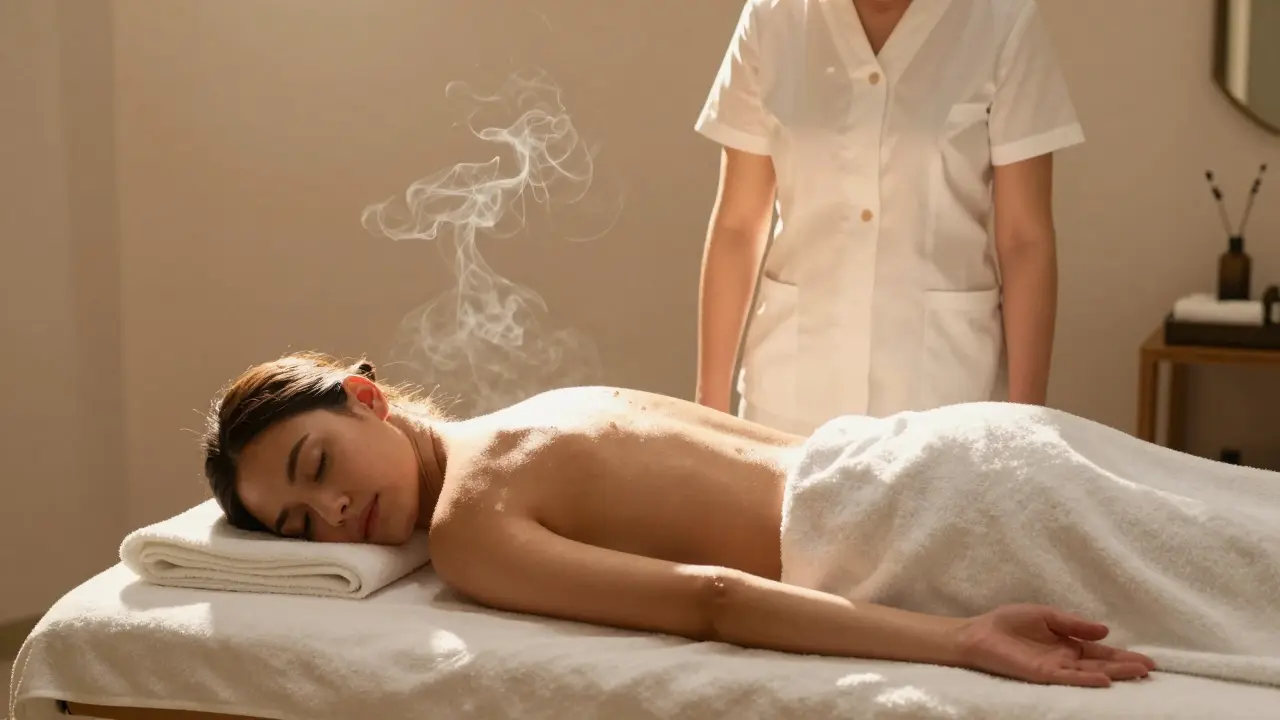
You’ve booked your massage. You’re lying face down, muscles melting under skilled hands, the scent of lavender drifting through the air. Then it happens-you feel a sudden urge to reach out, to touch their arm, to say thank you with more than words. Is it okay to touch your massage therapist? In Dubai, where cultural norms and professional boundaries blend in unique ways, the answer isn’t as simple as yes or no.
Short Answer: No-Unless They Initiate It
Touching your massage therapist is not appropriate. Not during the session. Not after. Not even if you’re feeling emotional, grateful, or just really relaxed. Massage therapists in Dubai are licensed professionals trained to provide therapeutic care, not emotional support or physical intimacy. Their job is to help you heal, not to become part of your personal story. If you reach out, they’ll likely pull back-politely, professionally, but firmly.
Why This Boundary Exists
Think of a massage like a medical appointment. You wouldn’t hug your dentist after a filling, or pat your doctor’s shoulder after a checkup. Massage therapy is no different. It’s a clinical service with strict ethical codes. In Dubai, where many therapists come from countries with strong professional standards (like the Philippines, India, or Eastern Europe), these boundaries are non-negotiable.
Therapists are trained to avoid any situation that could be misinterpreted. Even a friendly pat on the back can trigger complaints, investigations, or license revocations. One therapist in Jumeirah told me she lost a job after a client tried to hold her hand at the end of a session. She didn’t say no-she just moved away. But the client filed a report. The spa had no choice but to let her go.
It’s not about being cold. It’s about safety-for both you and them.
What You Should Do Instead
Gratitude matters. But it doesn’t need to be physical. Here’s what works:
- Speak up: Say, “That was exactly what I needed.”
- Leave a review: A five-star Google or TripAdvisor review means more than you think.
- Tip: A 10-15% tip is standard in Dubai spas. It’s appreciated, not expected.
- Ask for the therapist by name next time: Building rapport through repeat visits is perfectly fine.
These actions show respect without crossing lines. And they’re far more meaningful than a hand on the shoulder.
What Counts as Inappropriate Touch?
Let’s be clear. Inappropriate doesn’t just mean sexual-it includes any non-professional physical contact:
- Reaching for their hand, arm, or hair
- Trying to hug them before or after
- Asking them to hold you while you cry
- Touching them while they’re adjusting the table or towels
- Commenting on their body, clothing, or appearance
Even if you think it’s harmless, it’s not. In Dubai, where conservative values mix with international tourism, these lines are drawn in stone. A therapist might smile and say nothing-but they’re already thinking about how to avoid you next time.
What About Cultural Differences?
You might come from a culture where touch is a sign of warmth. In some countries, a pat on the back or a hand on the shoulder is normal. But Dubai operates under strict professional standards, especially in wellness services. The UAE has zero tolerance for boundary violations in licensed businesses.
Spas here follow international codes from the International Massage Association and local health authority guidelines (like Dubai Health Authority). These rules are enforced. Violations can lead to fines, license suspension, or deportation for foreign therapists.
Just because someone smiles doesn’t mean they’re open to it. A smile in Dubai is often polite, not inviting.
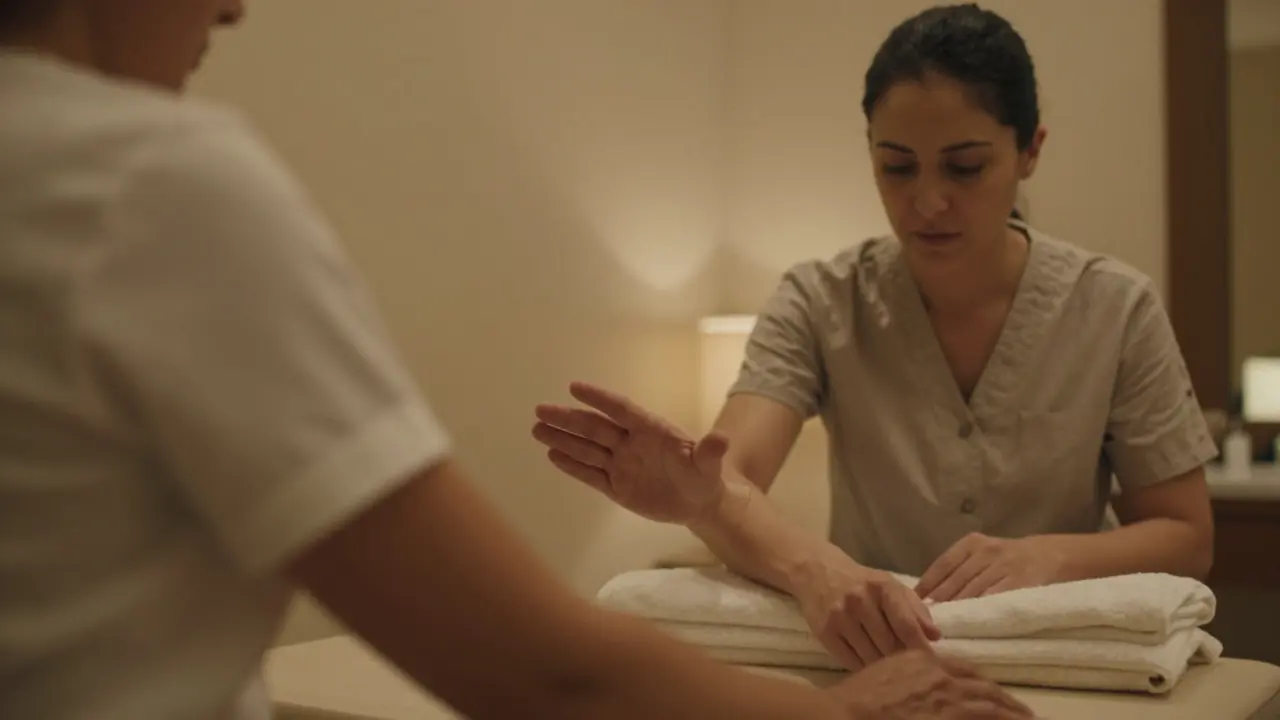
Types of Massage Services in Dubai
Dubai offers everything from traditional Swedish to deep tissue, hot stone, and Thai massage. Most high-end spas in Downtown, Jumeirah, and Palm Jumeirah use certified therapists who’ve completed 500+ hours of training. Many are trained in Europe or Australia and follow strict protocols.
There are also traditional Arabic hammam experiences, where you might be scrubbed by an attendant. But even there, touch is strictly functional-no conversation, no eye contact, no lingering.
Private in-room massages? Common. But therapists still wear uniforms, keep the door slightly open, and avoid any personal interaction beyond professional needs.
How to Find a Reputable Massage Therapist in Dubai
Don’t book through random Airbnb experiences or unlicensed “mobile therapists.” Stick to:
- Five-star hotel spas (Burj Al Arab, Armani, Ritz-Carlton)
- Wellness centers with DHA licensing (check their website for certification)
- Spas with transparent therapist profiles (name, qualifications, languages spoken)
Look for reviews that mention “professional,” “respectful,” or “clear boundaries.” Avoid ones that say things like “felt so close to my therapist” or “they hugged me”-those are red flags.
What to Expect During a Session
When you arrive:
- You’ll be asked to fill out a health form
- Therapists will leave the room while you undress and cover yourself with a towel
- They’ll knock before entering
- They’ll ask if you want pressure adjusted-never assume
- They’ll use draping techniques to keep you covered at all times
- They won’t make eye contact unless you speak first
- They’ll exit quietly after the session
The whole experience is designed to be safe, private, and detached. That’s not cold-it’s professional.
Pricing and Booking
Prices vary by location and expertise:
- Hotel spa (60 min): AED 350-650
- High-end wellness center: AED 500-900
- In-room private massage: AED 450-800
- Group sessions (2-4 people): AED 250 per person
Booking is easy: Most places let you reserve online through their website or app. You’ll get a confirmation with your therapist’s name and qualifications. If they don’t list that-walk away.
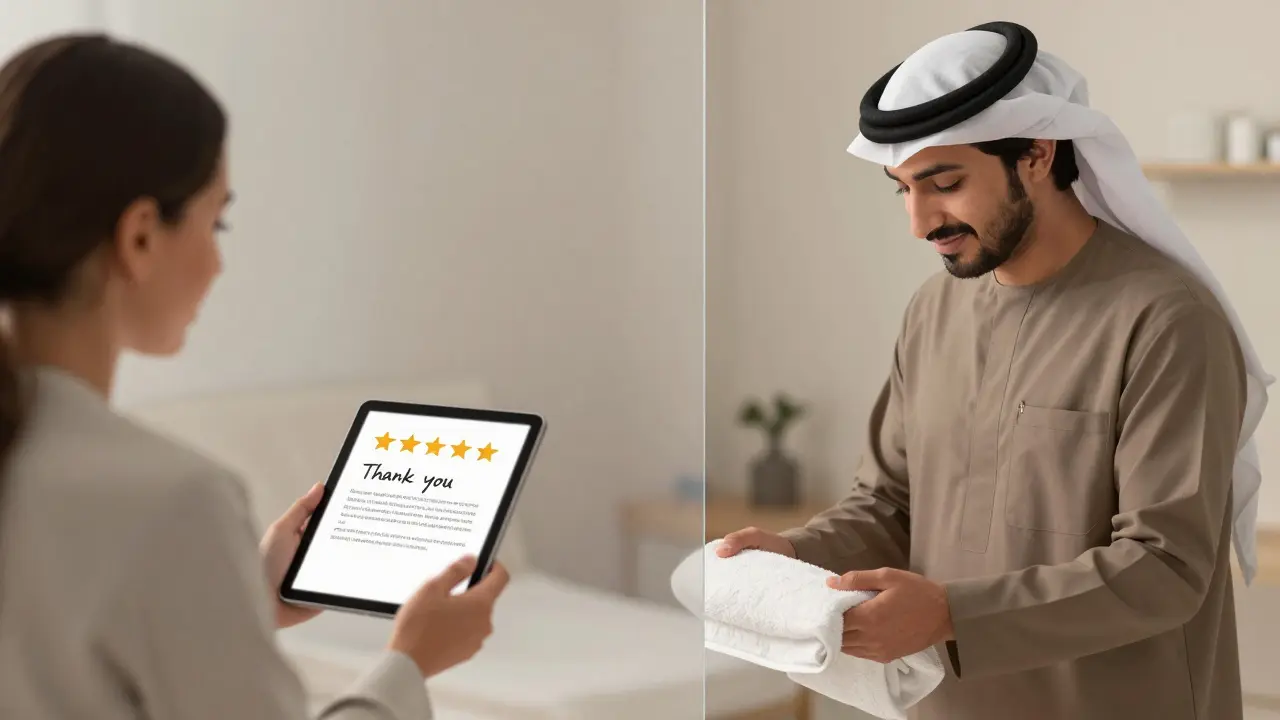
Safety Tips for Massage in Dubai
- Always book through licensed venues-no street vendors or unregistered apartments
- Never be alone with a therapist in a closed room without a second person nearby
- Speak up if you feel uncomfortable-even if it’s just “Can you adjust the music?”
- Don’t share personal stories unless you’re sure it’s welcome
- If someone crosses a line, report it immediately to the spa manager or DHA hotline
Remember: Your comfort is their priority. If you feel uneasy, you’re not being overdramatic-you’re being smart.
Massage Therapy vs. Other Touch-Based Services in Dubai
| Service | Touch Allowed? | Professional Boundaries | Therapist Training |
|---|---|---|---|
| Massage Therapy | Only therapeutic, clothed areas | Strict-no personal contact | 500+ hours, DHA certified |
| Hammam Attendant | Functional scrubbing only | Minimal interaction, no eye contact | On-the-job training |
| Reflexology | Feet only | Highly structured, no conversation | 200-300 hours certification |
| Reiki or Energy Healing | No physical touch | Hands hover above body | Varies-often unregulated |
| Adult Services (Illegal) | Sexual contact | None-criminal offense | None |
Notice the pattern? The more regulated the service, the clearer the boundaries. Massage therapy sits at the top of the professionalism ladder. Anything else? Not worth the risk.
Frequently Asked Questions
Can I thank my massage therapist with a hug?
No. Even if you feel emotional, a hug is not appropriate. A verbal thank you, a tip, or a review is the right way to show appreciation. Therapists are trained to avoid physical contact to protect both themselves and their clients. What feels like kindness to you can feel like pressure or discomfort to them.
What if my therapist initiates a handshake or pat?
It’s extremely rare, and even then, it’s usually a quick, formal gesture-like a handshake at the start or end. If it happens, respond politely but don’t initiate further contact. Most therapists avoid even that. If they do, it’s likely because they’re from a culture where touch is more common-but in Dubai, they still follow strict rules. Don’t assume it’s okay to mirror their action.
Is it okay to ask my therapist about their background?
Yes, but keep it professional. You can ask where they trained, what techniques they specialize in, or how long they’ve been practicing. Avoid personal questions like “Where are you from?” or “Are you married?” These are not relevant to your treatment and can make them uncomfortable.
What should I do if someone touches me inappropriately?
Stop the session immediately. Get dressed. Tell the receptionist or manager. If they don’t respond properly, call the Dubai Health Authority hotline at 800 342. You have the right to a safe, respectful experience. Never stay silent-your report helps protect others.
Are male therapists allowed to give massages to female clients in Dubai?
Yes, but only in licensed facilities with strict protocols. Most spas offer same-gender options if requested. Many female clients prefer female therapists, and that’s completely normal. If you’re unsure, just ask when booking: “Do you have female therapists available?” Most will accommodate you without question.
Final Thought
A massage isn’t just about sore muscles-it’s about trust. You’re letting someone touch your body in ways no one else can. That’s powerful. But power comes with responsibility. The best way to honor that trust? Respect their space. Let them do their job. And when you walk out, feeling lighter and calmer, know that the real gift wasn’t the oil or the pressure-it was the professionalism you received.
That’s worth more than a touch. It’s worth coming back for.






December 29, 2025 AT 17:12
There's a profound ethical architecture underlying the therapist-client dynamic-one that transcends cultural boundaries and speaks to the sanctity of bodily autonomy. Touch, even when well-intentioned, disrupts the therapeutic container. It transforms a clinical space into an ambiguous social one, where power imbalances can easily be misread or exploited. The therapist’s neutrality isn’t coldness-it’s integrity. And integrity, in healing professions, is non-negotiable.