
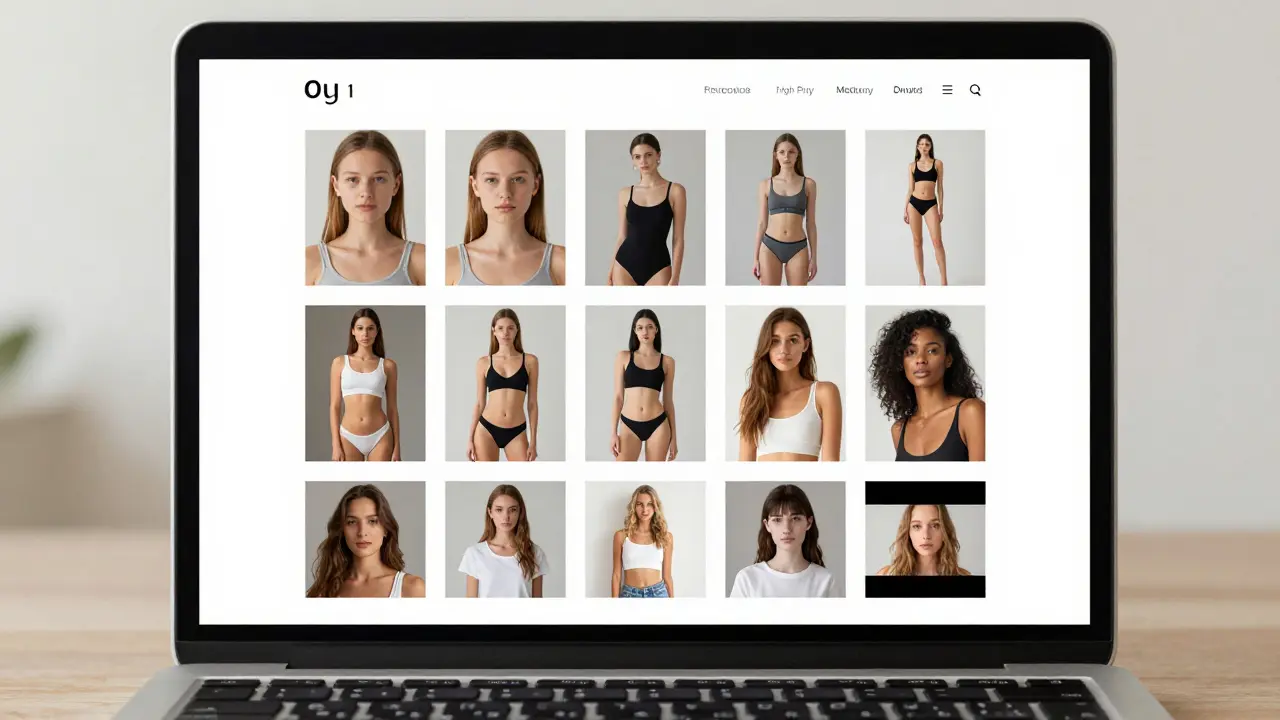
You’ve spent weeks shooting, editing, and perfecting your looks. You’ve got the headshots, the editorial shots, the commercial poses. But now you’re staring at your folder wondering: how many pictures should be in a modeling portfolio? Too few and you look inexperienced. Too many and you overwhelm agencies. The truth? There’s no magic number-but there’s a smart way to get it right.
Direct Answer
For most models, aim for 12-20 high-quality images in your digital portfolio. That’s enough to show range without dragging down attention. Agencies don’t want a photo album-they want proof you can deliver. Less is more, as long as every image earns its place.
Why Your Portfolio Isn’t Just a Photo Album
Think of your portfolio like a first date. You don’t show up with a scrapbook of every outfit you’ve ever worn. You pick the best pieces-ones that show who you are, what you can do, and why someone should want to work with you.
Modeling agencies get hundreds of portfolios every week. They scan them in seconds. If your portfolio has 50 photos, they’ll skip to the middle. If it has 15 sharp, intentional shots? They’ll pause. They’ll click. They’ll consider you.
Your portfolio isn’t about quantity. It’s about clarity. It’s about saying, “This is what I do, and I do it well.”
What Agencies Actually Look For
Let’s be real: agencies aren’t looking for pretty pictures. They’re looking for marketability. They need to see if you fit their client roster. So here’s what they check in under 30 seconds:
- Face variety - Do you have strong headshots? Natural expressions? No filters, no heavy editing.
- Body type range - Can you do fashion? Commercial? Fitness? Swimwear? Show it.
- Consistency - Are your photos lit and styled the same? No mismatched backgrounds or random outfits.
- Professionalism - Are the images high-res? No blurry selfies or phone snapshots.
One agency in Dubai told me they rejected a model last month because her portfolio had 32 photos-but 18 of them were the same pose, just different lighting. That’s not diversity. That’s redundancy.
Breakdown: What Should Be in Your Portfolio
Here’s the breakdown most top agencies expect:
- 3-5 headshots - One natural, one professional studio, one with expression (smile, serious, neutral). No sunglasses. No hats.
- 3-4 full-body shots - Show your height, posture, and proportions. Wear simple clothes-no logos.
- 2-3 look-specific shots - Fashion editorial, swimwear, commercial (e.g., holding a product), fitness. Only include these if you’ve actually done them.
- 1-2 lifestyle shots - Casual, real-life moments. Shows you’re relatable outside the shoot.
- 1-2 video clips (optional) - A 10-second walk or turn. Many agencies now want to see how you move.
That’s 12-18 images total. Clean. Focused. No fluff.
What NOT to Include
Here’s what kills your credibility before they even open your link:
- Childhood photos - No one cares about your 8-year-old self.
- Random selfies - Even if you look good. Selfies scream amateur.
- Photos with other models - Unless you’re a duo or part of a campaign. Otherwise, it’s distracting.
- Too many similar shots - Five versions of the same pose? Delete four.
- Low-res or watermarked images - If it’s not print-quality, it doesn’t belong.
- Overly edited faces - Airbrushing? Fine. Removing your nose? Red flag.
I’ve seen portfolios where models included photos from a high school drama play. Or a beach trip with friends. Or a TikTok filter. Don’t be that person.
How to Organize Your Portfolio
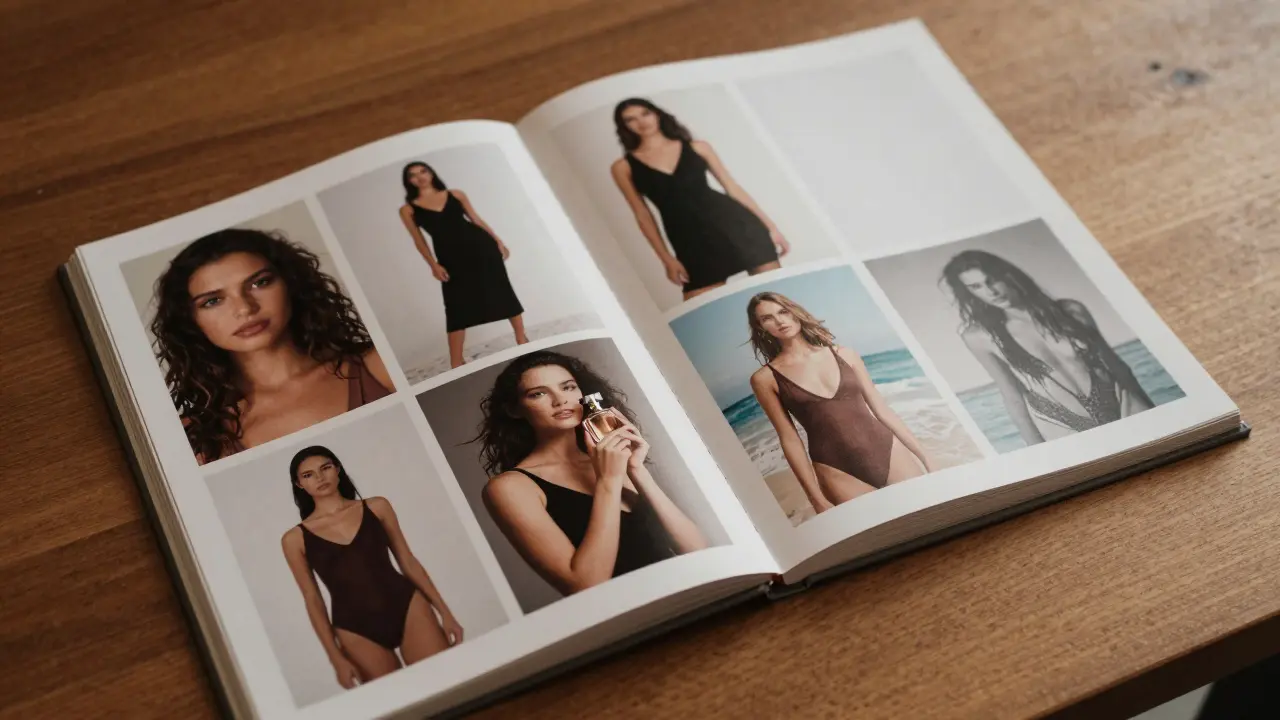
Order matters. First impressions stick. Here’s the sequence top agencies prefer:
- Headshot (natural, clean)
- Full-body fashion shot
- Commercial shot (e.g., holding a water bottle, smiling)
- Swimwear or lingerie (if applicable)
- Editorial or high-fashion shot
- Lifestyle or casual
- Video clip (if included)
End on a strong note. Don’t bury your best shot at the bottom.
Digital vs. Print Portfolios
Most agencies now want a digital link-like a simple website or Behance profile. But here’s the catch: your digital portfolio must load fast. No heavy animations. No 10MB files.
Use a clean platform like Behance, ModelMayhem, or a simple WordPress site. Name your site professionally: YourNameModel.com or YourNamePortfolio.com. No nicknames. No numbers.
Print portfolios? Only bring one if you’re going to an in-person casting. And keep it to 10-12 prints max. Too many and you look disorganized.
How Often Should You Update It?
Update your portfolio every 3-6 months. Why? Because you’re growing. Your look changes. Your experience grows.
Take out old shots. Add new ones. If you’ve done a runway show, a magazine feature, or a campaign-add it. If you’ve lost weight, gained muscle, changed your hair-update your photos.
Outdated portfolios are the #1 reason models get ignored. Agencies don’t want the version of you from six months ago. They want the version of you today.
Portfolio vs. Comp Card: What’s the Difference?
Don’t confuse your portfolio with your comp card. They serve different purposes.
- Portfolio - Your full showcase. 12-20 images. Used for agency review and client shortlisting.
- Comp card - A single card (front and back). 1 headshot, 1 full-body, your stats (height, measurements, contact). Used at castings to hand out.
You need both. But your portfolio is your main weapon. Your comp card is your business card.

Real Example: A Dubai Model’s Winning Portfolio
Meet Amina. She’s 5’10”, size 2, based in Dubai. She’s worked with local brands like L’Occitane and Dubai Duty Free.
Her portfolio has 16 images:
- 4 headshots (natural, studio, smiling, serious)
- 3 full-body fashion (black dress, white linen, tailored suit)
- 2 swimwear (beach, poolside)
- 2 commercial (holding perfume bottle, smiling at camera)
- 1 editorial (high-fashion, monochrome)
- 2 lifestyle (walking in Dubai Marina, coffee shop)
- 2 video clips (walk, turn)
No selfies. No filters. No clutter. She got signed by two agencies in two weeks.
Common Mistakes (And How to Fix Them)
- Mistake: “I have 40 photos because I want to show everything.” Fix: Cut it down. Keep only the strongest 15.
- Mistake: “My photos are all different styles-I’m versatile.” Fix: Versatility doesn’t mean chaos. Group similar looks. Show focus.
- Mistake: “I used a friend’s phone to take them.” Fix: Hire a pro. Even one good shoot makes a difference.
- Mistake: “I don’t need a website-I’ll just send PDFs.” Fix: A clean, easy-to-navigate link looks professional. PDFs look outdated.
FAQ: Your Questions About Modeling Portfolios Answered
Do I need a portfolio if I’m just starting out?
Yes. Even beginners need a portfolio. Agencies don’t expect perfection-they expect potential. A clean, simple portfolio with 10 solid photos shows you’re serious. A blank portfolio says you’re not ready.
Can I use photos from a modeling contest?
Only if they’re high-quality and show you clearly. Avoid photos with logos, banners, or other contestants. If the photo looks like a group shot from a competition, skip it. Agencies want you, not the event.
Should I include nude or semi-nude photos?
Never. Not even for “artistic” purposes. Reputable agencies won’t work with you if your portfolio includes nudity. Save that for later, if ever-and only with a trusted photographer and legal guidance. Your main portfolio should be clean, professional, and safe.
How do I know if my photos are good enough?
Ask a pro. Not your friend. Not your cousin. A professional photographer or a model coach. If you’re unsure, get a second opinion. Also, check what top agencies in Dubai post on their websites. Compare your photos to theirs. If yours look amateurish next to them, it’s time to reshoot.
Is it okay to have a portfolio on Instagram?
Instagram is great for visibility, but not a replacement for a portfolio. Agencies want a clean, organized space with no distractions-no stories, no comments, no follower counts. Use Instagram to drive traffic to your real portfolio, not as your main one.
Final Tip: Quality Over Quantity Every Time
There’s no such thing as “too few” photos-if they’re the right ones. One powerful image can open more doors than ten mediocre ones. Focus on impact. Focus on clarity. Focus on being memorable.
Remember: You’re not trying to impress everyone. You’re trying to impress the right people. And they’re looking for one thing: a model who knows how to sell a look. Your portfolio? That’s your sales pitch. Make it sharp. Make it simple. Make it count.







December 3, 2025 AT 03:44
Okay but can we talk about how some people think a selfie with a filter and a coffee cup counts as a 'lifestyle shot'? NO. Just no. I saw a portfolio last week with 27 photos and 19 of them were the same girl squinting in natural light like she was trying to summon a spirit. Stop. Just stop. Agencies are not impressed. They’re confused. And honestly? Kinda sad for you.